
By Godwin Ajom
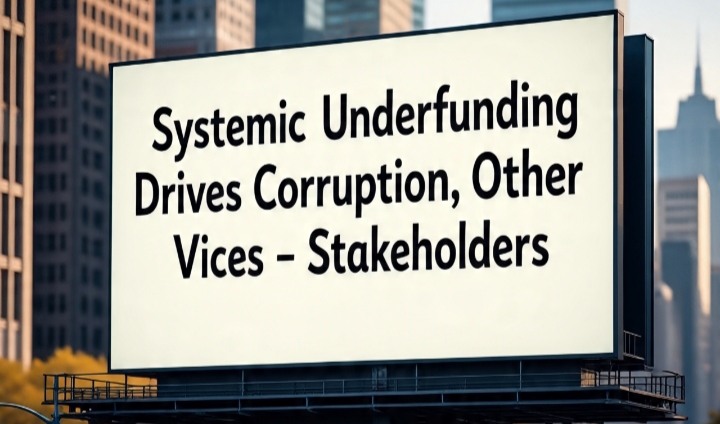
Systemic underfunding has been identified to crippling police operations and drive Nigeria Police officers into corruption, extortion, and compromises in criminal cases and undermining justice delivery.
Stakeholders during a human rights workshop in Calabar, demanded urgent reforms in the Force, citing poor welfare, inadequate funding, and weak community relations as major reasons behind the rising wave of insecurity in the country.
The workshop, themed “Building Bridges: Enhancing Trust and Promoting Human Rights,” organized by We The People and funded by the European Union (EU), featured brainstorming sessions with police officers, lawyers, the media and other stakeholders aimed at restoring public confidence in law enforcement.
Speaking to Journalists at the event, Human Rights Lawyer, Barr. James Ibor, who is the Secretary of the Administration of Criminal Justice Monitoring Committee in Cross River State and co-founder of the Basic Rights Council Initiative, described Nigeria Police as one of the most underfunded and underpaid in the world.
He argued that the government’s neglect of Police welfare has left officers ill-motivated and ill-equipped to perform their constitutional duties: “The police are not positioned to police Nigerians properly. The budget for the police is inadequate, and when little is made, less than 40 percent is released. How do we expect them to perform?” Ibor quarried.


He lamented that police officers often buy their uniforms, fund operations from their pockets, and retire into poverty after decades of service; “A Chief Superintendent of Police who retires after 35 years of service gets ₦30 million gratuity and a pension of ₦50,000 monthly. This is someone trained to carry arms. How do you expect such an officer to be motivated to risk his life?” He added.
The Assistant Commissioner of Police (Operations), ACP Adewale Joshua, who represented the Commissioner of Police in the state, CP Rashid Afegbua, said the forum was timely, stressing that effective policing required the support and cooperation of young people.
“The youth are the real owners of their communities. They know the terrain better than any policeman. If the youth and the police cooperate, we can effectively combat crime and ensure peace,” he said.
He acknowledged public concerns over profiling and harassment, and urged officers to view the communities they serve as their second homes, even after retirement.
Participants warned that insecurity would persist unless Nigeria embarks on a systemic overhaul of its policing structure. They called for increased budgetary allocations, proper training, adequate equipment, and improved welfare to reposition the force.
The need for transparency, accountability, and human rights–based approaches in policing, were emphasized, stressing that rebuilding trust between officers and the public is critical to national security.
Since You Are Here, Support Good JournalismCrossRiverWatch was founded on the ideals of deploying tech tools to report in an ethical manner, news, views and analysis with a narrative that ensures transparency in governance, a good society and an accountable democracy. Everyone appreciates good journalism but it costs a lot of money. Nonetheless, it cannot be sacrificed on the altar of news commercialization. Consider making a modest contribution to support CrossRiverWatch's journalism of credibility and integrity in order to ensure that all have continuous free access to our noble endeavor. CLICK HERE |
New Feature: Don't miss any of our news again.Get all our articles in your facebook chat box.Click the Facebook Messenger Icon below to subscribe now
Text Advert by CRWatch :Place Yours


Will You To Learn How To Make Millions Of Naira Making Special Creams From Your Kitchen?.Click Here
Expose Your Business And Make More Sales. Advertise On CrossRiverWatch.com Today