
By Kelvin Ololo
With Nigeria’s female representation in parliament still among the lowest in Africa, the Gender and Development Action (GADA) has intensified its advocacy for the Special Seats Bill, urging the media to ramp up coverage and help shape public understanding of the proposed reform.
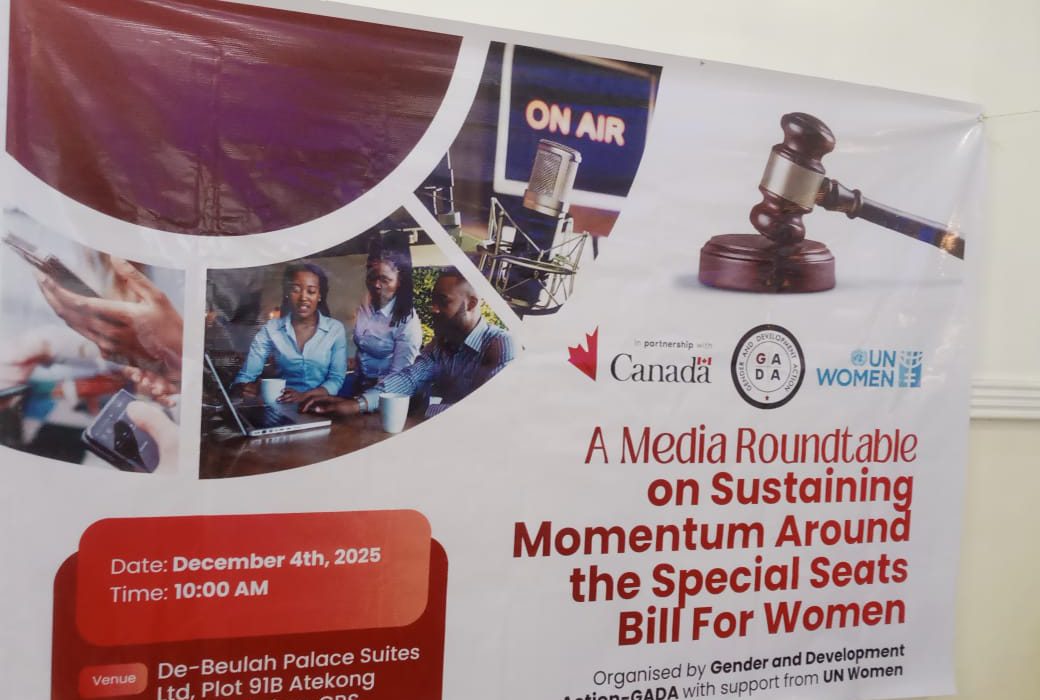
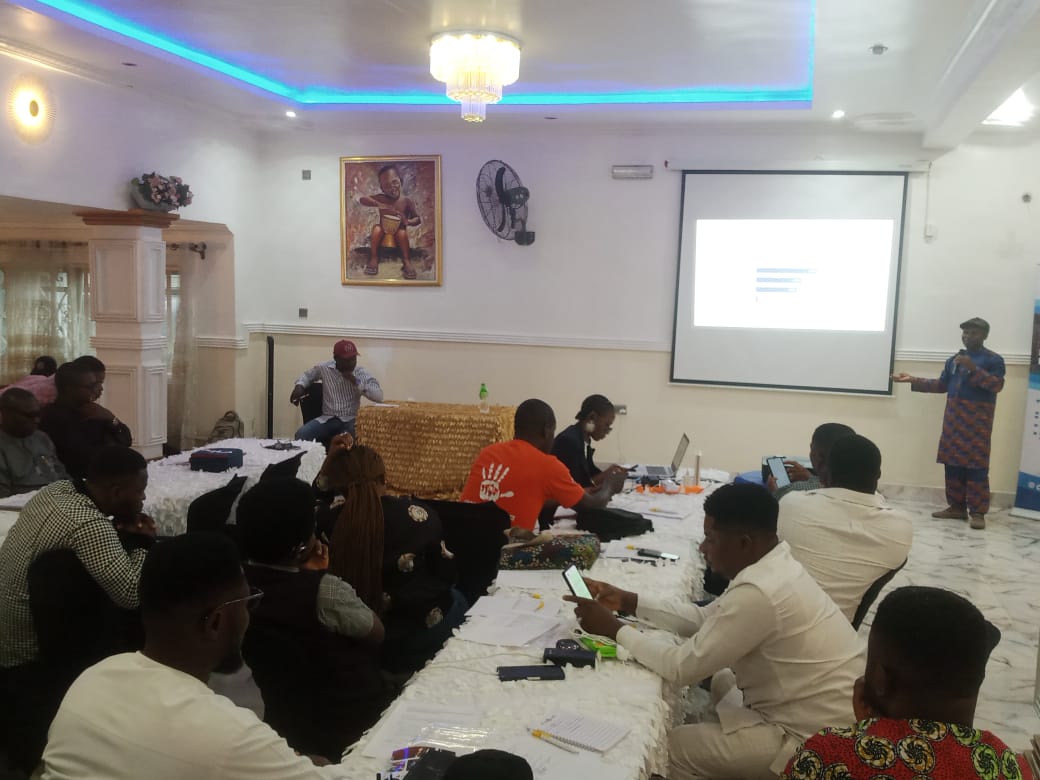
The call was made at a media roundtable themed “Strengthening Media Engagement and Advocacy Ahead of the National Assembly Vote,” held in Calabar, Cross River State, on Thursday, December 4, 2025. GADA warned that without sustained reportage, momentum behind the bill could fade, weakening efforts to secure guaranteed legislative seats for women at both federal and state levels.
Supported by UN Women and in partnership with the Government of Canada, the organization noted that journalists remain central to building nationwide support and applying pressure on policymakers ahead of the National Assembly vote scheduled for Tuesday, December 9, and Thursday, December 10, 2025.
Providing an overview of the Special Seats Bill, GADA spokesperson Nnenna Ugbor told media professionals that “the Special Seats Bill is a critical response to decades of gender underrepresentation and Women occupy less than 5 percent of seats in Nigeria’s National Assembly despite making up nearly half of the population.


“Closing this gap requires not only legislative action but also strategic media framing that educates citizens and amplifies the urgency of reform.”
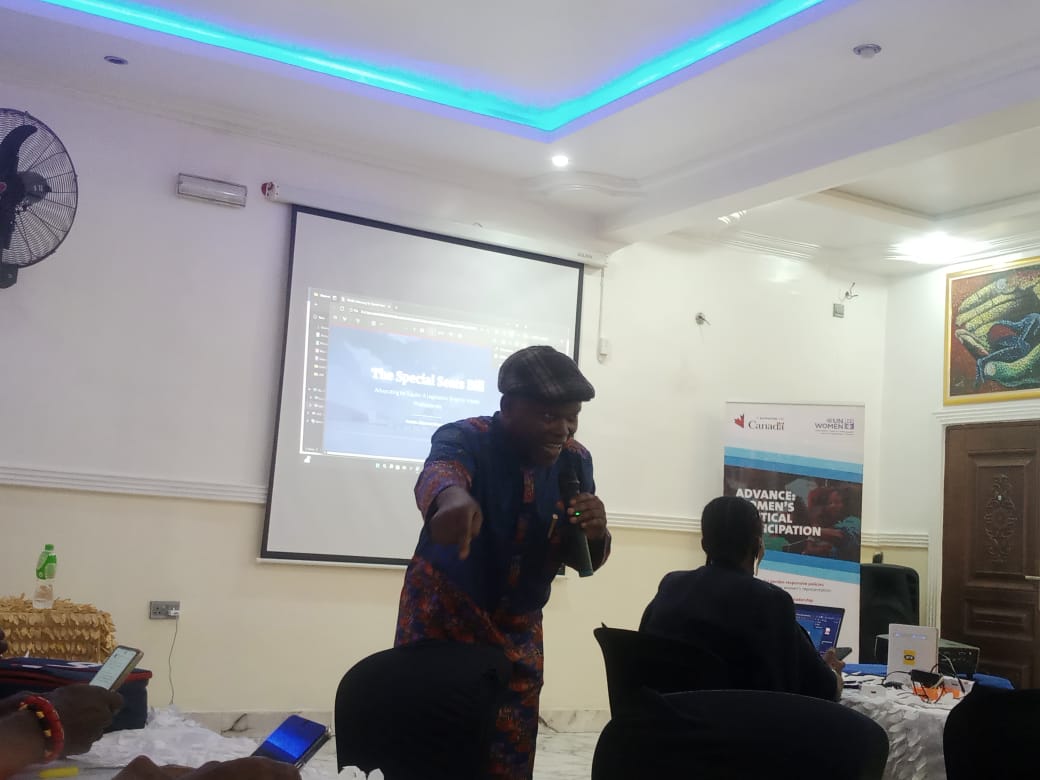
During a plenary discussion, Dr. MacFarlane Ejah emphasized that media professionals must move beyond event-based reporting and adopt issue-driven coverage that follows the bill’s trajectory from committee rooms to the chamber floor.
In his remarks, Ejah noted that “If the bill is passed, the bill would add 37 new female senators, 37 female representatives, and 108 female state legislators, producing a total of 182 additional women lawmakers every election cycle.”
The meeting also provided space for journalists to discuss challenges in reporting gender-focused legislation from limited access to lawmakers to the low prioritization of women’s political representation in many newsrooms.
Beyond legislative analysis, the roundtable highlighted new story angles, including the economic and governance benefits of women’s representation, data-driven reporting, voices of grassroots women demanding political inclusion, comparative studies with other African countries, Tracking lawmakers’ voting behaviour on gender bills, investigative approaches and human-interest stories demonstrating how representation impacts communities.
Since You Are Here, Support Good JournalismCrossRiverWatch was founded on the ideals of deploying tech tools to report in an ethical manner, news, views and analysis with a narrative that ensures transparency in governance, a good society and an accountable democracy. Everyone appreciates good journalism but it costs a lot of money. Nonetheless, it cannot be sacrificed on the altar of news commercialization. Consider making a modest contribution to support CrossRiverWatch's journalism of credibility and integrity in order to ensure that all have continuous free access to our noble endeavor. CLICK HERE |
New Feature: Don't miss any of our news again.Get all our articles in your facebook chat box.Click the Facebook Messenger Icon below to subscribe now
Text Advert by CRWatch :Place Yours


Will You To Learn How To Make Millions Of Naira Making Special Creams From Your Kitchen?.Click Here
Expose Your Business And Make More Sales. Advertise On CrossRiverWatch.com Today