
By Kelvin Ololo
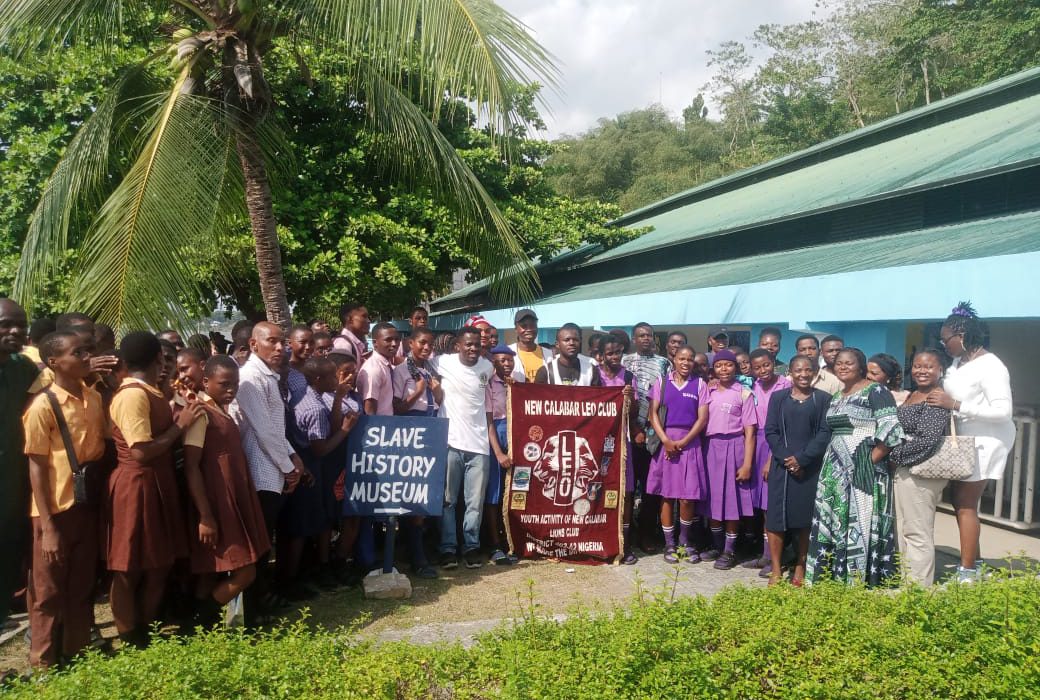
To mark this year’s International Day of Remembrance of Victims of Slavery and the Transatlantic Slave Trade, the New Calabar LEO Club engaged not less than 60 students in an educational visit to the Calabar Slave History Museum, offering a powerful encounter with one of Africa’s darkest chapters.
The visit, which involved six selected secondary schools across Calabar metropolis, exposed students to the brutal realities of slavery, highlighting the dehumanization, exploitation, and greed that fueled the transatlantic slave trade.
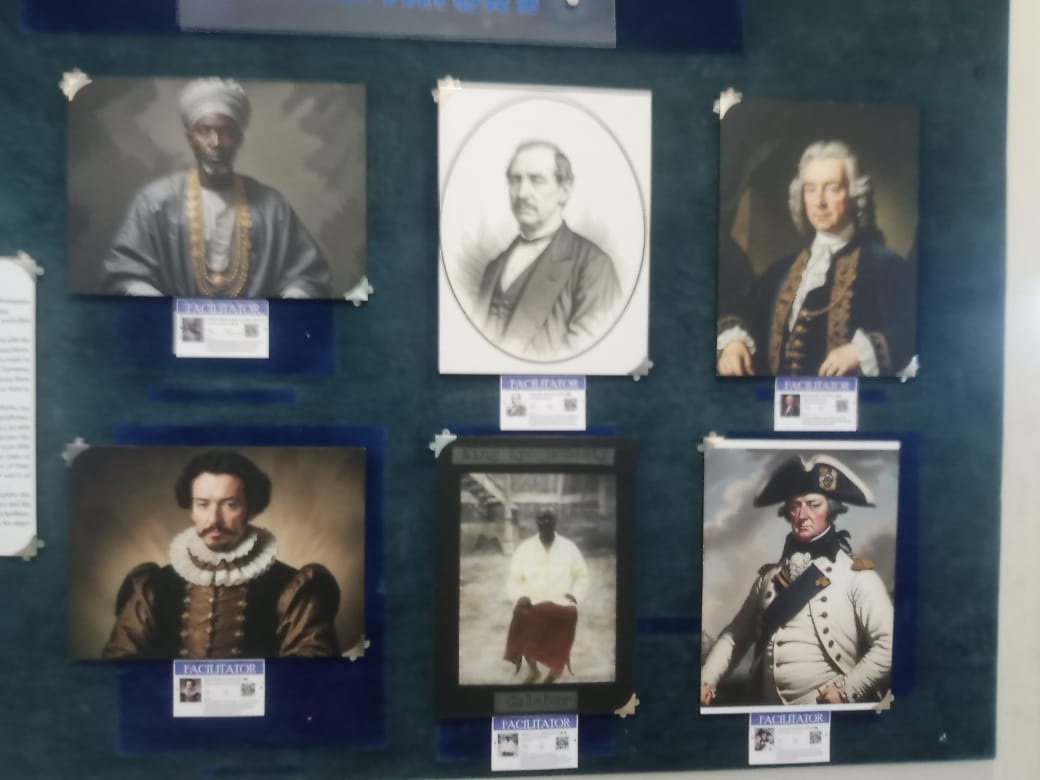
Through a carefully guided historical journey, the students traced the process from the capture and procurement of enslaved Africans to their resistance, punishment, and eventual abolition on May 1, 1807.
The expedition was led by the Chief Education Officer of the museum, Mr. Okon Eyo, who delivered vivid explanations using pictures, graphics, and rare artifacts that captured the progression of slavery across different eras. The displays also revealed Africa’s rich cultural and artistic heritage prior to Western contact, challenging long-standing narratives about civilization.
“The West only exploited Africa, they did not civilize us. There was existence of culture and civilization here before they came,” Mr. Eyo stated firmly.
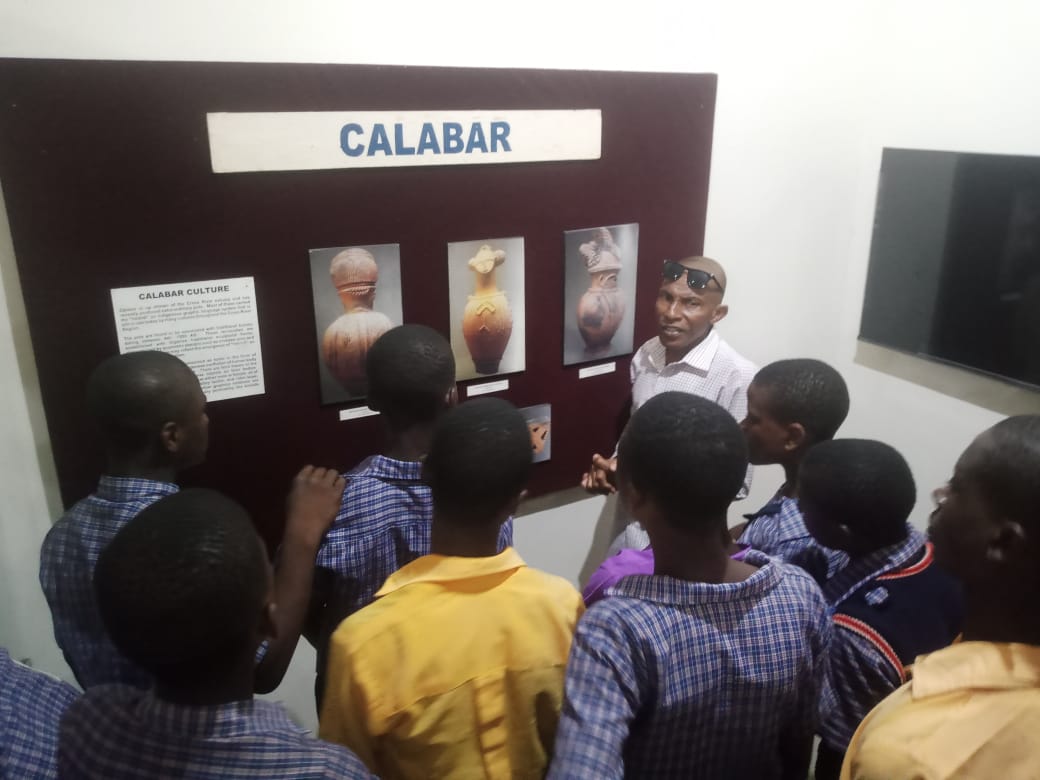
He further explained several historic artifacts, including the Dufuna Canoe, Nok art, Bakor/Ejagham culture, Calabar culture, Igbo-Ukwu, Ife, Owo, Benin culture, Esie, and Lower Niger ancestral figures many of which, he noted, were taken to foreign lands.
Responding, the President of the New Calabar LEO Club, Leo Sir Bright Ebuka, said the initiative was aimed at promoting human dignity and social justice. He emphasized that the story of the transatlantic slave trade cannot be told without mentioning Calabar, which served as a major deportation point and final exit route for enslaved Africans.


Leo Sir Bright Ebuka stressed that exposing students to history through visual and physical experiences helps deepen understanding beyond classroom teaching.
“We brought them here to learn by seeing, not just by reading. This experience will stay with them,” he said.
He also appreciated the management of the Calabar Slave History Museum for their collaboration and support in ensuring that young people connect meaningfully with Africa’s history.
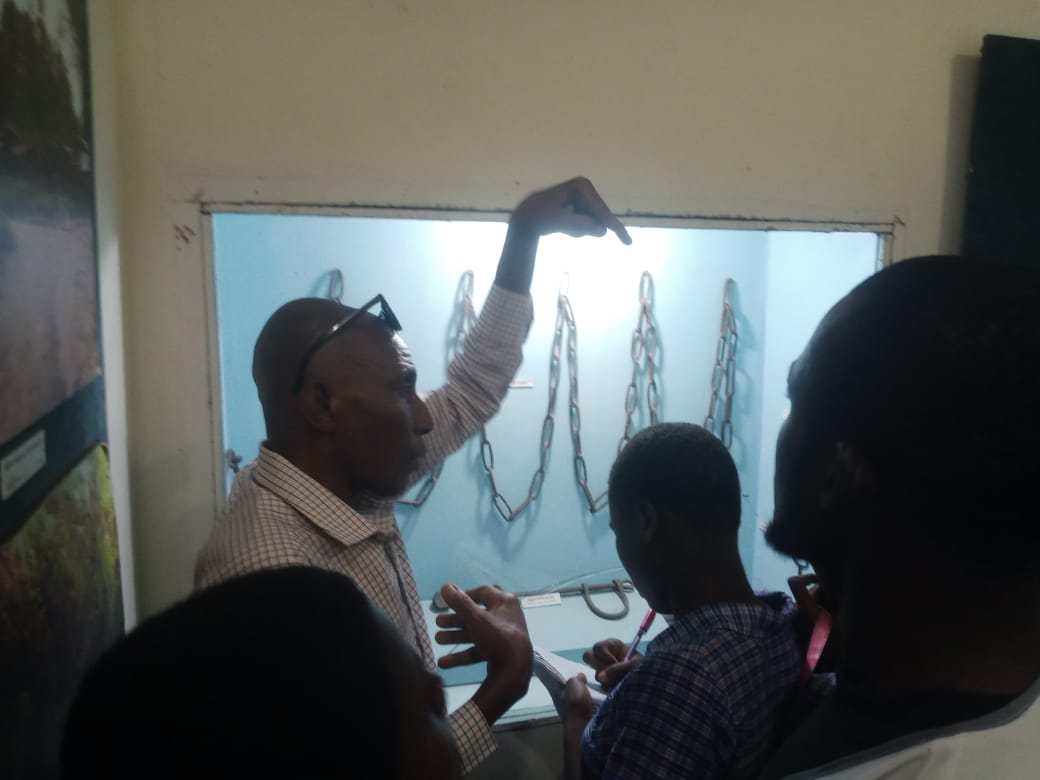
Emotions ran high during the tour, as several students were visibly moved, some breaking down in tears, while confronting the harsh realities of slavery and the suffering endured by their ancestors.
Speaking to CrossRiverWatch, some of the students called on the Cross River State Government to strengthen the teaching of history in schools, stressing that understanding the past is key to preserving cultural identity.
Historically, Calabar played a central role in the transatlantic slave trade between the 15th and 18th centuries, serving as one of the major departure points for enslaved Africans. A significant number of those trafficked came from present-day Nigeria and Cameroon, driven by growing European demand for labor in the Americas during colonial expansion.
The trade operated through a triangular system linking Africa, Europe, and the Americas in a highly profitable network dominated by European merchants. While it contributed to economic growth in Europe, it left devastating consequences on African societies, including population decline, economic disruption, and deep social instability.
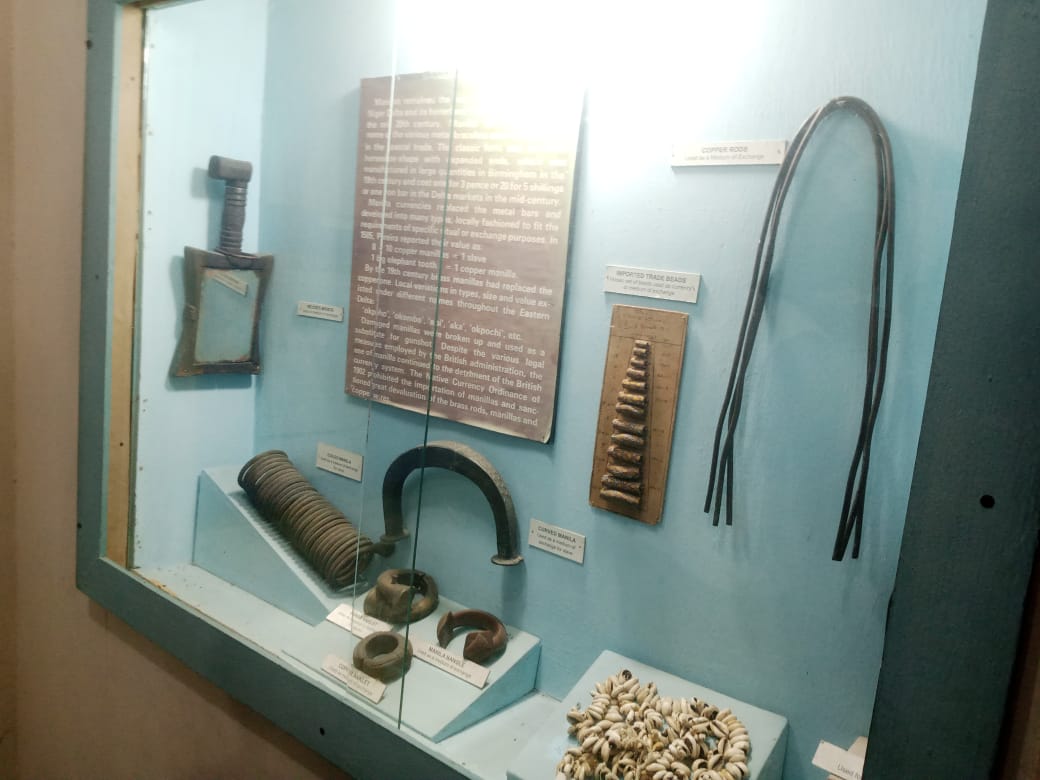
Though the trade eventually declined with industrialization and reduced reliance on slave labor, its legacy continues to shape Africa’s historical and economic realities.
The visit served not just as a lesson in history, but as a solemn reminder of resilience, identity, and the enduring call for justice and human dignity.
Since You Are Here, Support Good JournalismCrossRiverWatch was founded on the ideals of deploying tech tools to report in an ethical manner, news, views and analysis with a narrative that ensures transparency in governance, a good society and an accountable democracy. Everyone appreciates good journalism but it costs a lot of money. Nonetheless, it cannot be sacrificed on the altar of news commercialization. Consider making a modest contribution to support CrossRiverWatch's journalism of credibility and integrity in order to ensure that all have continuous free access to our noble endeavor. CLICK HERE |
New Feature: Don't miss any of our news again.Get all our articles in your facebook chat box.Click the Facebook Messenger Icon below to subscribe now
Text Advert by CRWatch :Place Yours


Will You To Learn How To Make Millions Of Naira Making Special Creams From Your Kitchen?.Click Here
Expose Your Business And Make More Sales. Advertise On CrossRiverWatch.com Today