
By Patrick Obia
The Cross River State Government has disclosed that approximately 1,818 cases of Gender-Based Violence (GBV) have been recorded across the state, raising concerns over the growing prevalence of violence against women and girls.
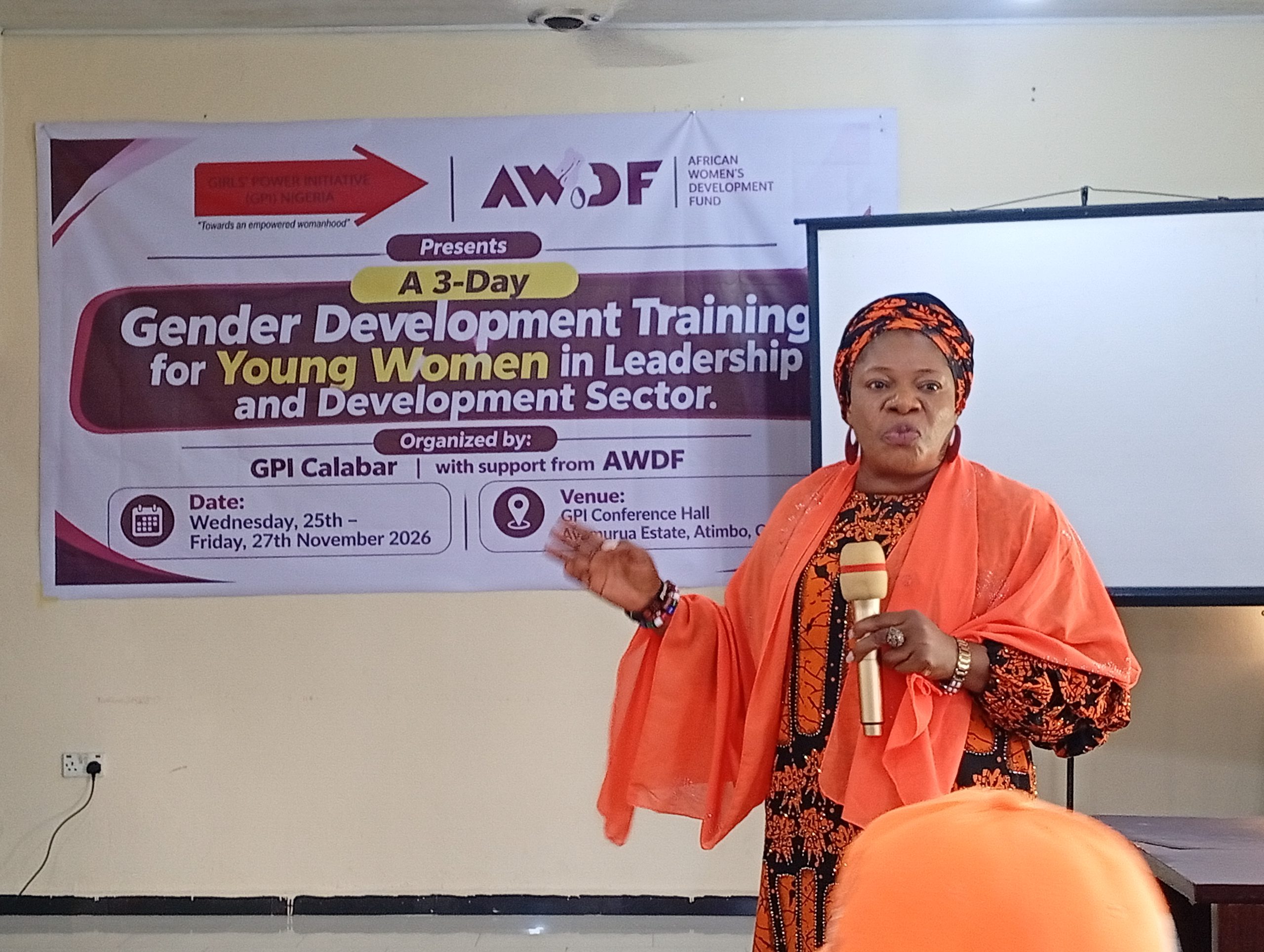
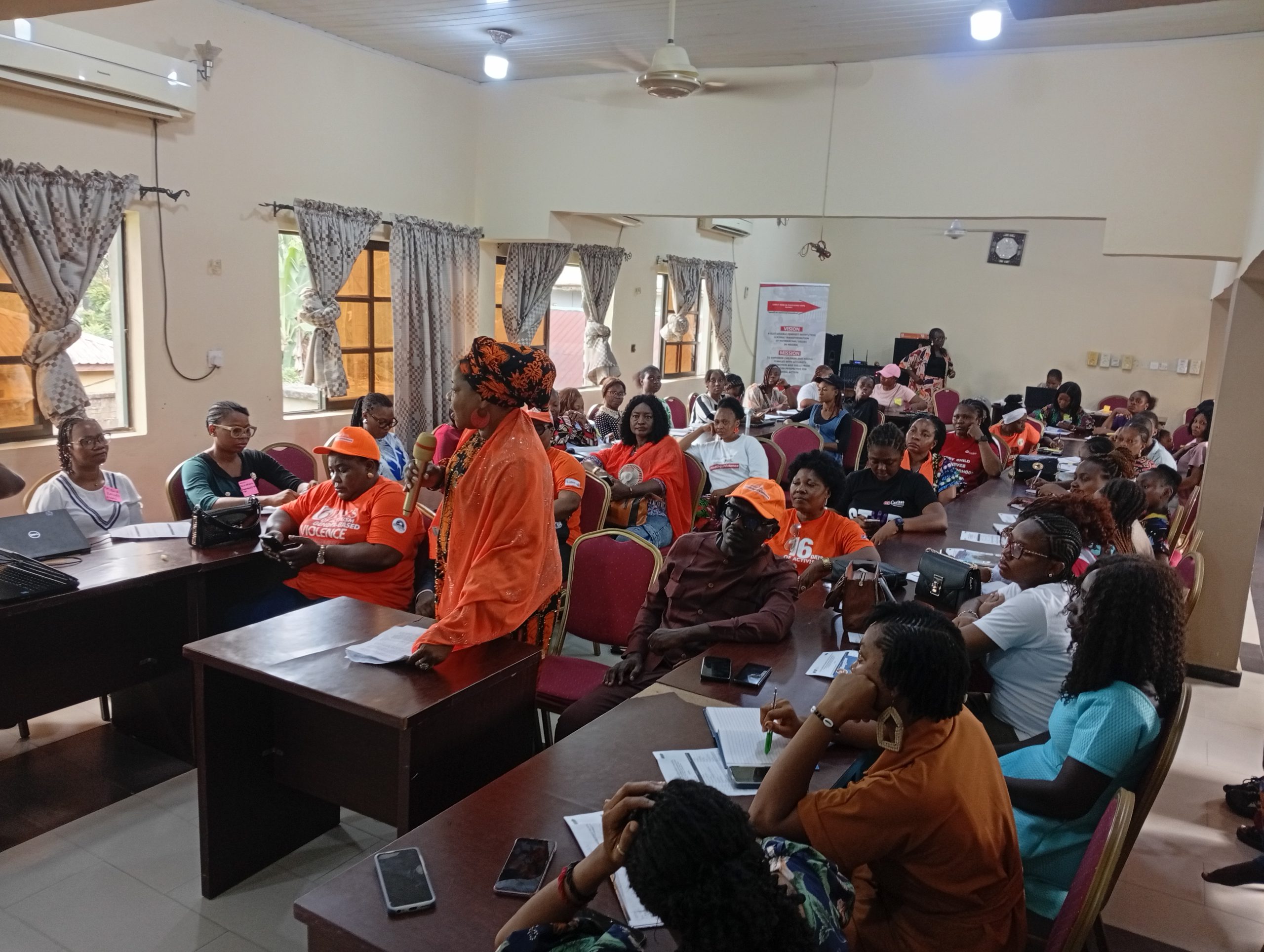
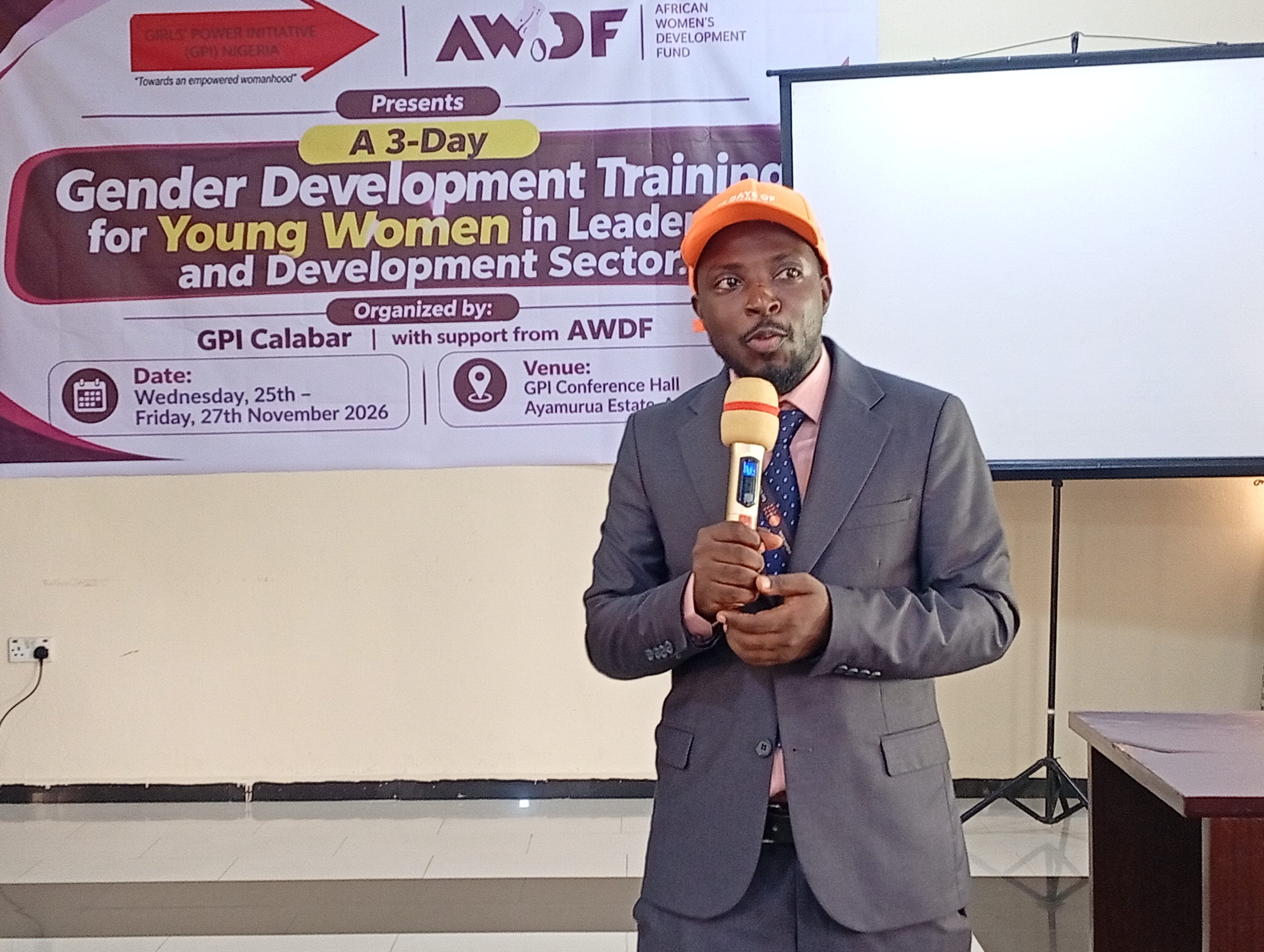
The state government disclosed this through the Honourable Commissioner for Women Affairs, Hon. Edema Irom, during a press briefing to flag off the 2026 16 Days of Activism Against Gender-Based Violence in the state.
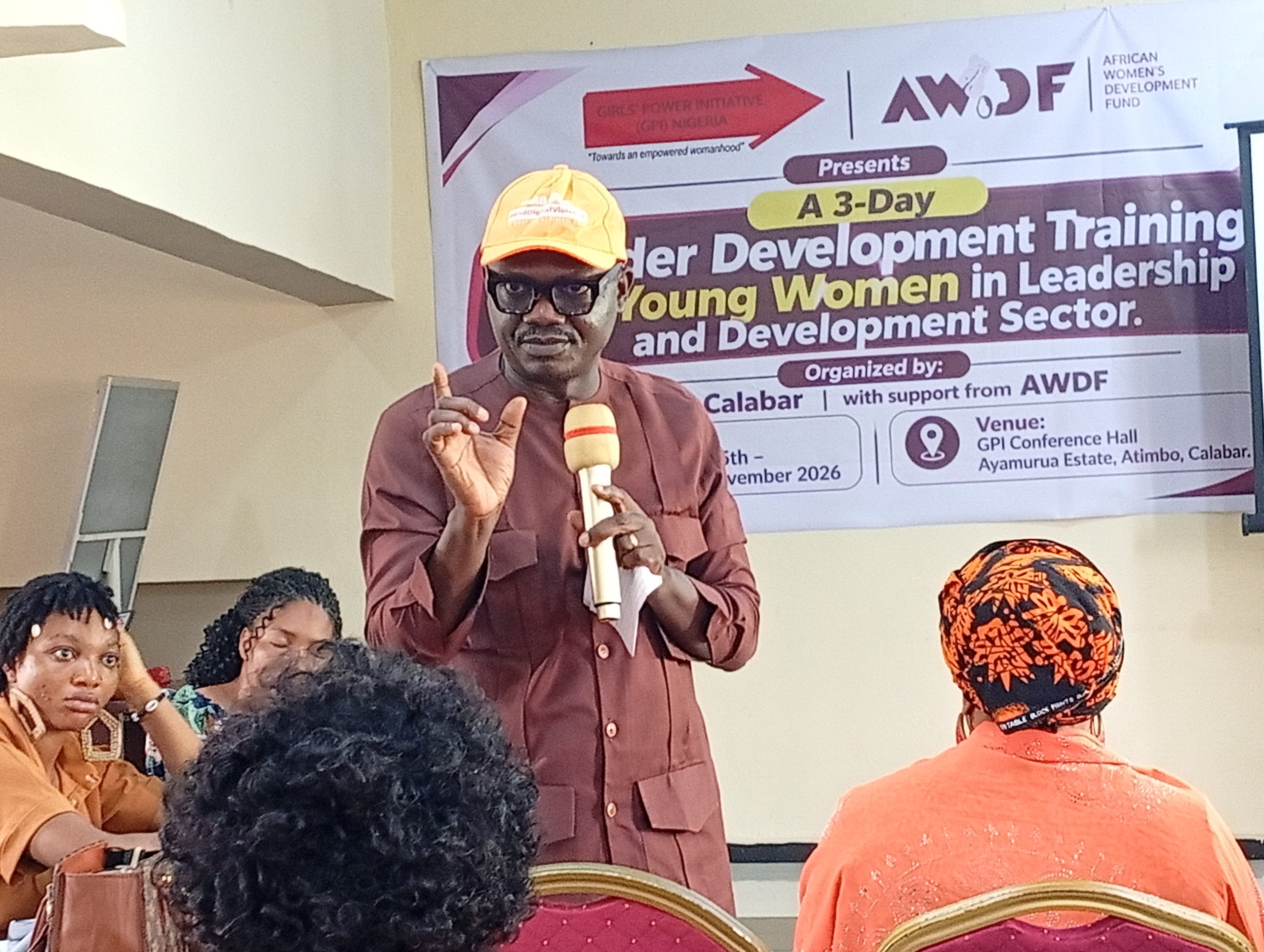
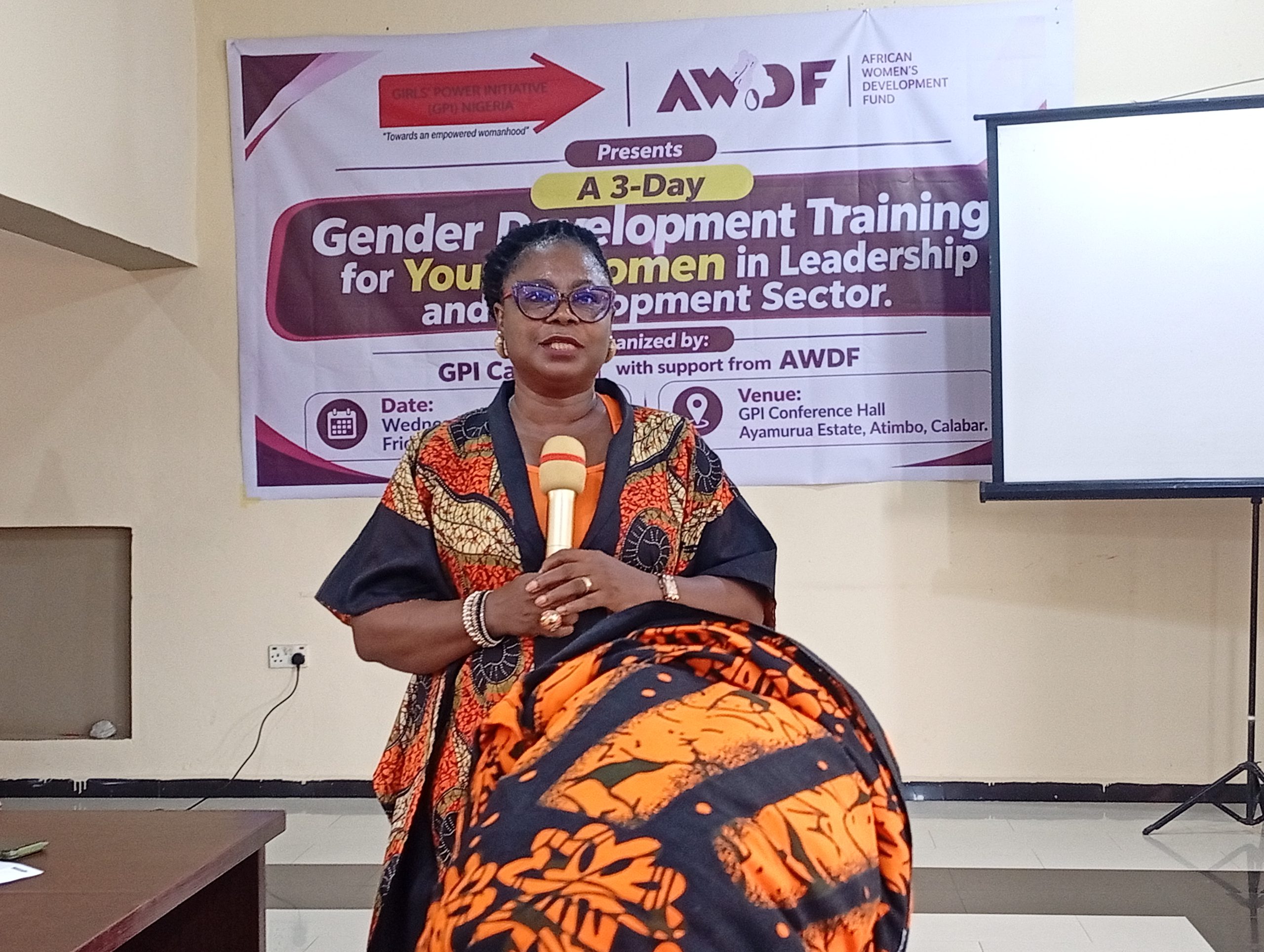
The briefing, which was held at the Girls Power Initiative (GPI) office, Calabar had the theme “Unite to End Violence Against Women and Girls: Ensure Justice, Protect Survivors, End Impunity,” sought to strengthen collective efforts towards ending all forms of violence against women and girls.
The government said reported cases are particularly high in Calabar and Ikom LGAs, partly due to their cosmopolitan nature, population concentration and diverse social interactions.
Honorable Edema, however, warned that the actual number of cases could be higher, as many survivors remain silent because of stigma, fear of retaliation, family pressure, cultural barriers and limited access to support services.
She explained that GBV extends beyond individual survivors, contributing to poverty, school dropout, unwanted pregnancies, sexually transmitted infections, family instability, mental health challenges and reduced productivity.
The Commissioner noted that these consequences perpetuate inequality and undermine efforts towards building a peaceful and prosperous Cross River State.
She assured that the administration of Governor Bassey Otu remains committed to promoting the rights, protection, empowerment and welfare of women and girls in the state, disclosing that the Ministry of Women Affairs had continued to implement interventions aimed at preventing violence, strengthening community awareness and supporting survivors in collaboration with development partners and other stakeholders.
Among the interventions highlighted were community dialogues and engagements in Ogoja to promote sexual and reproductive health rights and encourage community-driven solutions to GBV.
She stated that the Ministry has also sustained radio campaigns and public enlightenment through local radio stations to educate residents on different forms of GBV, prevention strategies and available support services.
Other interventions noted include the Orange Band Advocacy initiative during the Calabar International Carnival to mobilize public support against violence, as well as the Nigeria for Women Scale-Up Project, which promotes women’s economic inclusion, financial independence, group participation and livelihood opportunities.
The Commissioner also highlighted the Ministry’s support for the Cross River State Women Lobby Group, which advocates increased representation and participation of women in political and decision-making processes.
She, however, called for stronger collaboration among stakeholders, traditional and religious leaders to speak against harmful cultural and religious practices that encourage violence, charging parents and guardians to protect children and promote respectful relationships, while urging schools and educational institutions to strengthen safeguarding mechanisms.
At the same time, security agencies and the judiciary are tasked in ensuring timely investigation and prosecution of perpetrators, while encouraging the media to sustain responsible reporting and public enlightenment.
She also called on development partners, civil society organizations and community-based organizations to strengthen their collaboration with the Ministry in expanding prevention programs and ensuring survivors have access to justice and survivor-centered services.
Mrs. Irom emphasized that ending gender-based violence requires sustained commitment beyond the 16 days of activism, insisting that communities must be built where violence is neither tolerated nor excused, perpetrators are held accountable, and survivors are protected and empowered.
The United Nations Population Fund (UNFPA) said the exercise which is in partnership with the Ministry of Women Affairs is an intervention geared towards elimination of gender-based violence in all its forms and cross-reversed.
UNFPA representative, Dr. Andrew Kirima in a goodwill message enjoined all to shun all forms of SGBV.
According to the World Health Organization (WHO), every year, from 25 November, the International Day for the Elimination of Violence against Women, to 10 December, Human Rights Day, the 16 Days of Activism against Gender-Based Violence call for global solidarity to end violence against women and girls everywhere.
This year, the UNiTE campaign calls on the world to “Ensure justice, protect survivors, end impunity.” WHo says for adolescent girls, it is particularly urgent and for millions, violence begins early in life, at a time when girls are forming relationships, continuing their education and laying the foundations for their future health and well-being.
“Ensuring justice and protecting survivors therefore means making sure that adolescent girls are not overlooked in efforts to prevent and respond to violence against women,” WHO said.
In 2026, WHO is highlighting new estimates of intimate partner violence and non-partner sexual violence against adolescent girls aged 15–19 years. The findings show that almost 1 in 3 girls aged 15–19 years, around 43 million girls worldwide, have experienced physical and/or sexual violence from an intimate partner, sexual violence from someone other than a partner, or both, at least once in their lives.
The world health authority noted that ending impunity and protecting survivors must go together with preventing violence before it happens, calling on the governments, communities, schools, health systems and individuals all to have a role in creating safe and supportive environments for adolescent girls and ensuring that those who experience violence can access appropriate care and support.
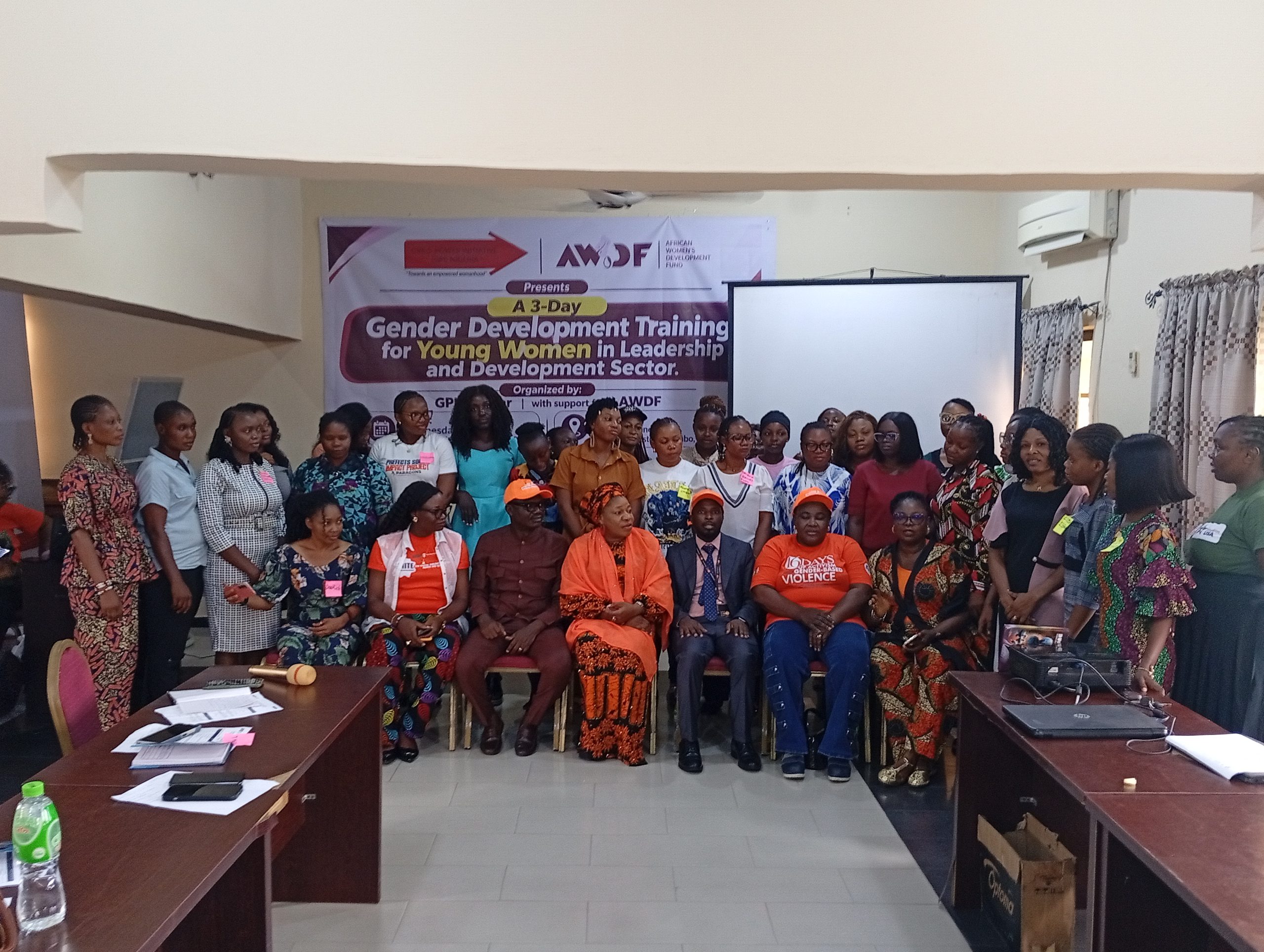
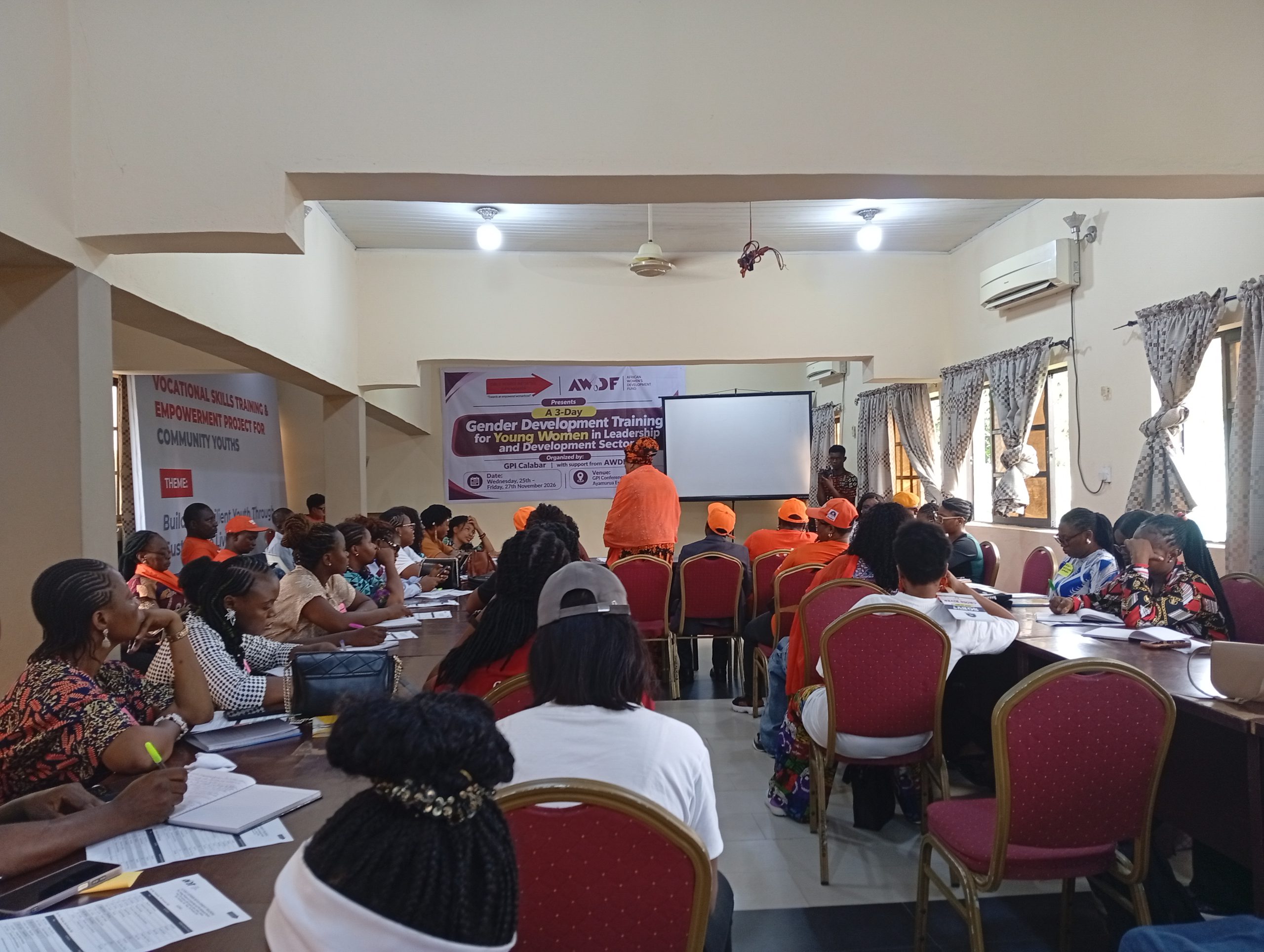
The briefing had in attendance stakeholders, CSOs, development partners, the media, government officials and others.
Short Link:
Leave feedback about this