By Patrick Obia
Women from seven communities in Cross River State have called on Governor Bassey Otu to address discriminatory traditional practices, ensure women’s representation in community leadership structures and strengthen measures to combat Gender-Based Violence (GBV).
The women made the demands in a communiqué jointly issued by representatives of seven communities, the Basic Rights Counsel Initiative (BRCI), with support from ActionAid, and the CLEEN Foundation, as part of activities marking the 2026 16 Days of Activism against GBV.
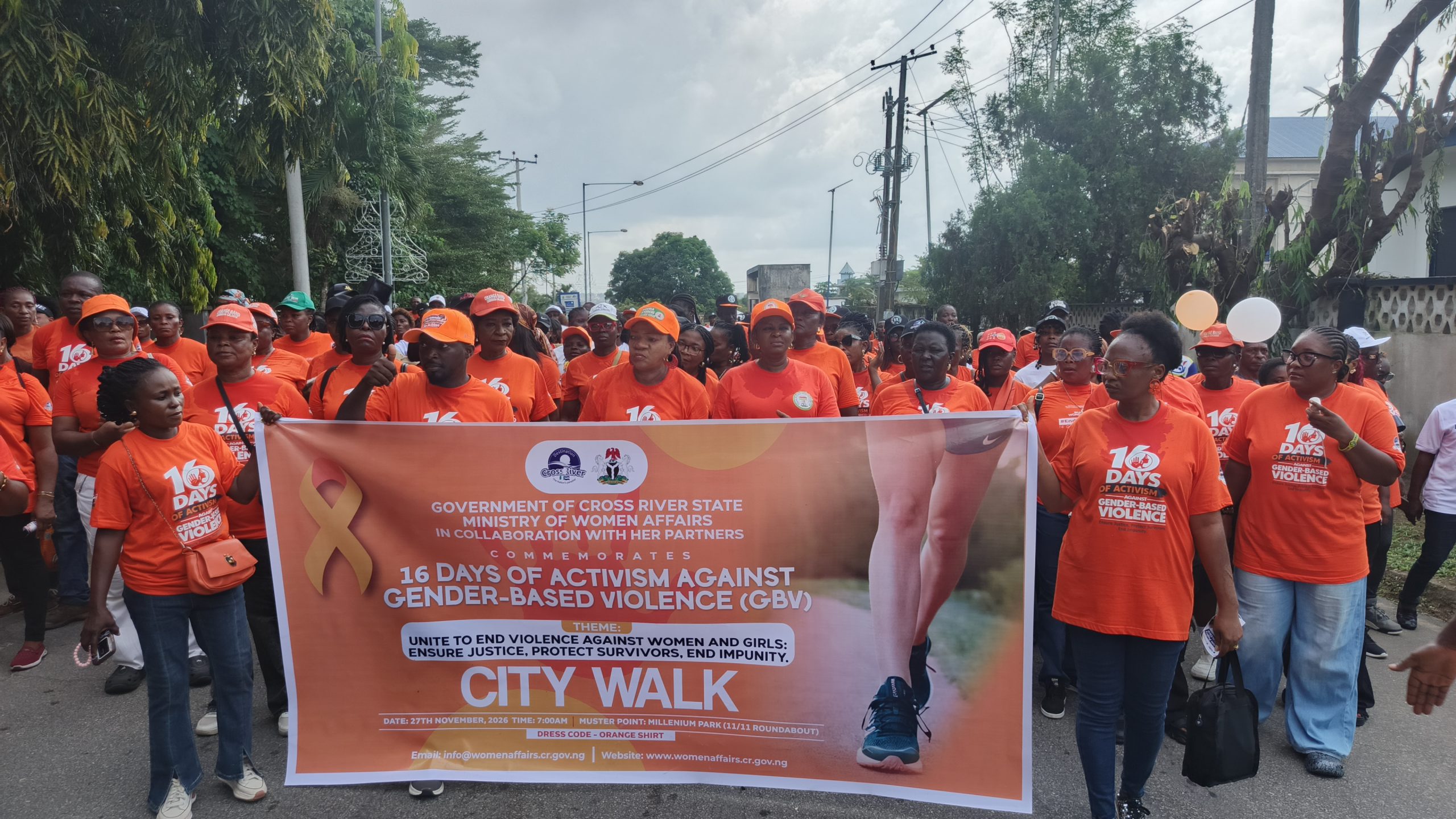
Read on behalf of the women, Mrs. Janet Ohana from Adachi Community in Bekwarra Local Government Area of the state, presented it to Governor Otu on November 27, 2026, shortly before kick off the 16 Days of Activism rally at the Millennium Park, Calabar with the theme, “Ensure Justice, Protect Survivors, End Impunity.”
The women comprising from Idoma, Abredang, Ofumbongha IV, Edondon, Afrike II, Akaraba and Adachi communities, highlighted the challenges confronting women and girls, expressing concern over their exclusion from traditional ruling councils, discriminatory land ownership practices, preference for male children, female genital mutilation (FGM) and harmful traditional responses to sexual and gender-based violence.
They said though some traditional leaders have begun allowing women to contribute to community discussions, women remain excluded from decision-making structures where critical decisions affecting their lives and communities are taken.
The communities argued that participation should go beyond attending meetings and expressing opinions, insisting that women must have seats, voting rights and meaningful decision-making roles in traditional ruling councils.
READ ALSO: Cross River Records 1,818 Gender-Based Violence Cases As Government Flags Off 16 Days Of Activism
They raised concerns over discriminatory land ownership practices in some communities, where women are reportedly denied access to family and community land and, unlike their male counterparts, are often required to purchase land before they can own or use it.
The group noted that such practices undermine women’s economic independence, agricultural productivity, livelihood opportunities and contributions to community development.
On discrimination against female children, the women expressed concern that some women experience emotional abuse and mistreatment for giving birth only to girls – condemning the practice and stressing that women should never be blamed or mistreated over the sex of their children, as every child deserves equal love, acceptance, protection and opportunities.
The message also raised concerns about the continued practice of female genital mutilation in some communities despite years of sensitization and advocacy, warning that the secret nature of the practice makes it difficult to identify, prevent and report cases, thereby exposing more women and girls to serious physical, psychological and reproductive health consequences.
Of particular concern to the group was the alleged practice of settling rape and other sexual violence cases through traditional arrangements, where perpetrators are reportedly made to pay fines in the form of goats, drinks or other items instead of being referred to law enforcement agencies.
Describing the practice as a serious obstacle to justice, the women said sexual violence must not be treated as an ordinary community dispute or resolved through traditional compensation.
They called for the referral of such cases to appropriate law enforcement and justice institutions for proper investigation and prosecution, while ensuring the dignity, safety and rights of survivors are protected.
At the same time, the women highlighted the disproportionate burden of household responsibilities placed on women, noting that many combine farming and other income-generating activities with childcare, cooking, cleaning, fetching water and other domestic duties, often without adequate support from men.
Demands Government Intervention
To address the concerns, the women presented ten recommendations to the Cross River State Government, urging the Ministry of Women Affairs and other relevant agencies to take deliberate steps towards protecting women’s rights and promoting gender equality.
Among their demands are the inclusion of women in traditional ruling councils with voting rights, equal access to family and community land, intensified campaigns against discrimination based on the sex of children and stronger interventions to eliminate female genital mutilation.
They also called for an end to traditional settlements of rape and sexual violence, improved access to justice, medical services, psychosocial support and legal assistance for survivors.
Other recommendations include promoting shared household responsibilities between men and women, strengthening community-level advocacy, engaging traditional and religious institutions and establishing monitoring and accountability mechanisms to ensure government commitments translate into measurable results, urging the state government to support women’s groups and community-based organizations in promoting economic independence, leadership development and greater participation in community governance.
Appeal To Governor Otu
Appealing directly to Governor Otu, the women called for his personal intervention in engaging traditional rulers and community leaders to address discriminatory customs and secure women’s representation in community leadership structures while maintaining that inclusive and sustainable community development would remain difficult to achieve if women continued to be excluded from leadership, denied equal opportunities or exposed to violence and discrimination.
They, however, reaffirmed commitment to working with the state government, traditional rulers, religious institutions, civil society organizations, the media and other stakeholders to promote the rights, safety, dignity and empowerment of women and girls; pleading with men, boys, traditional institutions, government agencies and the wider society to take collective responsibility for ending GBV and discriminatory practices.
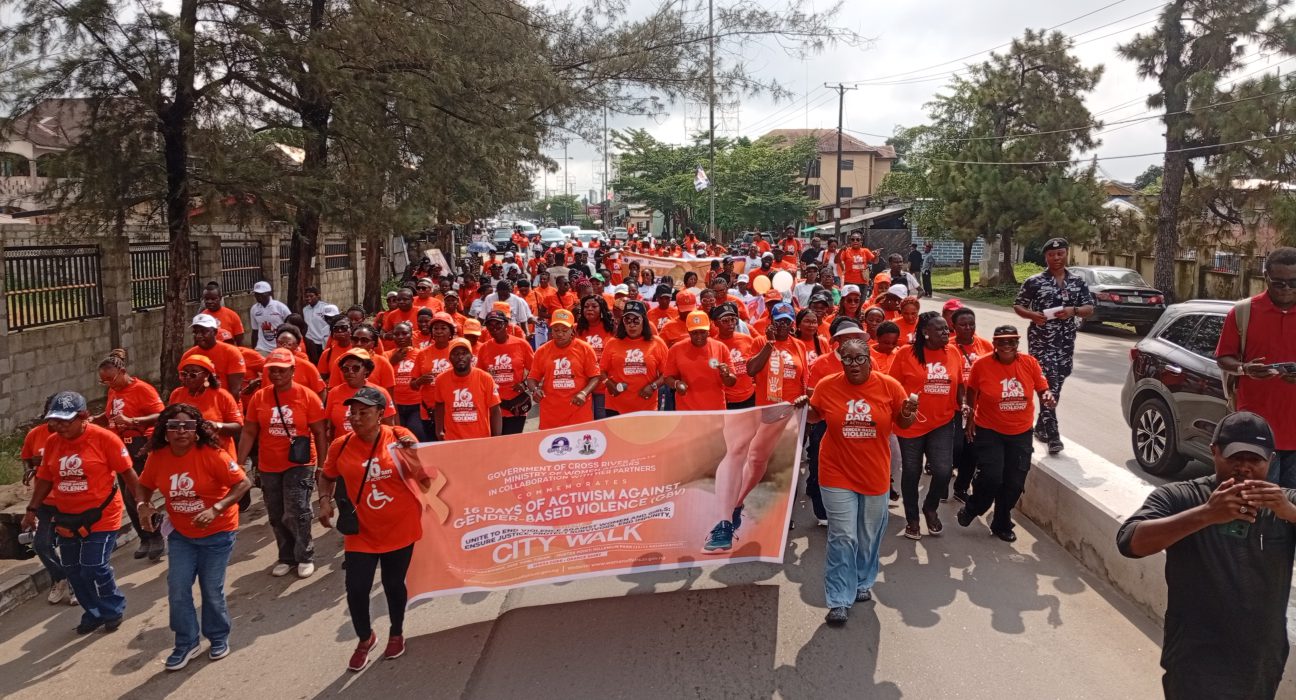
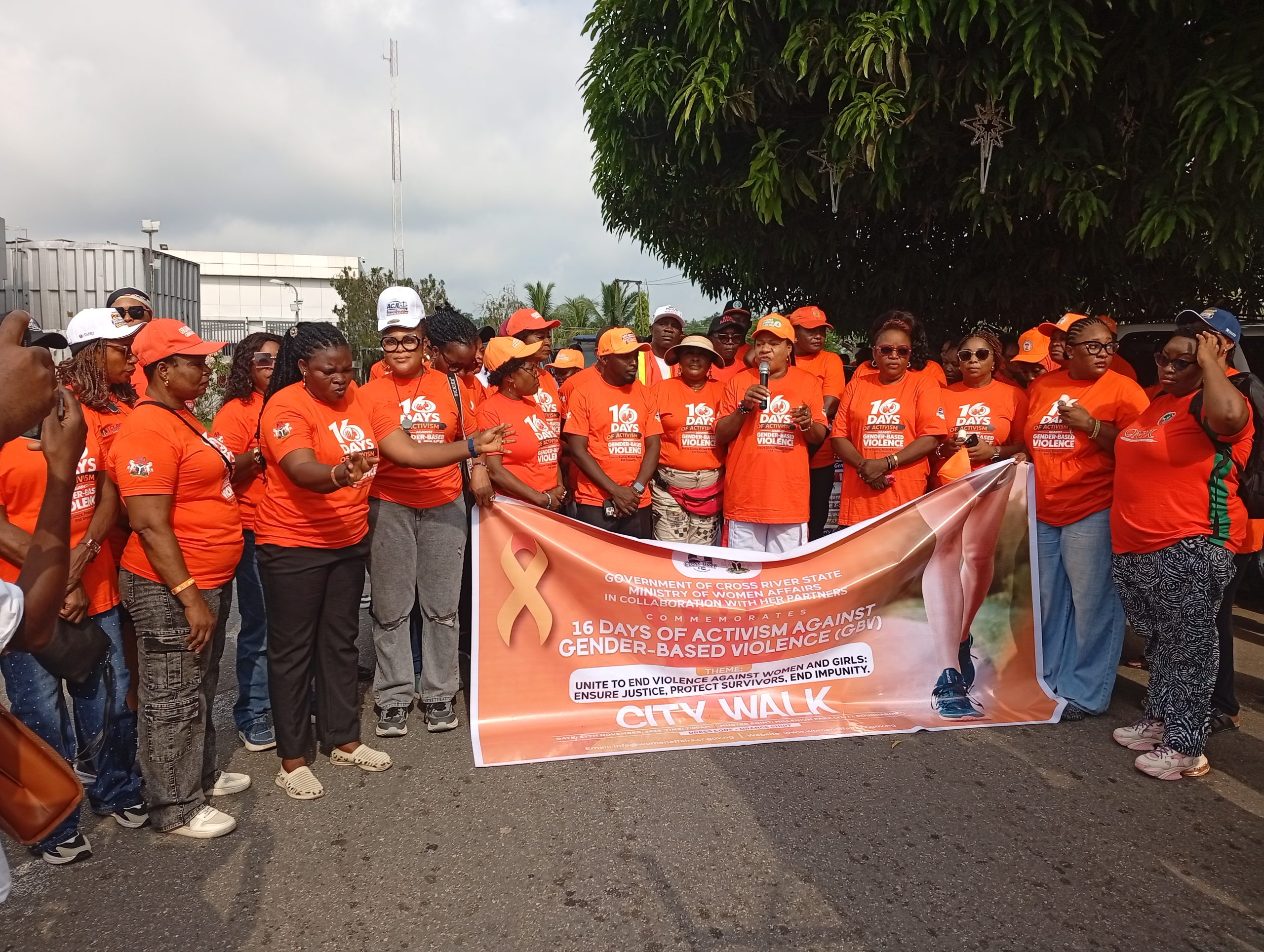
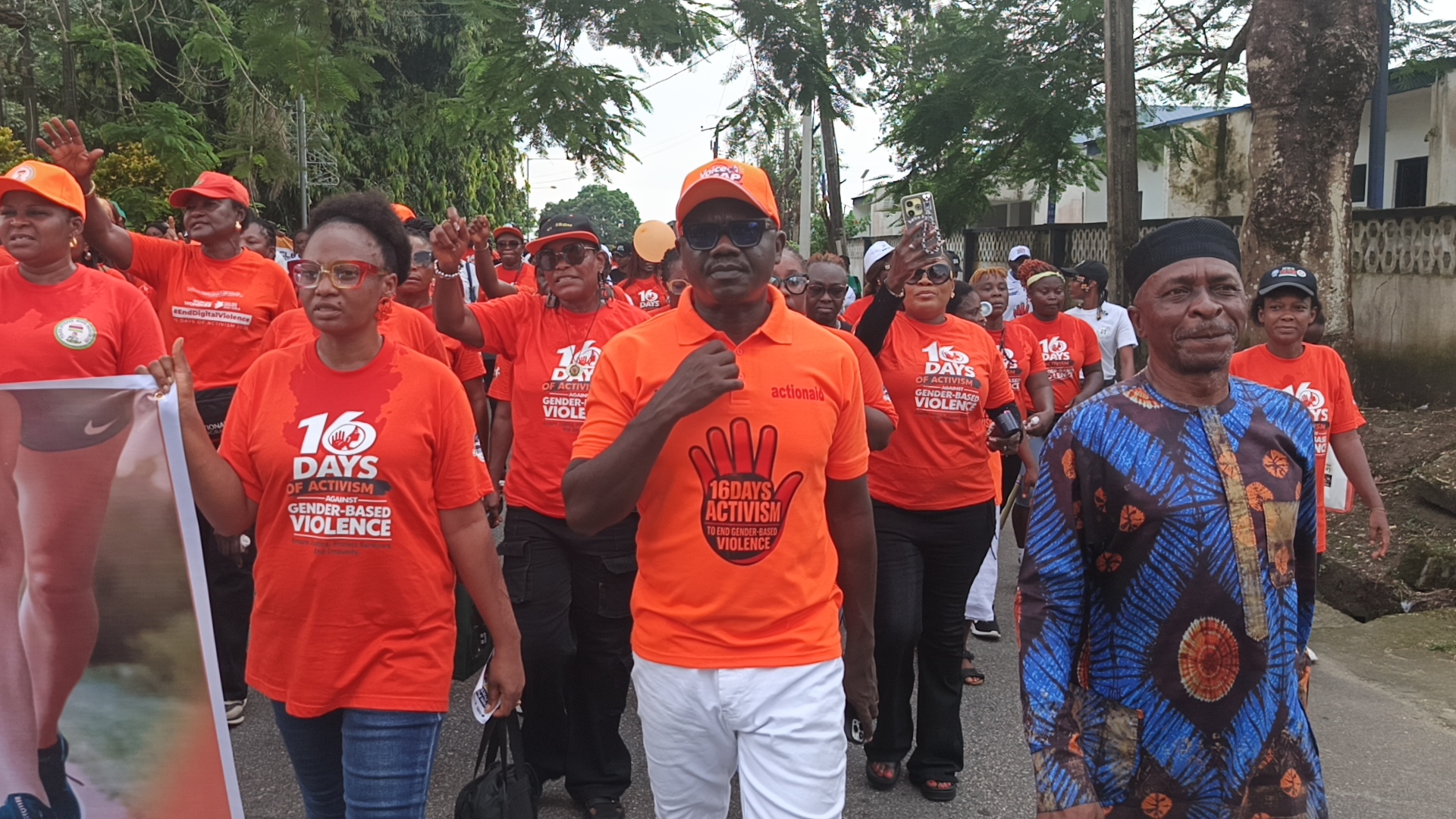
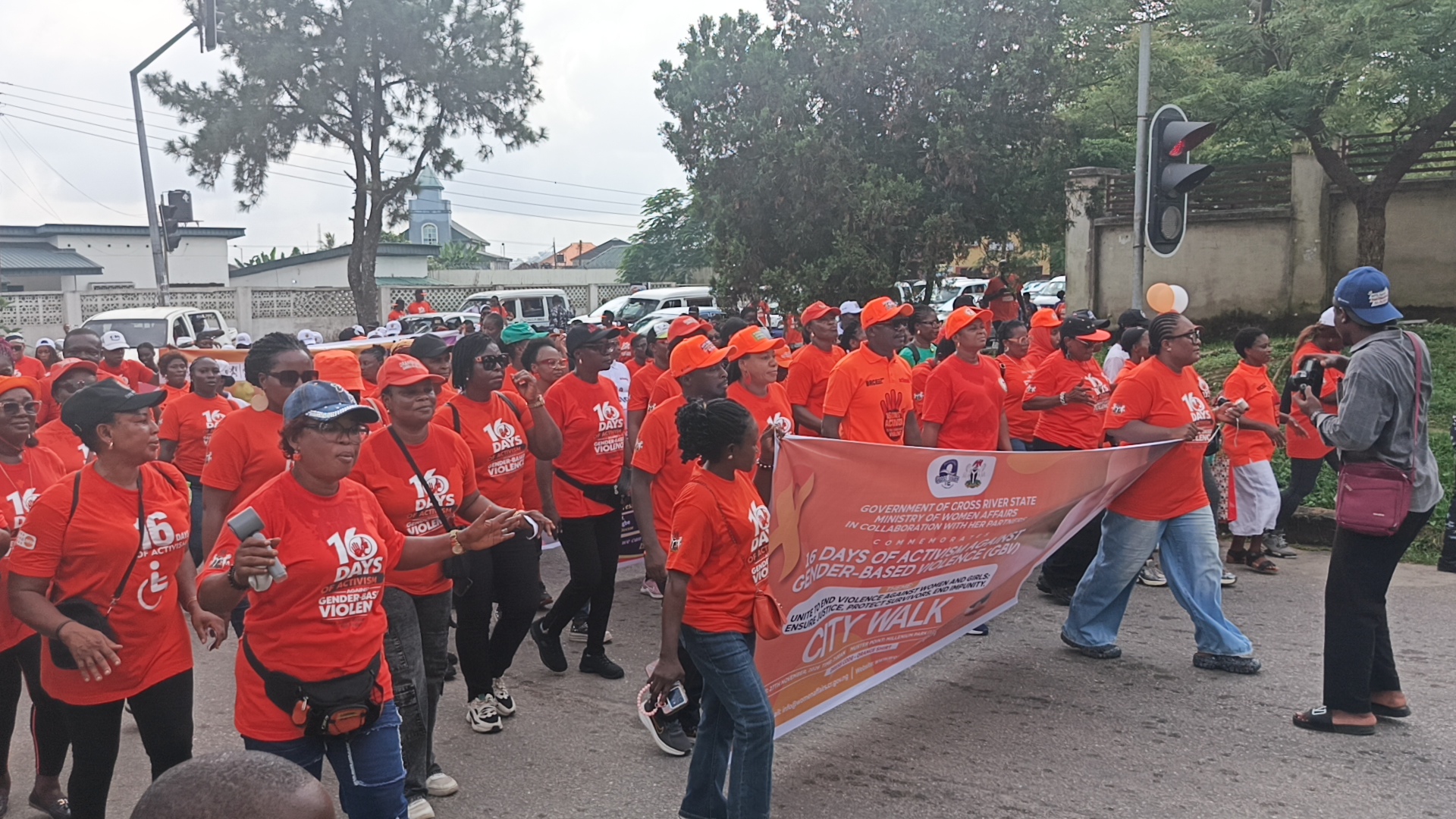
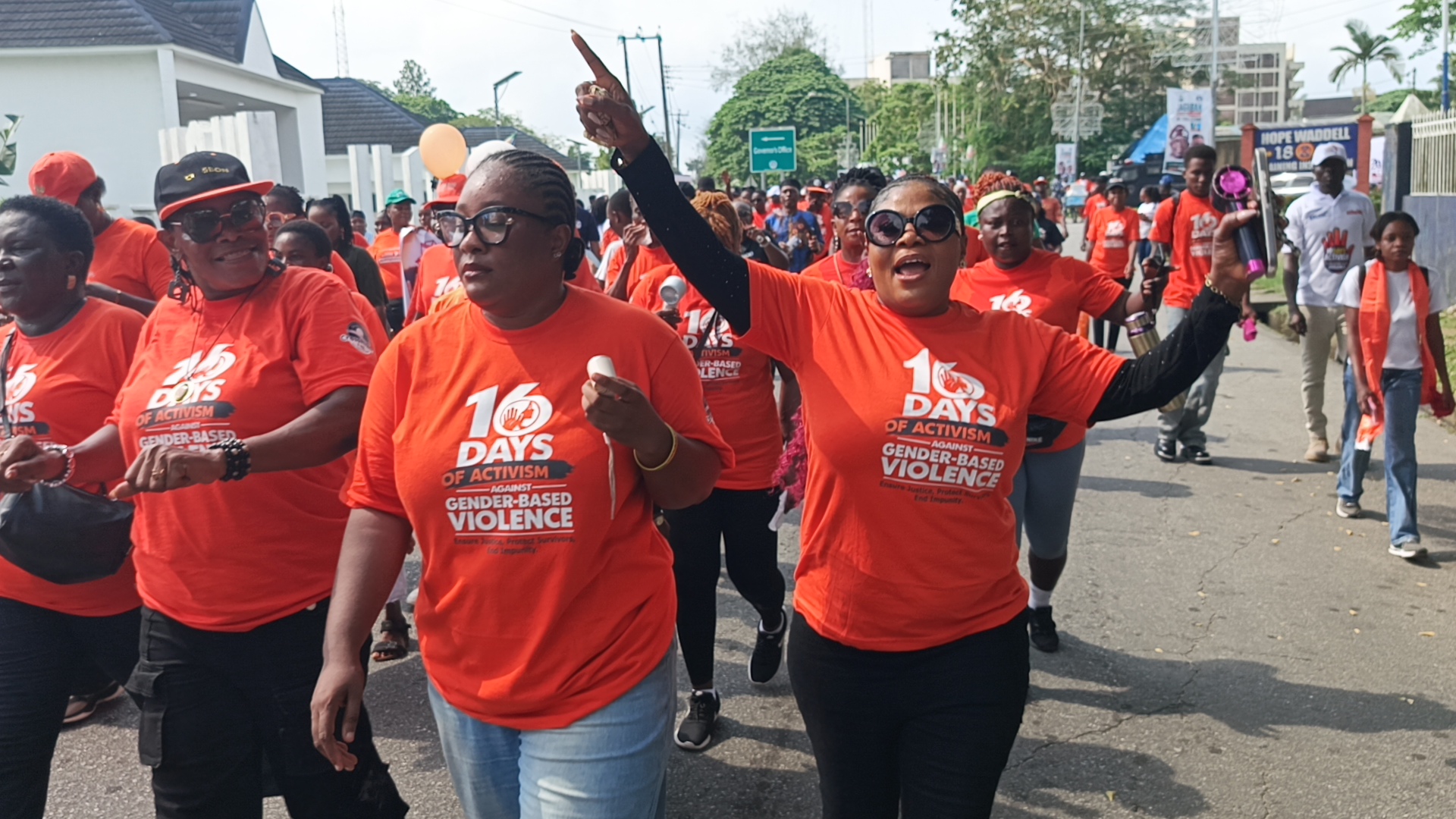
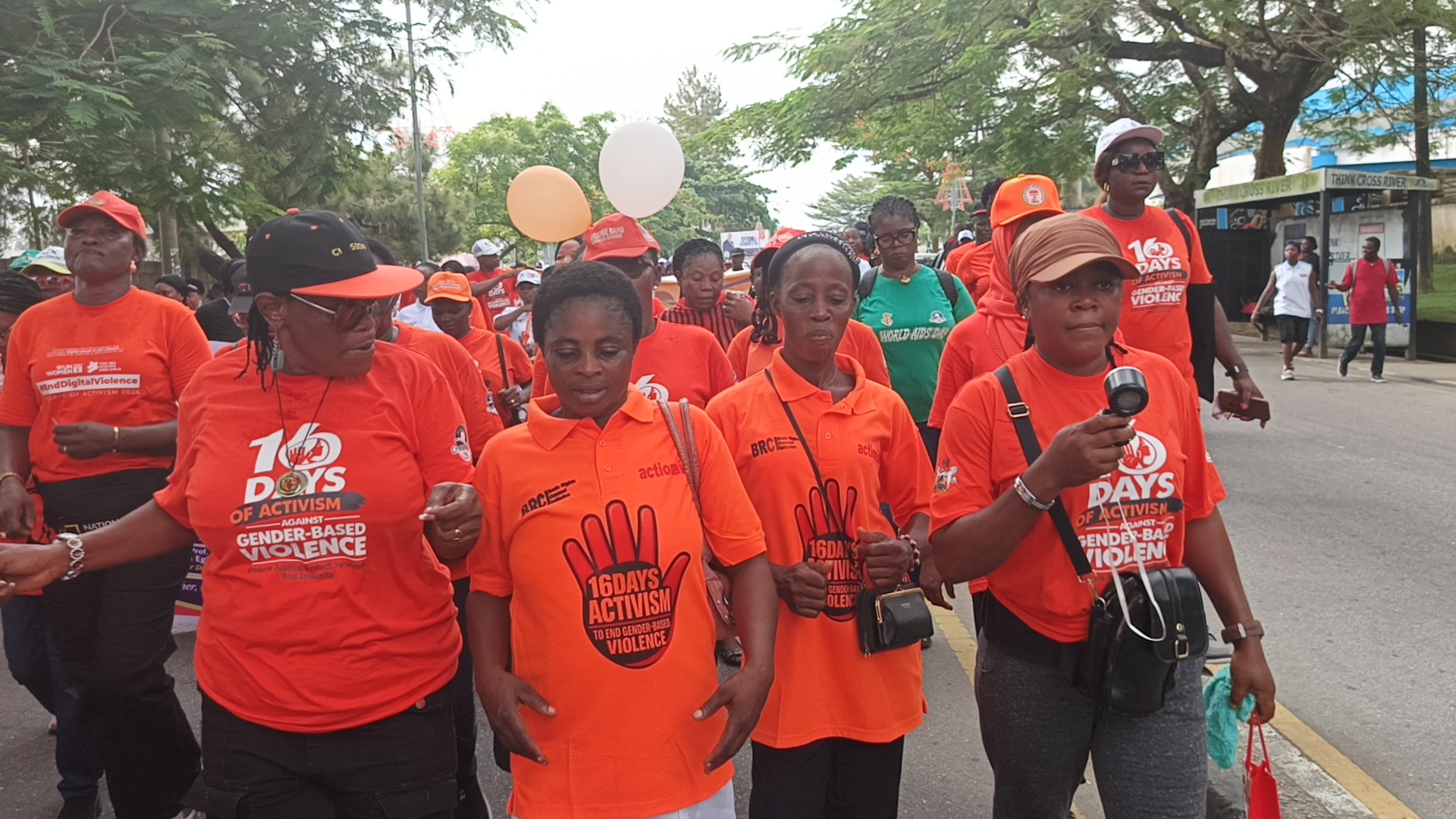
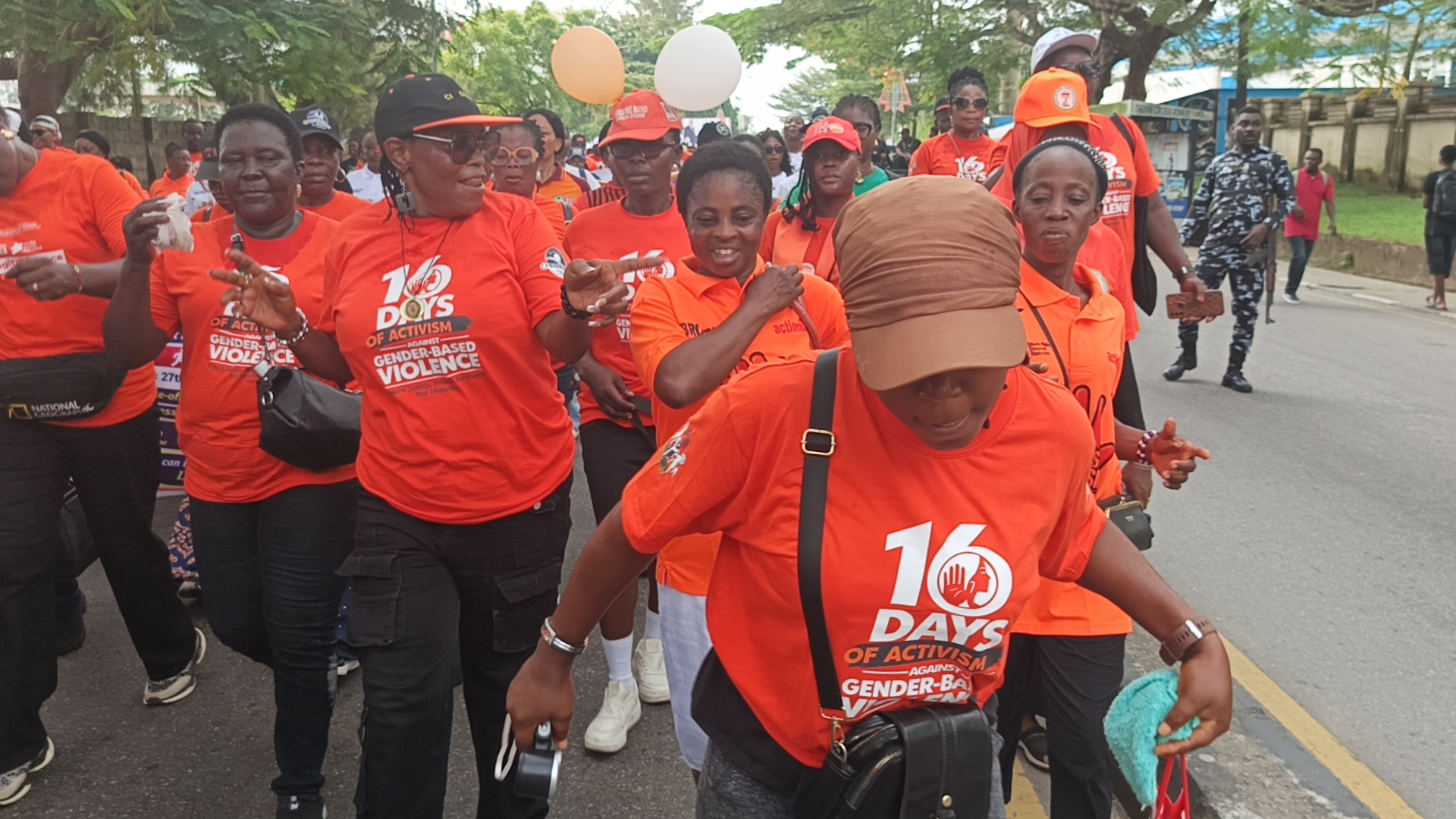
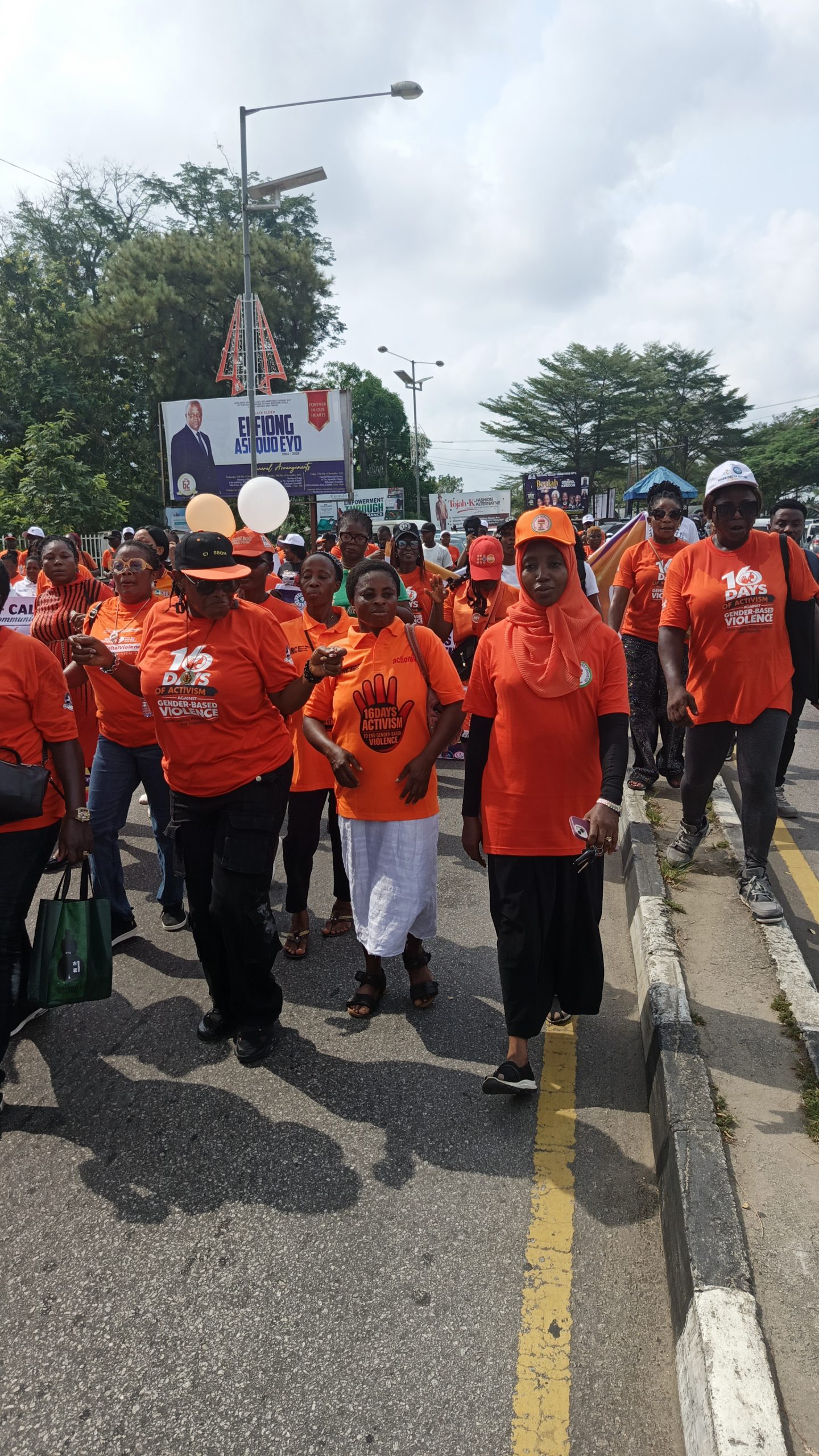
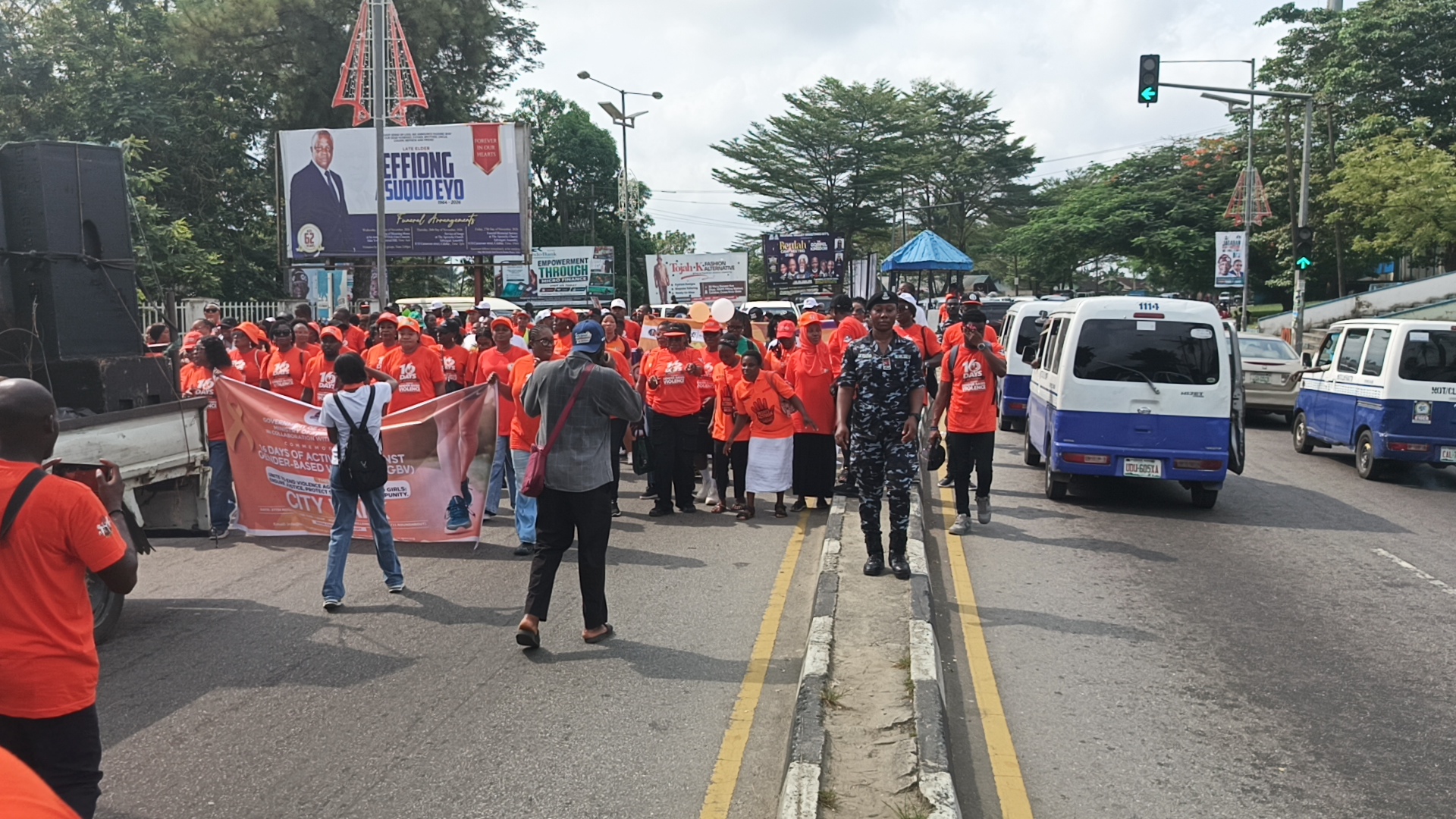
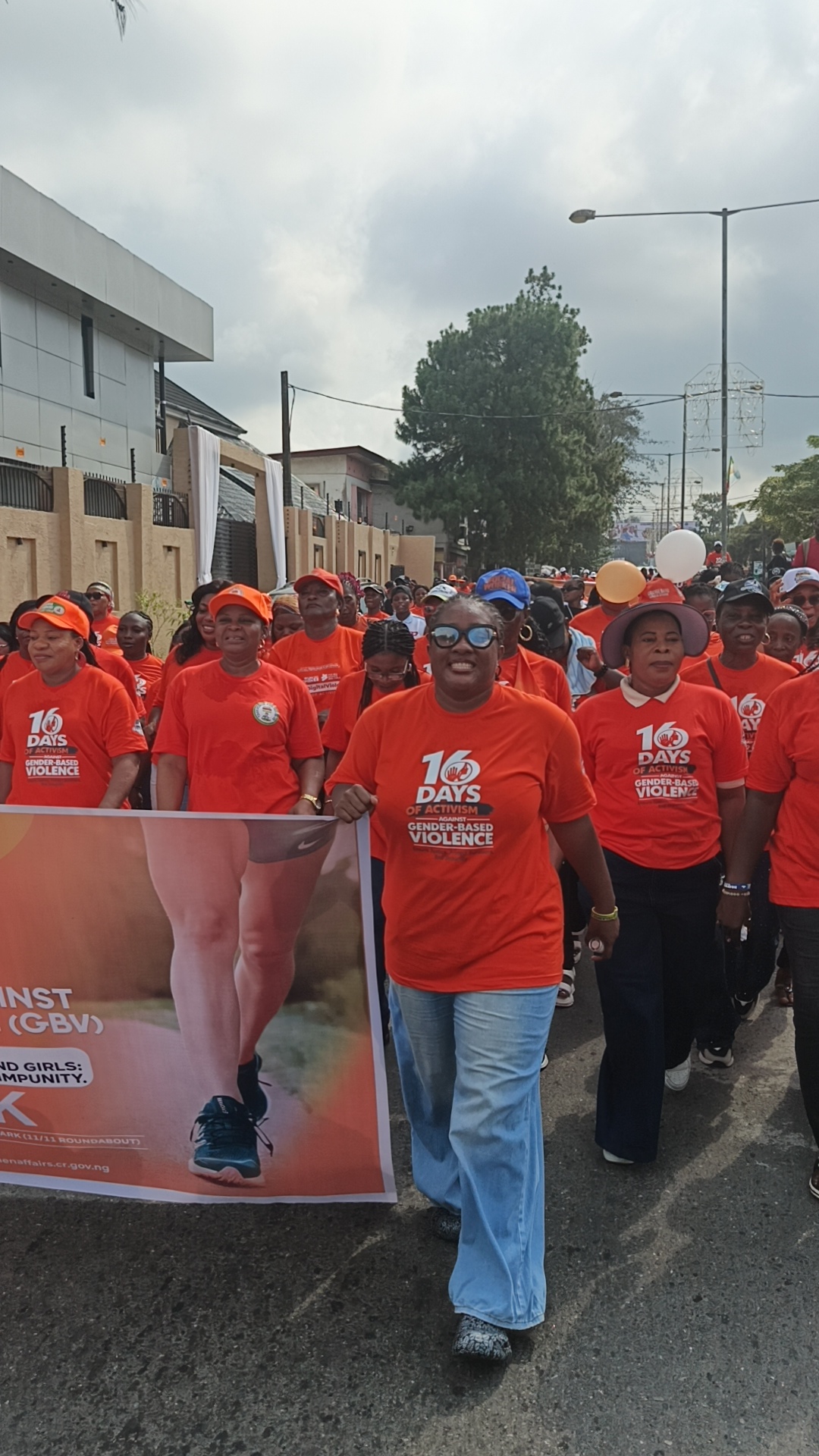
To kick off the rally at the Millennium Park, the Honorable Commissioner for Women Affairs, Hon Edema Irom emphasized the need to end all forms of gender based violence, harmful practices and other negative vices, especially against women.
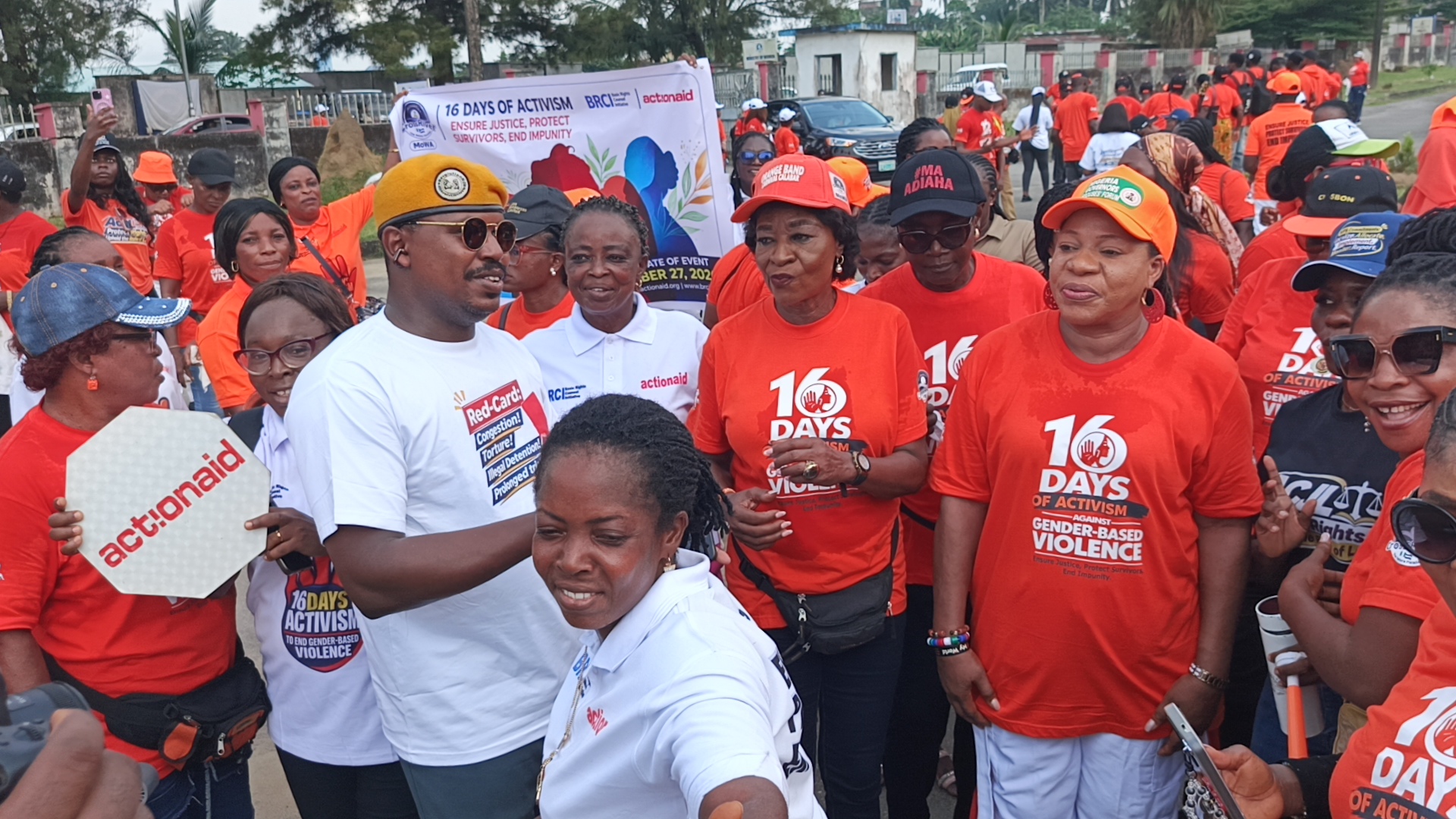
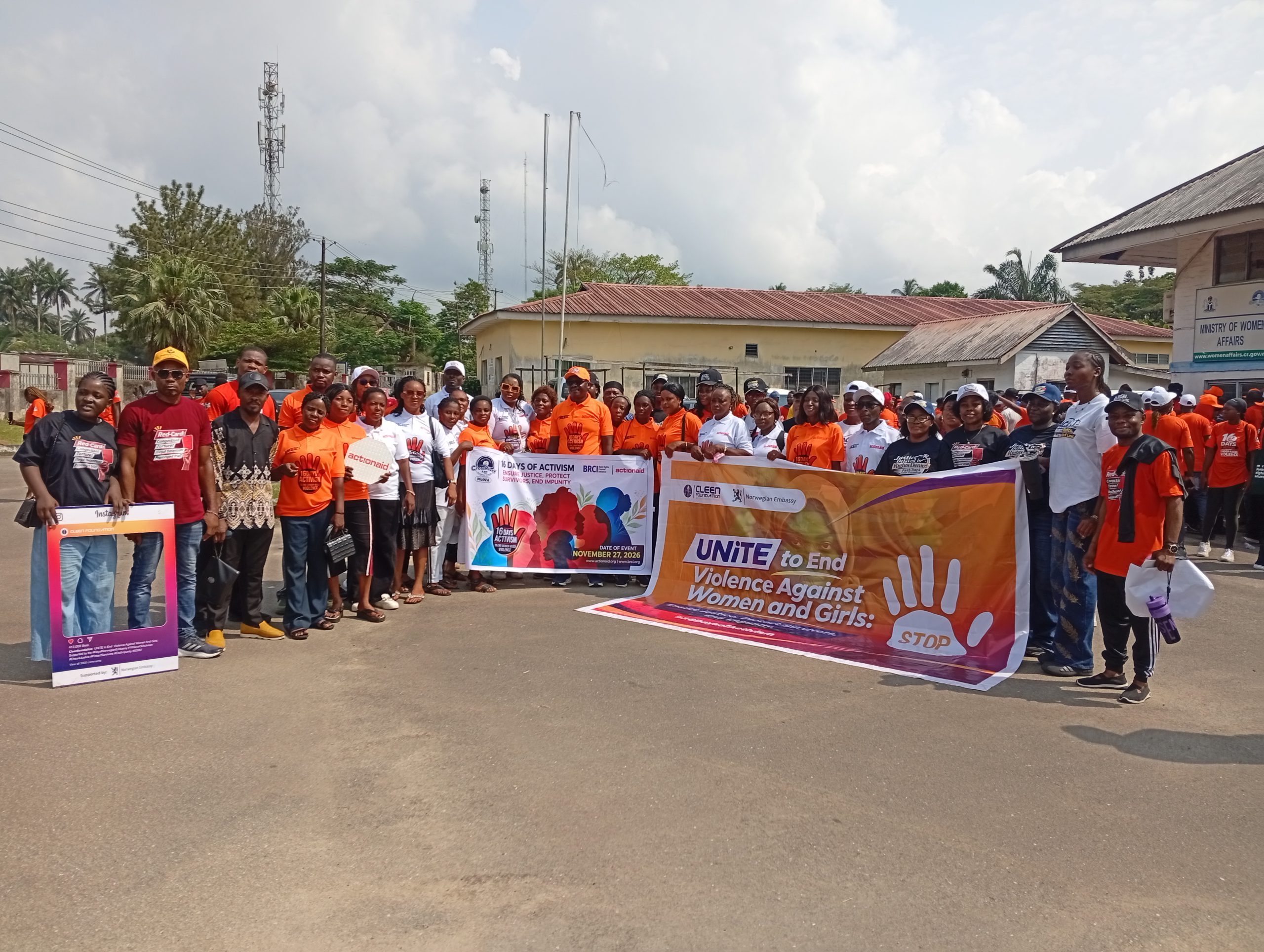
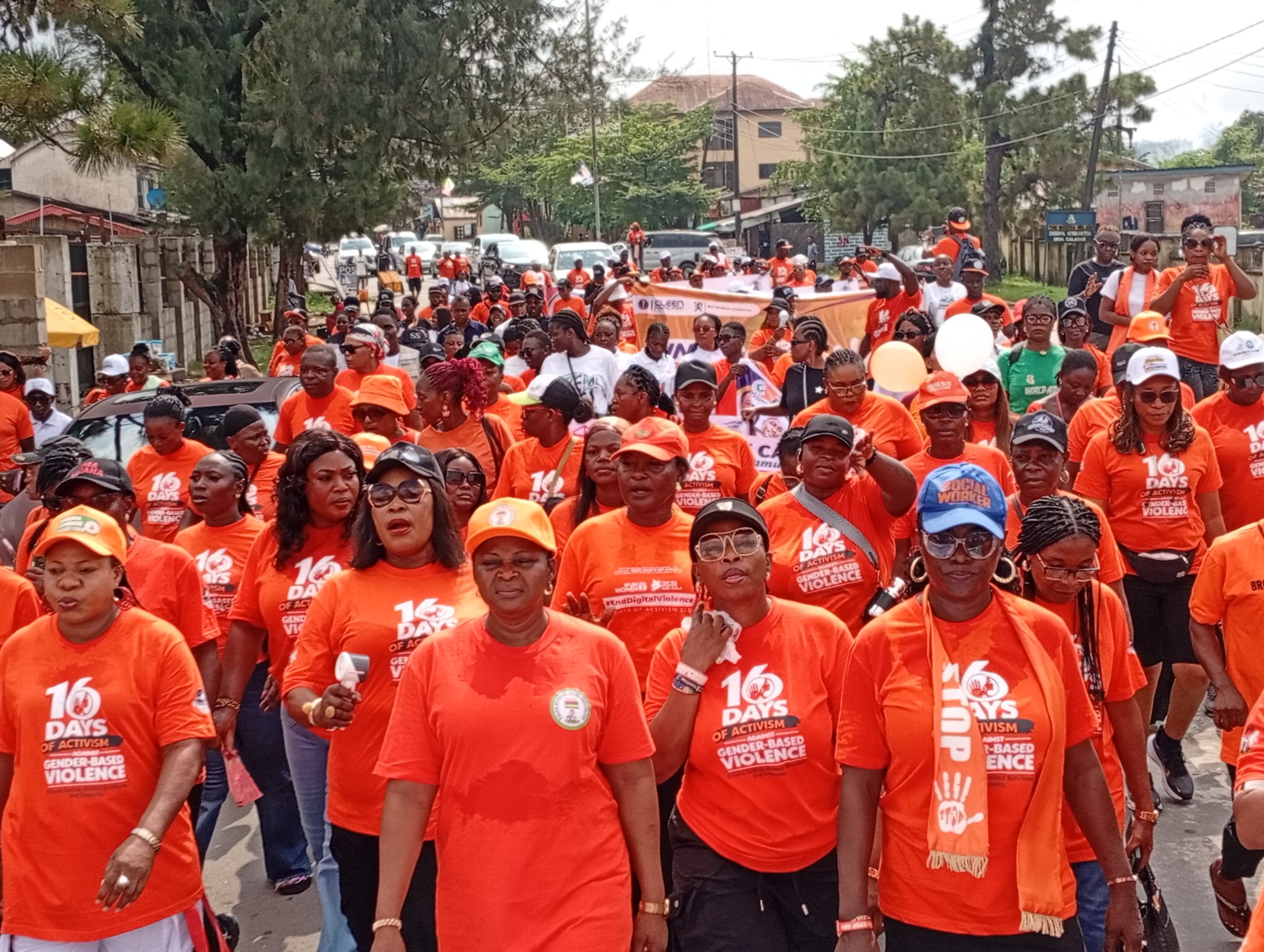
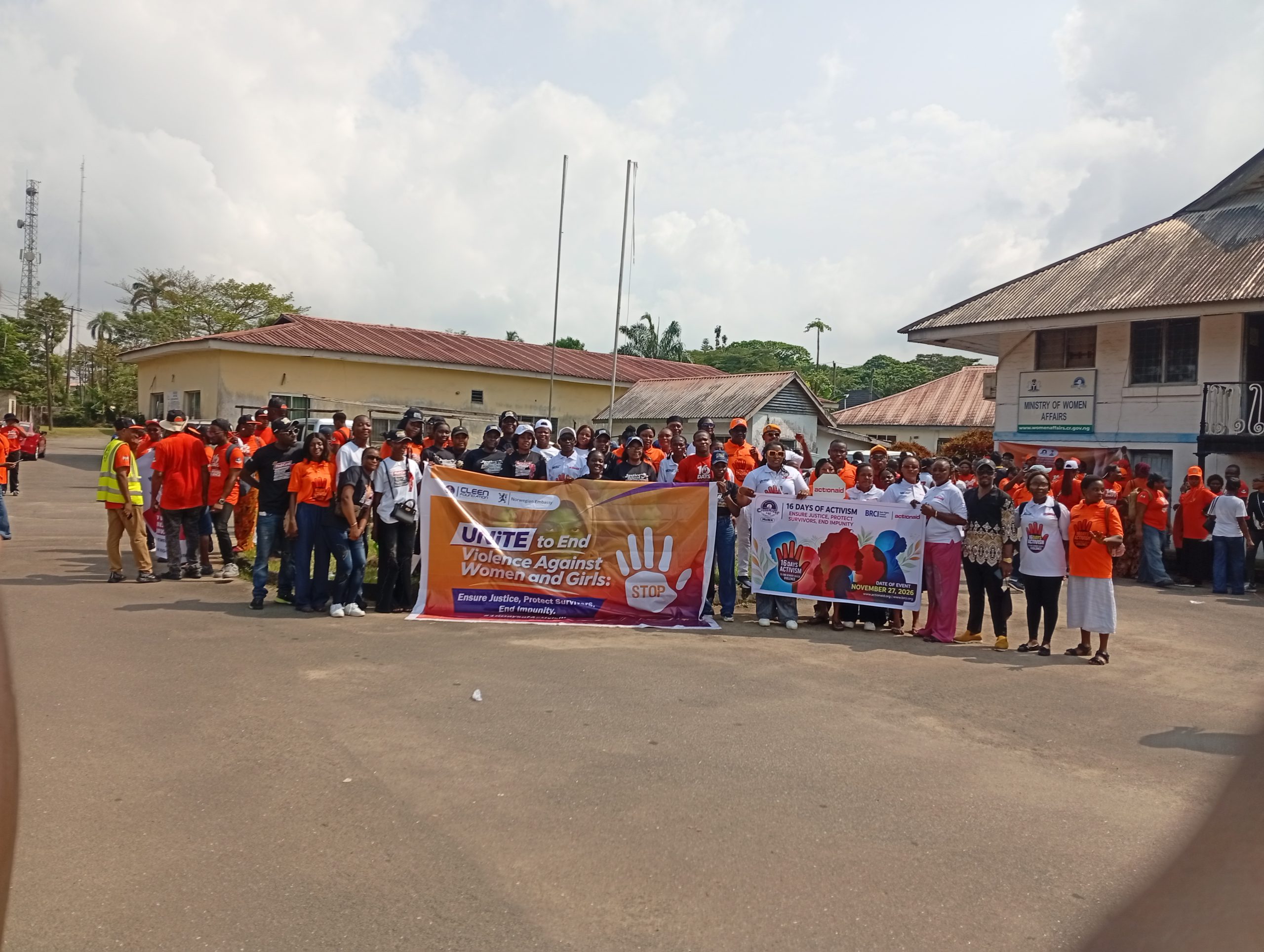
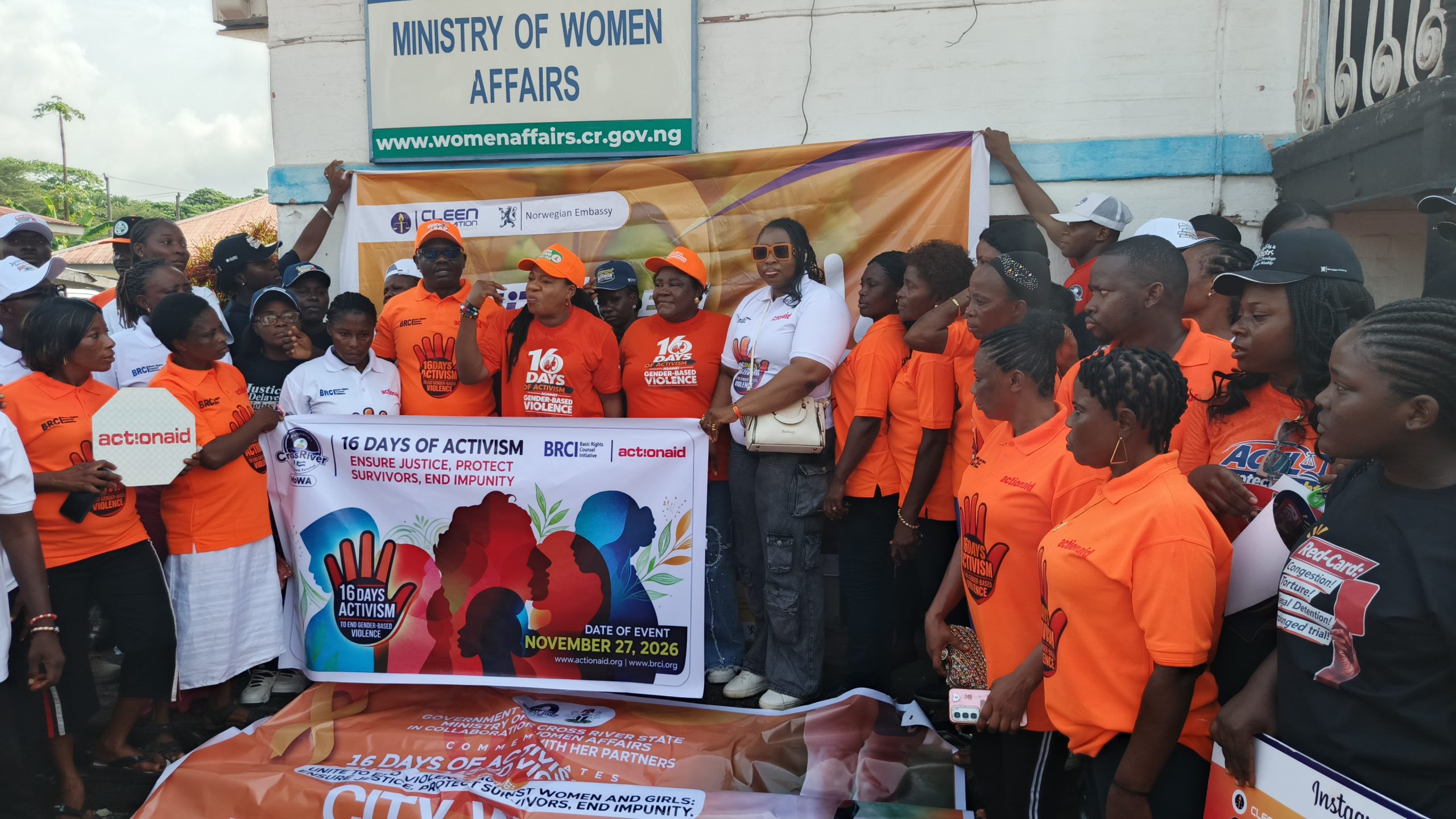
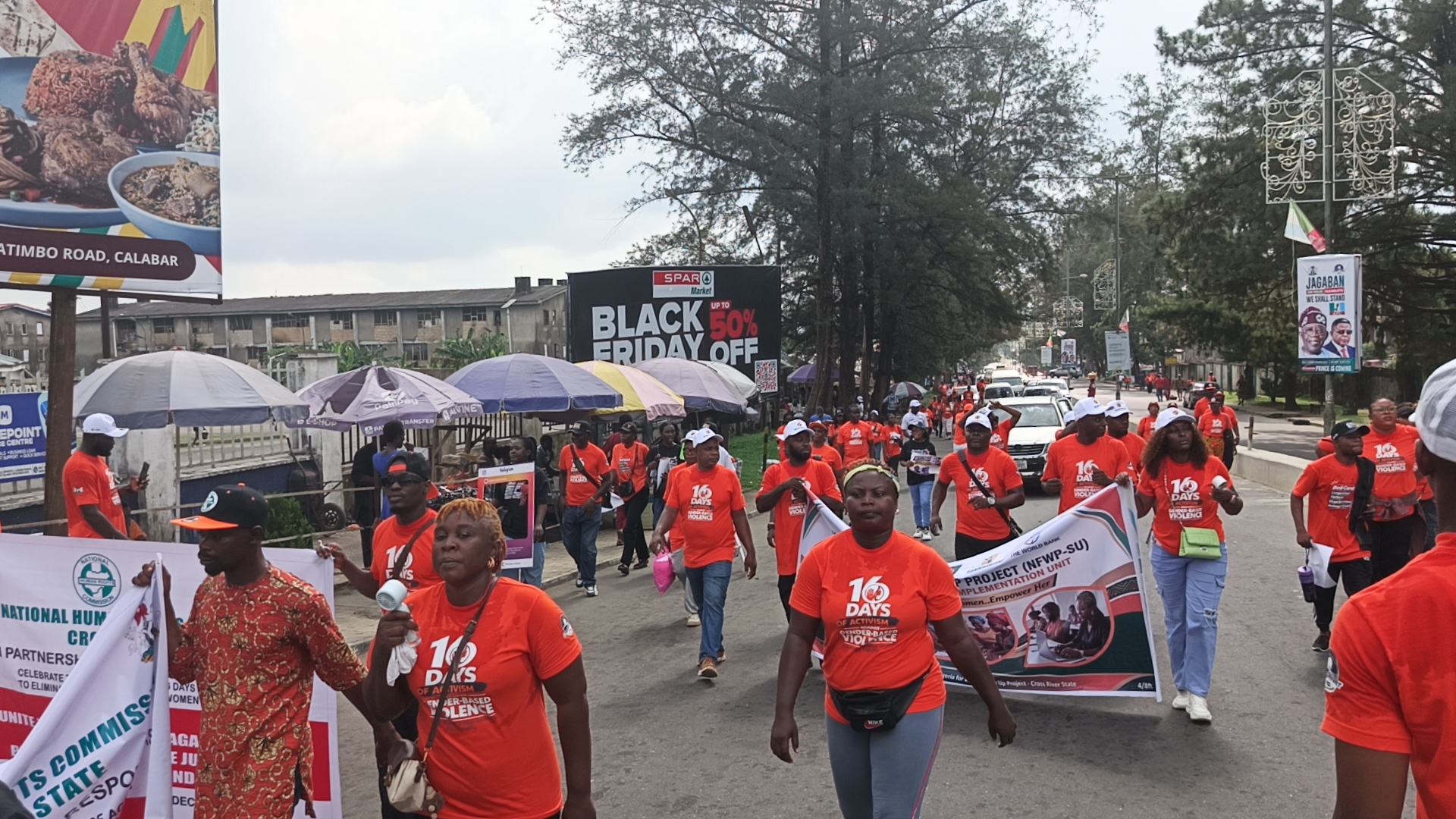
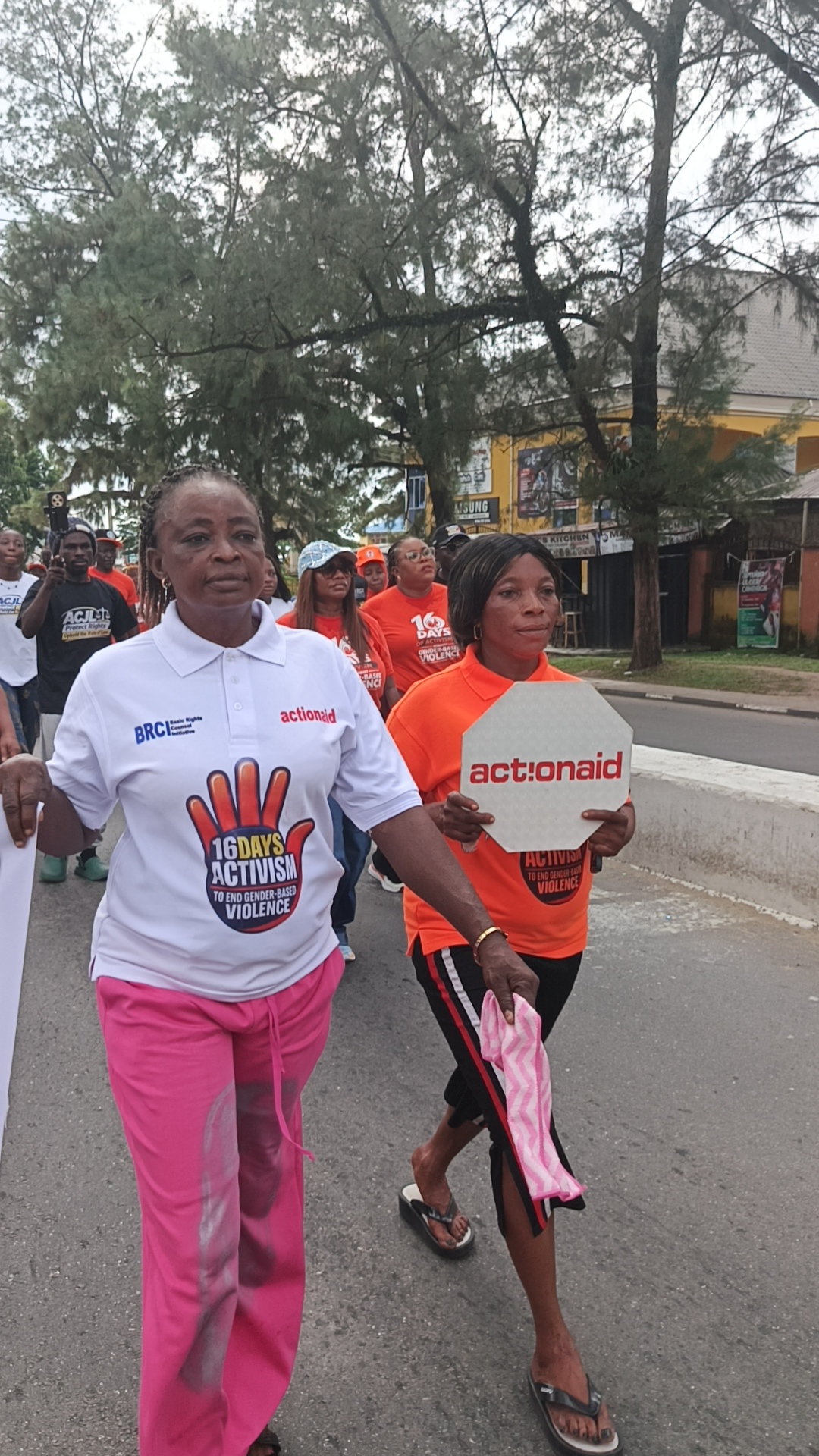
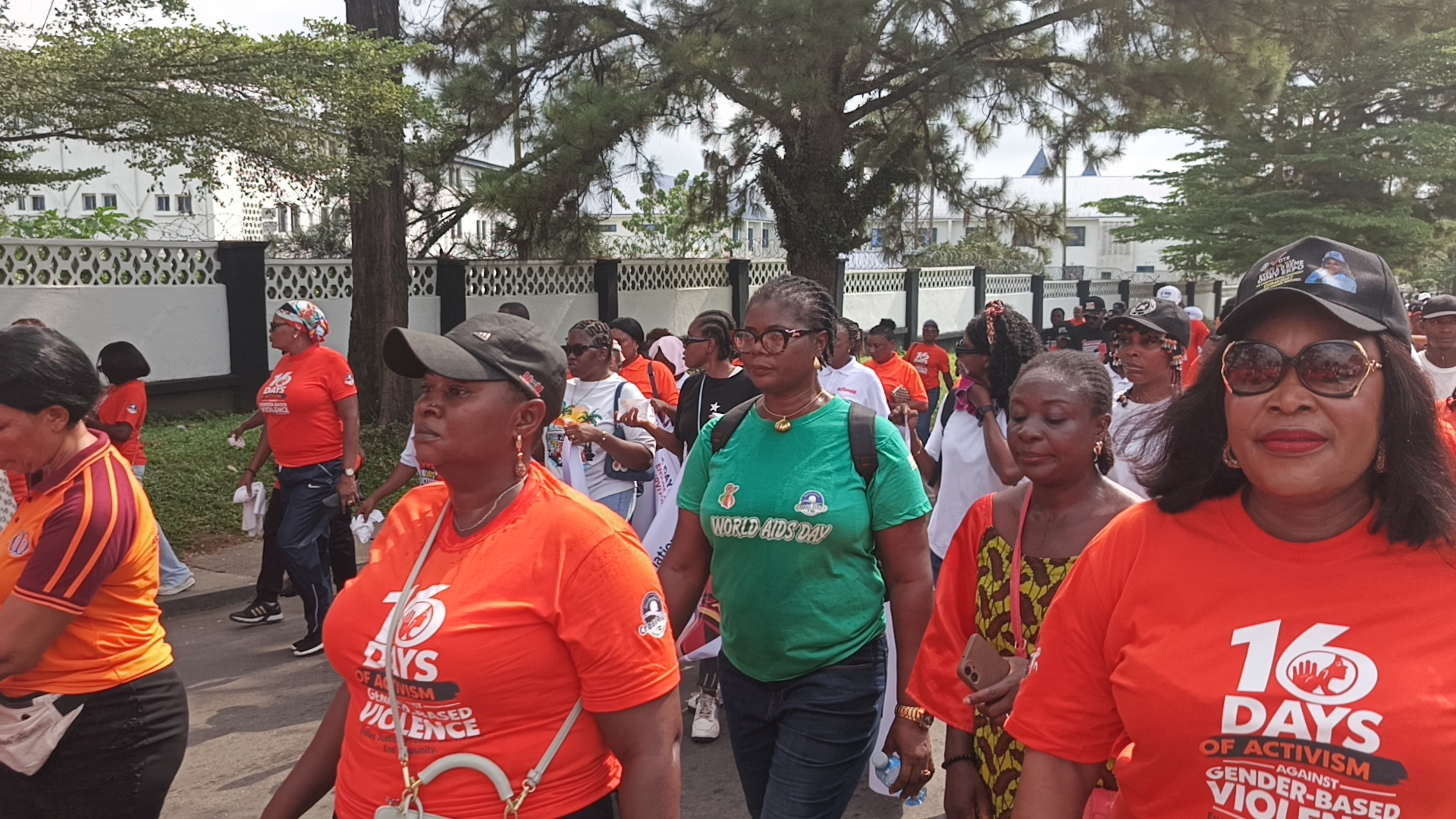
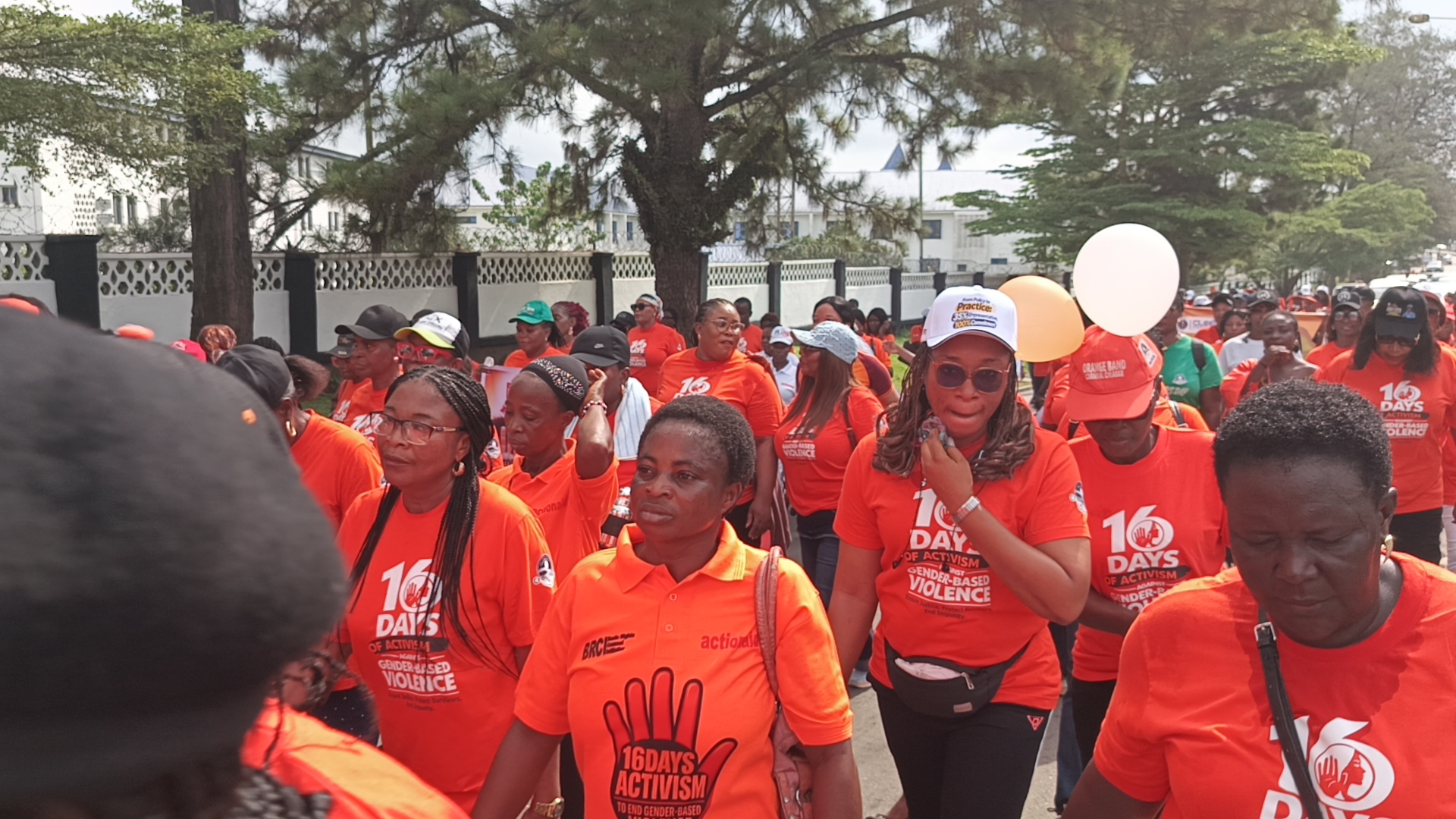
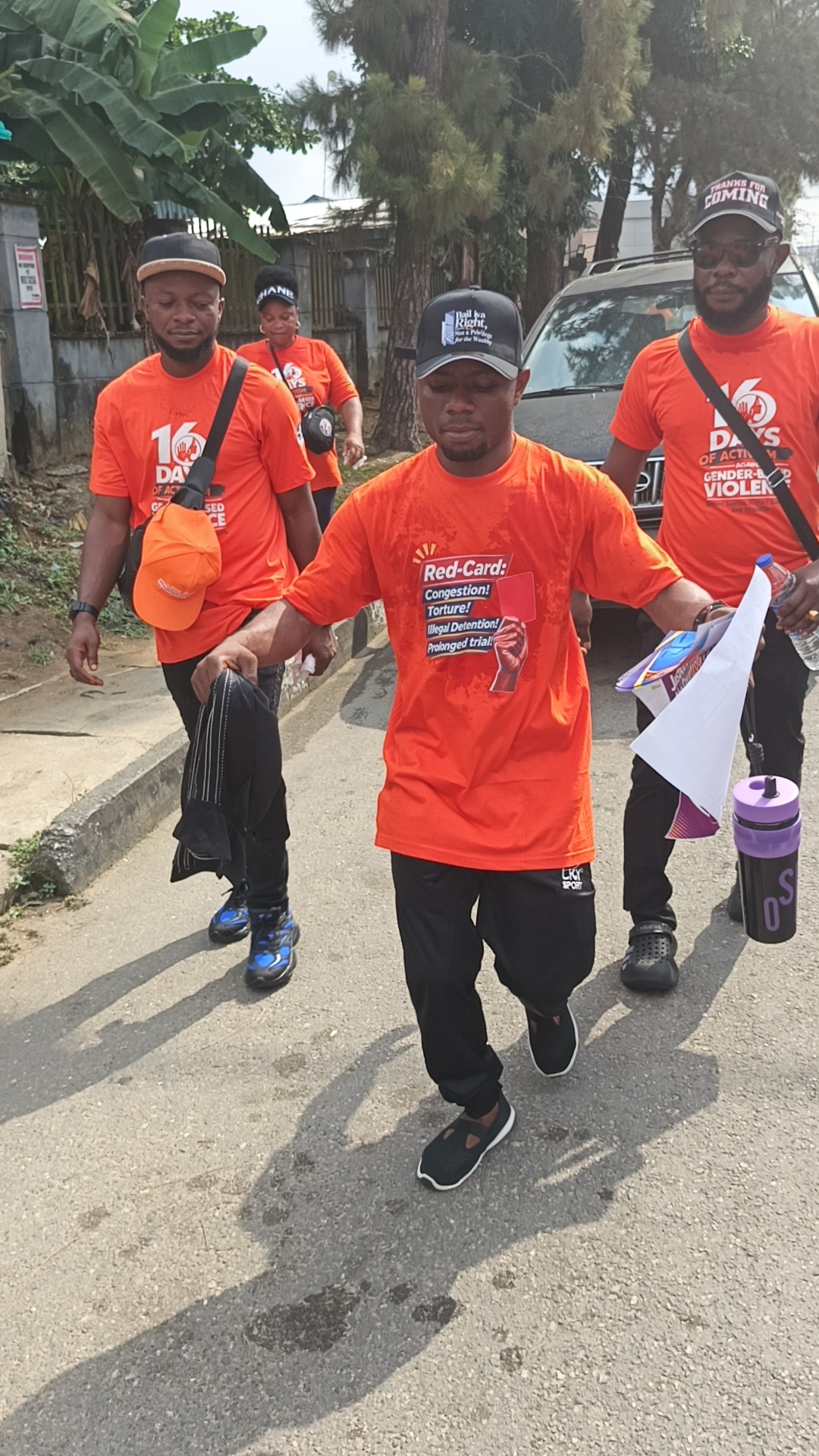
The rally had in attendance partners and collaborators, started from the 11-11 Roundabout, en route to Mary Slessor, down to IBB Way, up to UJ Esuene Sports Stadium and terminated at the Ministry of Women Affairs, Calabar.
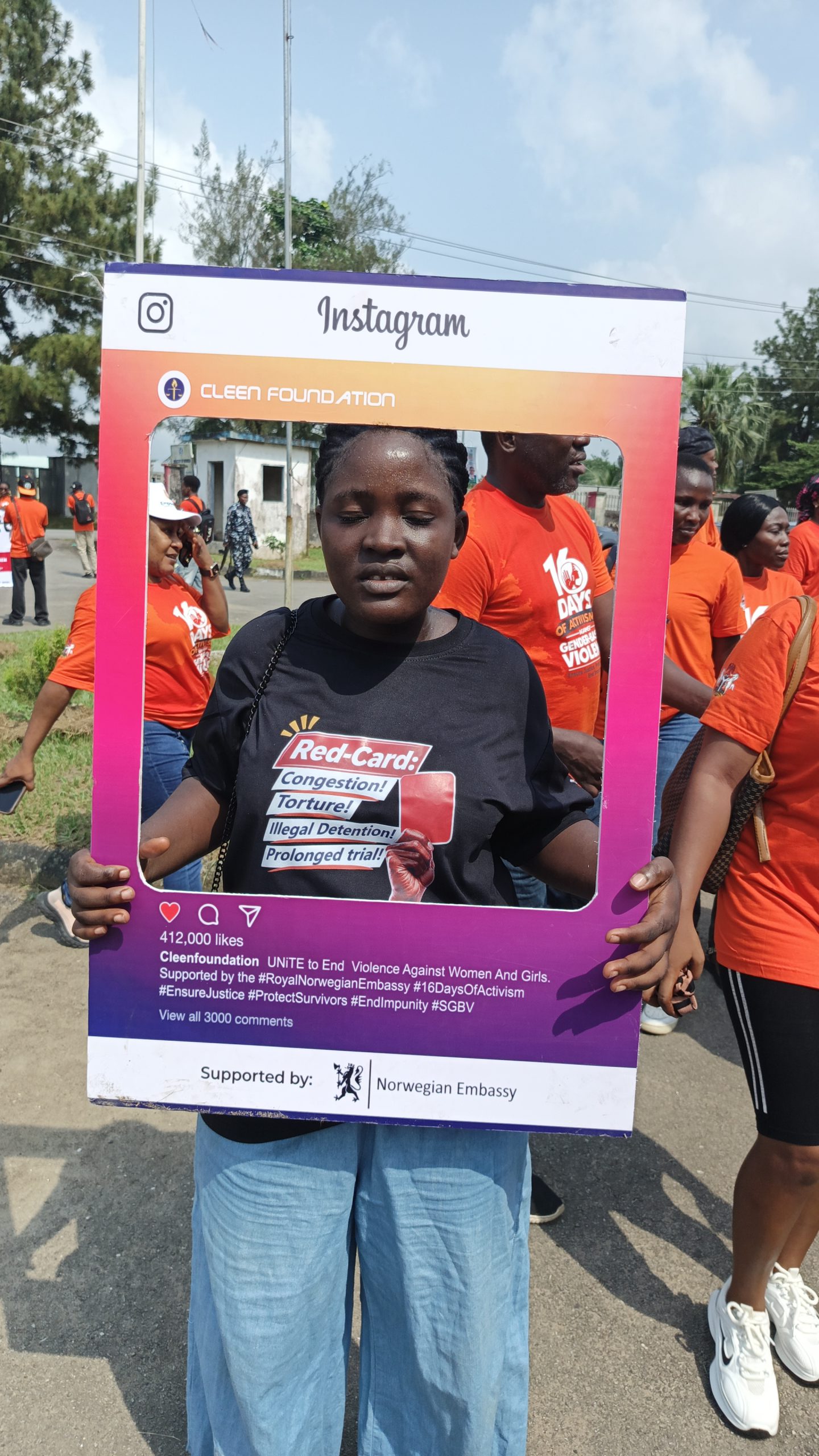
The partners includes, Basic Rights Council Initiative (BRCI), International Federation of Women Lawyers (FIDA), United Nations Population Fund (UNFPA), Girls Power Initiative (GPI), CLEEN Foundation, ActionAid Local Rights Program, Cross River State Ministry of Women Affairs, State Agency for the Control of Aids (SACA), National Human Rights Commission, Cross River State; Medical students, Tens Issues Initiative, Nigerian for Woman JONAPWD, Child Protection Network (CPN) Cross River State, Neighborhood Care-Well Foundation, Onyx Foundation, APC Women and other partners.



Short Link:
Leave feedback about this