By Kelvin Ololo
Residents of parts of Calabar were stranded on Monday morning 18 May, 2026, after a heavy downpour flooded major roads and residential areas, disrupting movement to schools, offices, and business locations.
The flooding, which affected several parts of Calabar South, was particularly severe along Webber, Atakpa and Atamunu Streets, where a driver was trapped inside a drainage channel for several minutes before he was rescued by residents.
Eyewitnesses said floodwaters overflowed from blocked drainage systems into nearby roads and homes, leaving many residents trapped indoors while others struggled to navigate the submerged streets.
Speaking to CrossRiverWatch, a resident, Mr. Uko Nse Ubong, blamed the recurring flooding on poor drainage flow whenever rainfall occurs in the area.
“Whenever it rains, the water overflows the drainage and spreads everywhere, entering houses and preventing access to the roads,” he said.
He advised motorists and pedestrians to avoid driving or walking through flooded areas during rainfall and urged parents to closely monitor their children whenever it rains heavily.
Several residents were seen standing under umbrellas, clearing shops, restricting debris into their houses, searching for safer routes through the flooded roads, while some schoolchildren reportedly returned home after being unable to access their schools.
Another road user, Mr. Rex Ekpene, attributed the flooding to indiscriminate dumping of refuse and sewage into drainage channels.
He called on the state government and the Ministry of Environment to provide refuse bins at strategic locations to encourage proper waste disposal.
According to residents, the introduction and enforcement of the monthly environmental sanitation exercise, previously suspended for some time, could help reduce flooding by clearing dirt and debris blocking waterways and canals.
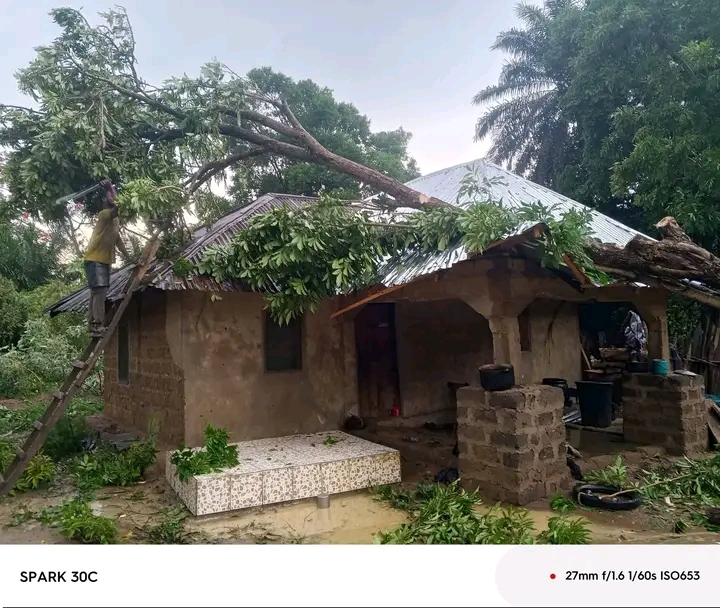
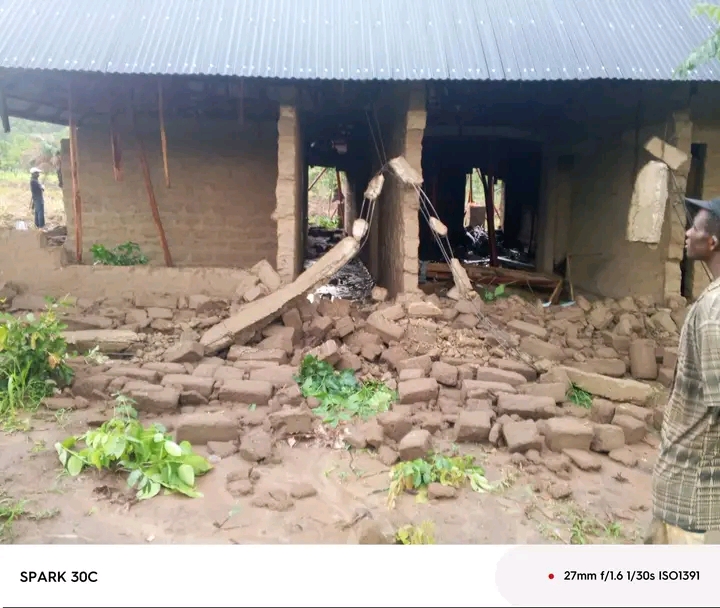
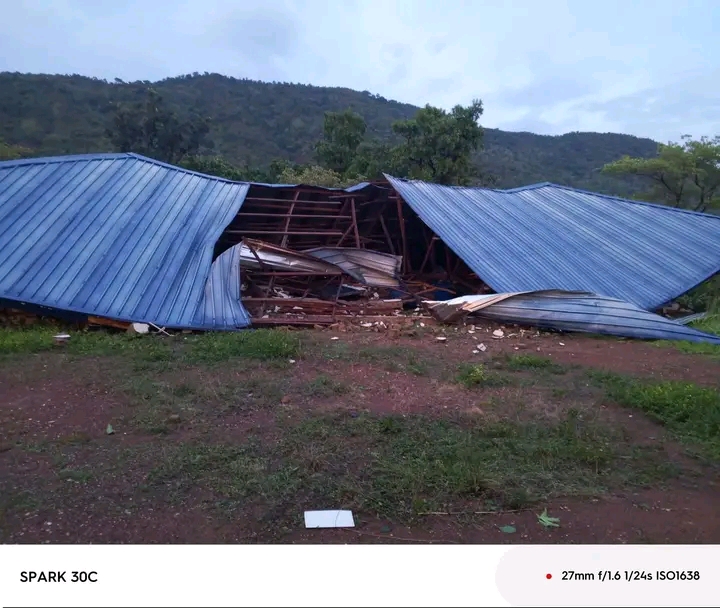
The incident comes barely two weeks after a destructive windstorm ravaged Leshiche and Shikpeche villages in Obanliku Local Government Area, leaving widespread destruction in its wake.
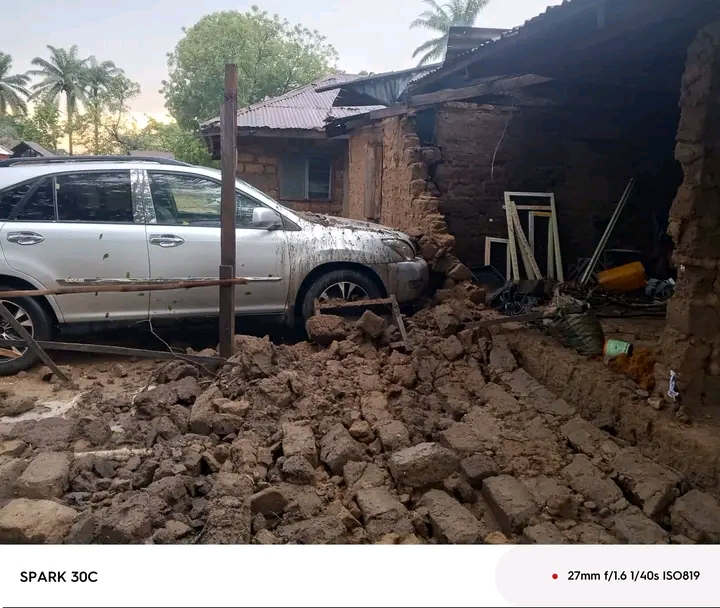
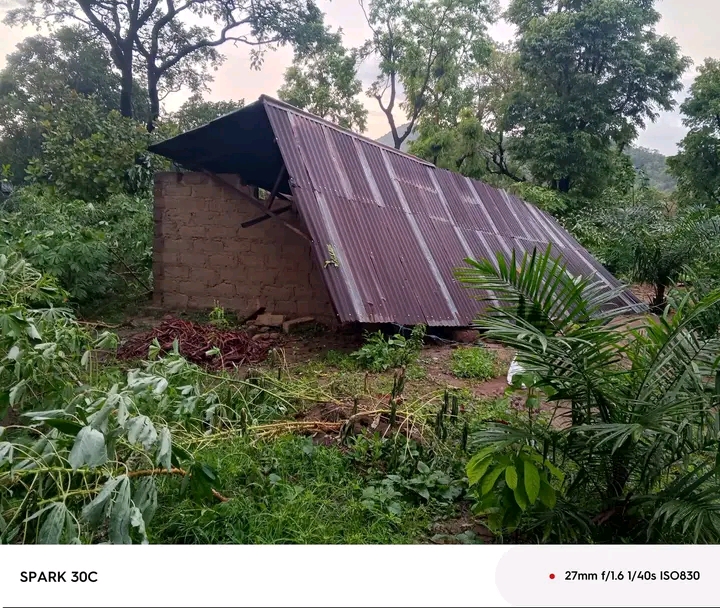
The storm, which struck on the night of April 29, 2026, reportedly began with mild rainfall before escalating into a violent windstorm that tore off rooftops, damaged homes, schools, and uprooted trees across the affected communities.
Residents said they panicked and helpless as buildings collapsed during the storm.
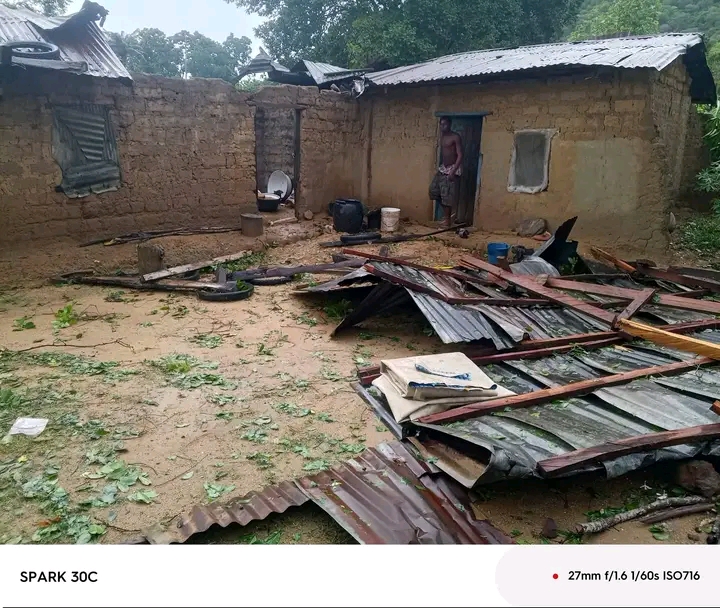
“We couldn’t sleep. Everybody was outside as roofs were blown off and buildings collapsed,” a resident told CrossRiverWatch.
Another resident said the storm intensified suddenly, catching many families unprepared.
“It started with a small breeze and rain, then suddenly turned into a storm we couldn’t handle. By morning, many things were destroyed, including the primary and secondary schools serving our communities,” the resident said.
Community leaders said properties worth millions of Naira were destroyed, while several families were displaced and left without shelter.
An elderly resident appealed for urgent government intervention.
“We have never seen this kind of destruction before. Many of us have nowhere to sleep. We lost almost everything in one night. The government should please come to our aid,” he said.
The disasters have raised concerns over environmental management, drainage infrastructure, and emergency response across Cross River State as the rainy season intensifies.
Affected residents in both Calabar and Obanliku are calling on the Cross River State Government and relevant emergency agencies to provide urgent intervention measures to prevent further hardship and loss.


Short Link:
Leave feedback about this