
By Sylvia Akpan
In a bid to safeguard one of Nigeria’s most ecologically important rainforests, the Renevlyn Development Initiative (RDI), has partnered with journalists in Cross River State to deepen advocacy through a targeted media training focused on the protection of the Ekuri Forest and its rich biodiversity.
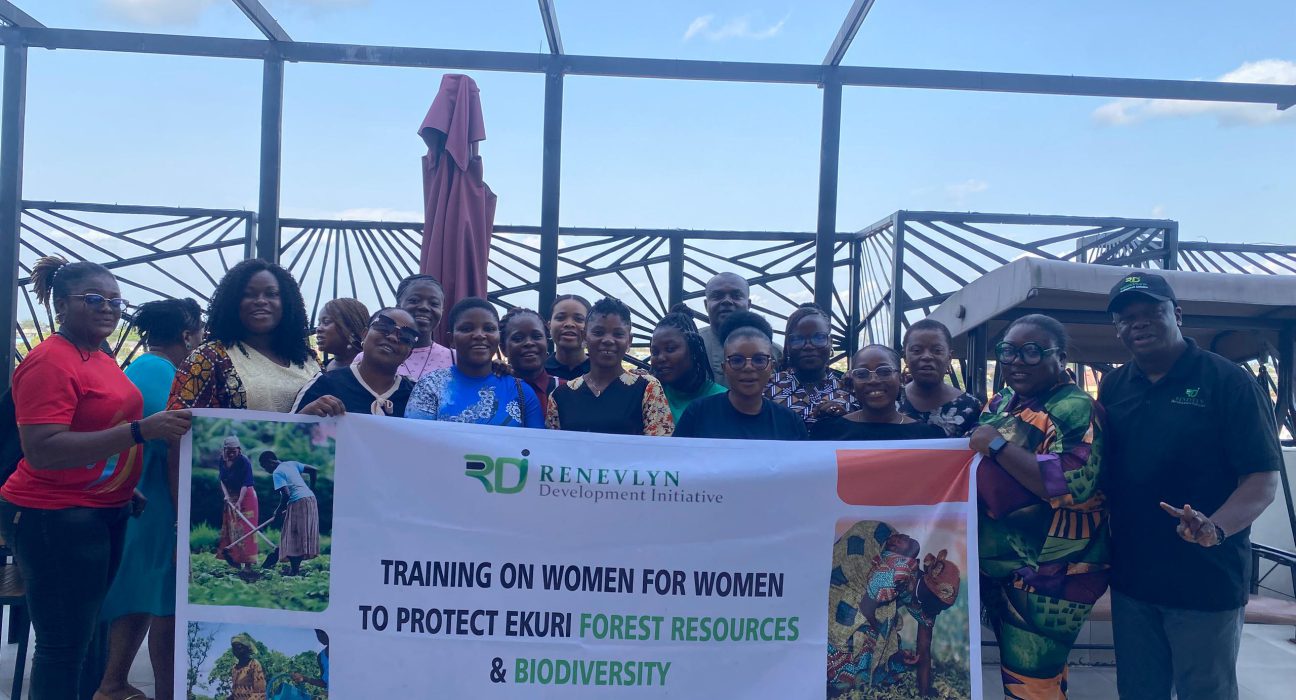
The engagement, held on Wednesday, March 25, 2026, at De Grande Hotel and Rooftop in Calabar, brought together environmental advocates, media practitioners, and women from the Ekuri community.
The training aimed to strengthen the capacity of journalists, particularly women, to amplify grassroots voices and draw attention to the growing threats facing the forest.
Moderating the session, RDI Project Officer, Linda Amadi, emphasized the strategic role of women journalists as both watchdogs and storytellers. She noted that their perspectives are critical in showcasing the experiences of Ekuri women, who are disproportionately affected by environmental degradation.
Amadi raised concerns over the escalating rate of illegal logging in the Ekuri Forest, citing data from Global Forest Watch which indicates that more than 540 square miles of tree cover had been lost in the area as of 2024. She alleged that over 200 truckloads of timber and other exotic wood are extracted from the forest, with local resistance often met with harassment and brute force from security personnel reportedly hired by logging operators.
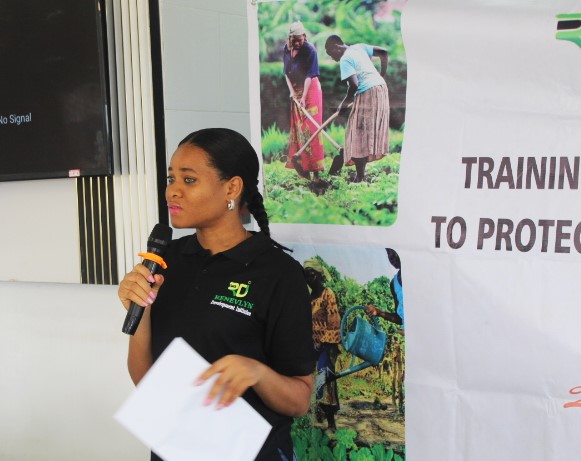
Delivering a presentation on “Reporting Women and Illegal Logging: What Is the Missing Coverage?”, international journalist Vanessa Adie Offiong challenged media practitioners to interrogate the structures enabling illegal logging. She questioned who commissions these activities and why the voices of affected women remain largely underreported.
Offiong stressed the severe impact of deforestation on women’s livelihoods, noting that many are forced to embark on longer, more dangerous journeys into the forest to source non-timber products such as afang leaves, hot leaf seeds, and moi-moi leaves. These journeys, she said, often expose them to snake bites, exhaustion, and other hazards.
She warned of the environmental and health risks associated with chemicals allegedly used by loggers to kill trees, describing their effects on air quality and subsistence farming. Despite these challenges, she observed that many women continue to rely solely on traditional knowledge to protect the forest, often without formal education or institutional support.
Offiong called on relevant government authorities, including the Commissioner for Women Affairs, to integrate the concerns of Ekuri women into policy frameworks and budgetary allocations, stressing that increased media coverage is essential to driving accountability.

Providing a broader perspective, journalist Augustina Todo, in her presentation titled “A Bird’s Eye View of the Challenges of Women in Ekuri,” recounted her visit to the community, describing its rich biodiversity, including rare bird and butterfly species, as well as the scenic Lohi Waterfall. She, however, lamented the growing environmental threats and urged journalists to use their platforms to advocate for the forest’s preservation.

In his keynote address on policy and legal frameworks, Mfreke Asigbe, Founder of Cypress Global Health, identified several gaps in efforts to combat illegal logging. These include weak enforcement of existing laws, lack of government accountability, violations of community forest rights, inadequate monitoring systems, and insufficient protection for environmental defenders.
Asigbe encouraged Ekuri women to engage more actively in political processes to ensure their concerns are represented in decision-making spaces.
The most compelling moments of the training came from testimonies shared by Ekuri women, who detailed the direct impact of illegal logging on their lives and livelihoods.

Agatha Chris Egot explained that the community has long practiced sustainable forest conservation, managing approximately 33,600 hectares of communal forest. However, she lamented the absence of incentives and support for their efforts.
“Our forest serves as a carbon sink, yet we are not recognized,” she said. “We depend entirely on the forest, but there has been no form of empowerment. The youth grew frustrated at conserving the forest without economic benefit, though interventions helped calm tensions. Still, illegal loggers, mostly outsiders, continue to exploit our land with empty promises. Ekuri is bleeding.”
Also, Mrs. Freda Francis noted a decline in agricultural productivity since the onset of logging activities, attributing it to environmental pollution.
“Our crops no longer yield as before, and our water sources are contaminated,” she said. “The chemicals used in logging affect both the soil and the air.”
She also emphasized the displacement of wildlife, explaining that animals such as elephants often flee their habitats due to the noise of logging machinery, posing safety risks to residents.
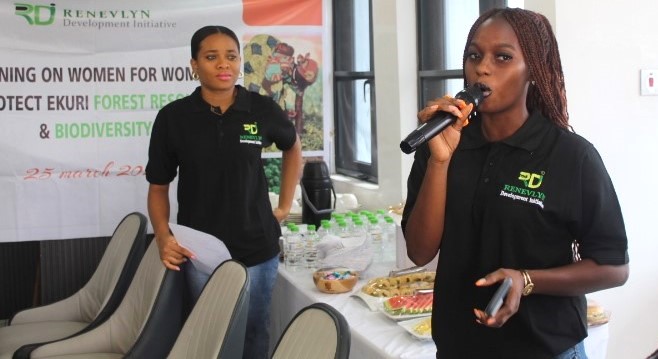
Another participant, Lucy Abel, described the economic strain on families, citing cases where parents could no longer afford to keep their children in school due to declining incomes.
“We are surviving only by God’s grace,” she said, calling for urgent intervention and support for the community.
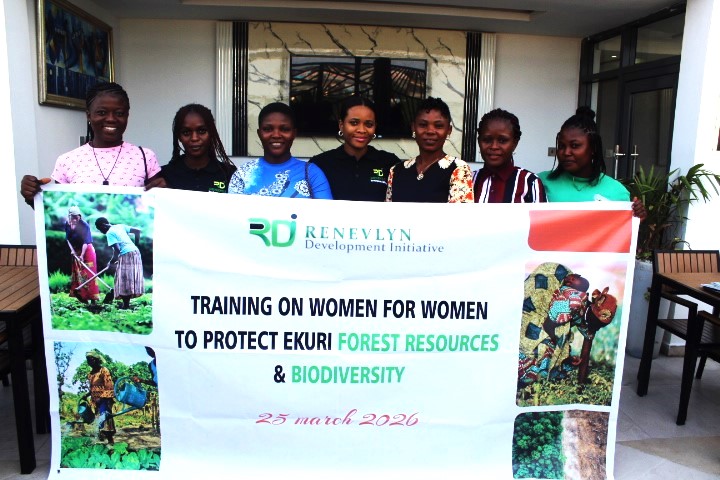
Highlight of the training was an interactive question-and-answer session, reinforcing the need for sustained collaboration between advocacy groups, the media, and local communities in the fight to protect the Ekuri Forest. It also featured group photographs.
Since You Are Here, Support Good JournalismCrossRiverWatch was founded on the ideals of deploying tech tools to report in an ethical manner, news, views and analysis with a narrative that ensures transparency in governance, a good society and an accountable democracy. Everyone appreciates good journalism but it costs a lot of money. Nonetheless, it cannot be sacrificed on the altar of news commercialization. Consider making a modest contribution to support CrossRiverWatch's journalism of credibility and integrity in order to ensure that all have continuous free access to our noble endeavor. CLICK HERE |
New Feature: Don't miss any of our news again.Get all our articles in your facebook chat box.Click the Facebook Messenger Icon below to subscribe now
Text Advert by CRWatch :Place Yours

Will You To Learn How To Make Millions Of Naira Making Special Creams From Your Kitchen?.Click Here
Expose Your Business And Make More Sales. Advertise On CrossRiverWatch.com Today
Leave feedback about this