By Kelvin Ololo
“The budget is beyond figures; it is a law and a process of resource mobilization. Those who steal our common wealth steal from the budget. We must follow the process and hold them accountable.”
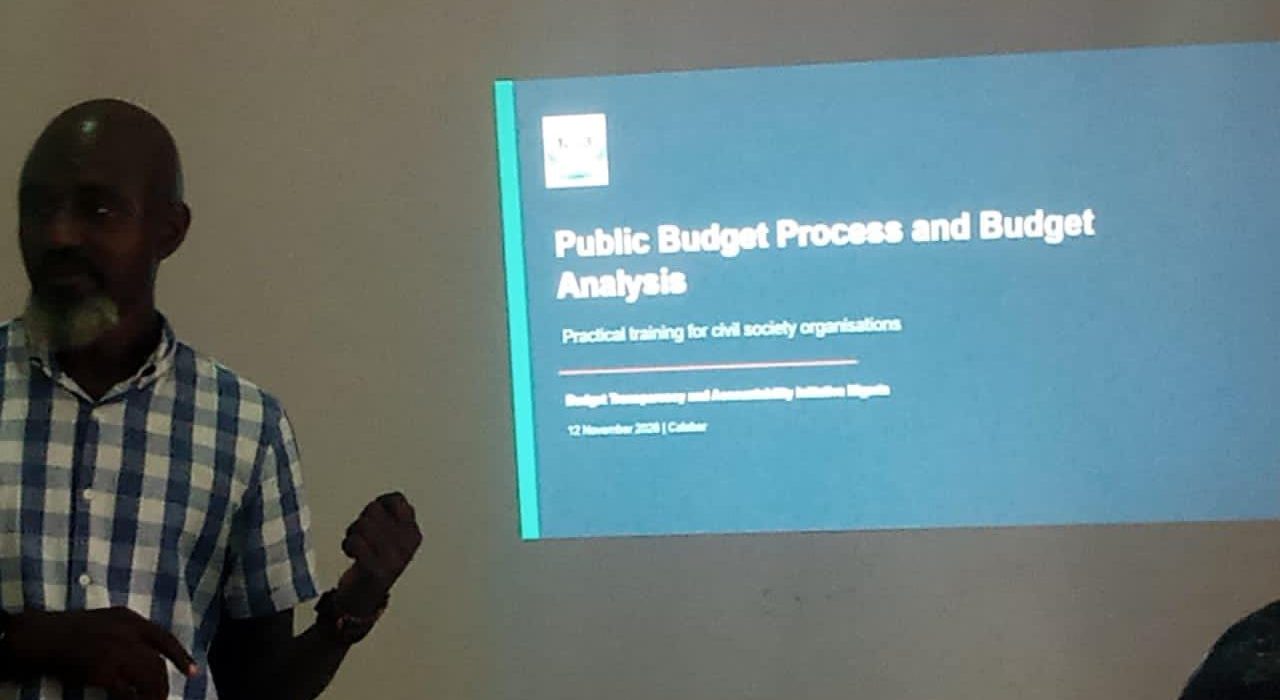
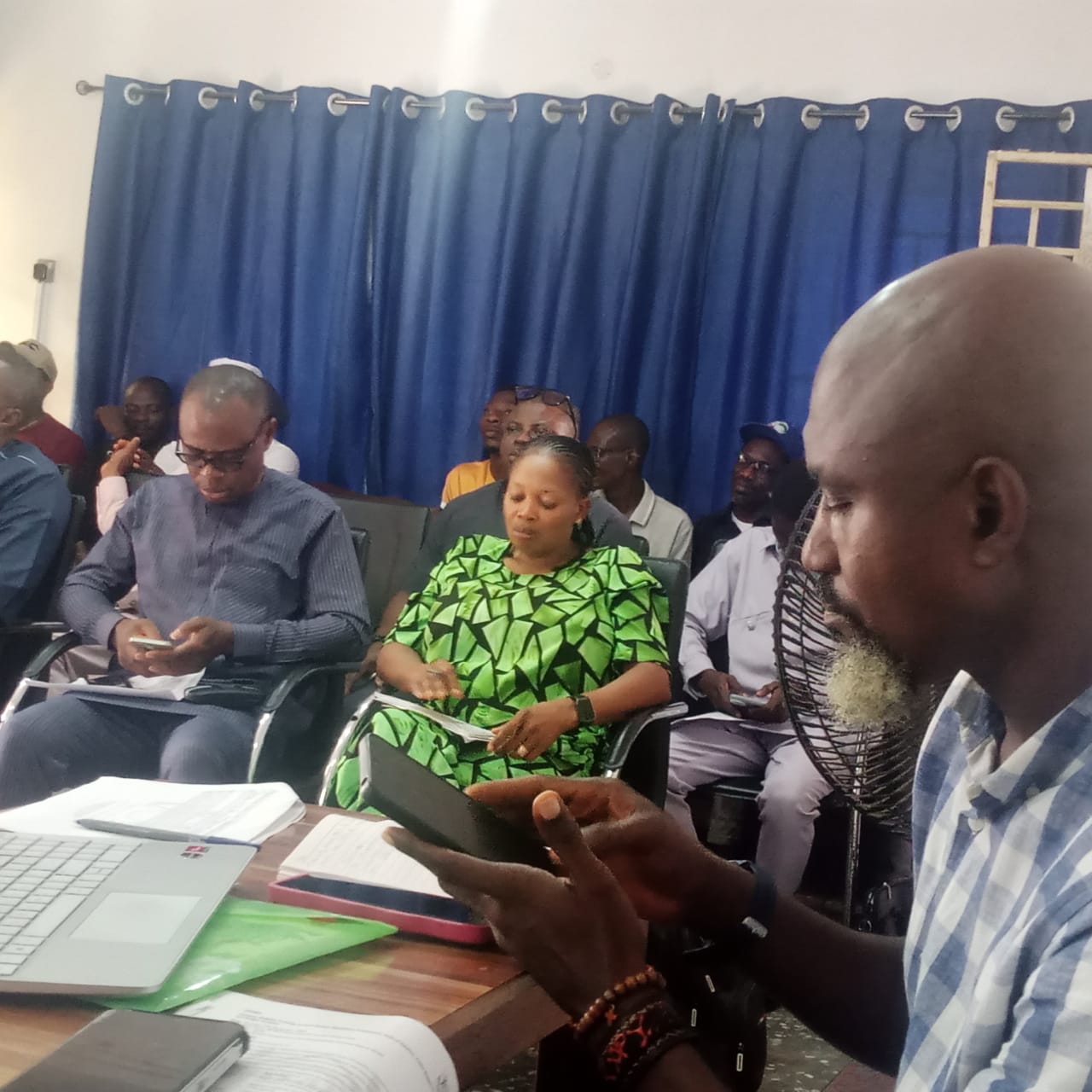
These were the words of the Executive Secretary of the Budget Transparency and Accountability Initiative Nigeria (BTAN), Mr. Kingsley Eworo, while addressing citizens and civil society organizations at a one-day training held at the We The People office in Calabar, Cross River State.
The workshop is designed to strengthen participants’ understanding of the legal and regulatory frameworks governing civil society organizations, improve organizational governance and accountability, and promote compliance with the CSO Code of Conduct.
It also sought to equip participants with practical knowledge of the stages, actors and documents involved in the public budget process, alongside skills for analysing government budgets and monitoring implementation.
Focused on capacity building in civil society regulatory frameworks, codes of conduct, public budget processes and budget analysis, brought together experts and civil society organizations to examine the proposed ₦987.81 billion Cross River State 2027 budget, which is undergoing scrutiny at the State House of Assembly.
Speaking during the budget analysis session, Kingsley Eworo, highlighted concerns over the proposed ₦127.343 billion domestic borrowing, representing approximately 12.9 per cent of the total budget, and the projected ₦60 billion debt service obligation.
He called on the State House of Assembly to reconcile the proposed borrowing with the state’s debt management strategy and the government’s public commitments regarding new loans.
According to him, the proposed borrowing and its implications for the state’s finances require proper scrutiny to ensure transparency and accountability in the management of public resources.
He urged Cross Riverians, civil society organizations and BTAN members to take an active interest in the budget process, noting that government spending decisions affect both present and future generations.
Kingsley encouraged participants to engage government officials and relevant public institutions throughout the budget process rather than leave budget monitoring to government agencies alone.
During the organizational capacity-building session, participants were encouraged to adopt self-regulatory measures to strengthen their respective organizations and establish effective internal governance systems.
Speaking as a facilitator, Eme Okang explained that self-regulation within civil society organizations does not necessarily mean government control or influence but involves standards, policies and internal rules established by organizations to guide their operations.
The training explored modules on organizational networking, codes of conduct, information services and institutional self-assessment, with participants urged to discharge their responsibilities diligently and ensure their activities align with established standards and policies.
The need for proper documentation and institutional accountability was also emphasized, as facilitators observed that some civil society organizations lose opportunities to access donor funding because of inadequate documentation and weak organizational structures.
They noted that donors and development partners often require transparency, proper documentation and evidence of self-regulation before entering into partnerships with organizations.
Non-governmental organizations were consequently urged to understand and follow the procedures involved in the public budget process while remaining committed to their respective objectives.
Short Link:
Leave feedback about this