By Peace Oladipo
Ayanfe Ikulayo stood in shock as three of her housemates rushed into her room after she let out a scream, one night in December. She had heard a loud blast in her sleep, leaving her disoriented and trembling.
The 26-year-old had just moved to Isara-Remo in Ogun State for administrative work at Gateway Polytechnic, Sapaade, a ten-minute drive from her new downtown home, where heavy blasting, strange to her, was the norm for others.
“Sleeping is routine for me after work. You can only imagine how I felt my entire life was over when I heard and felt the trembling sound in my subconsciousness,” Ayanfe recalled.
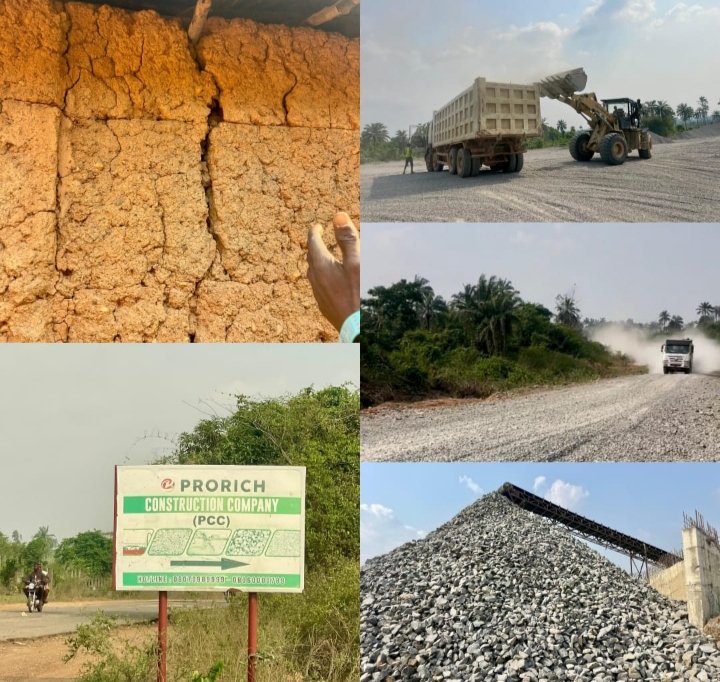
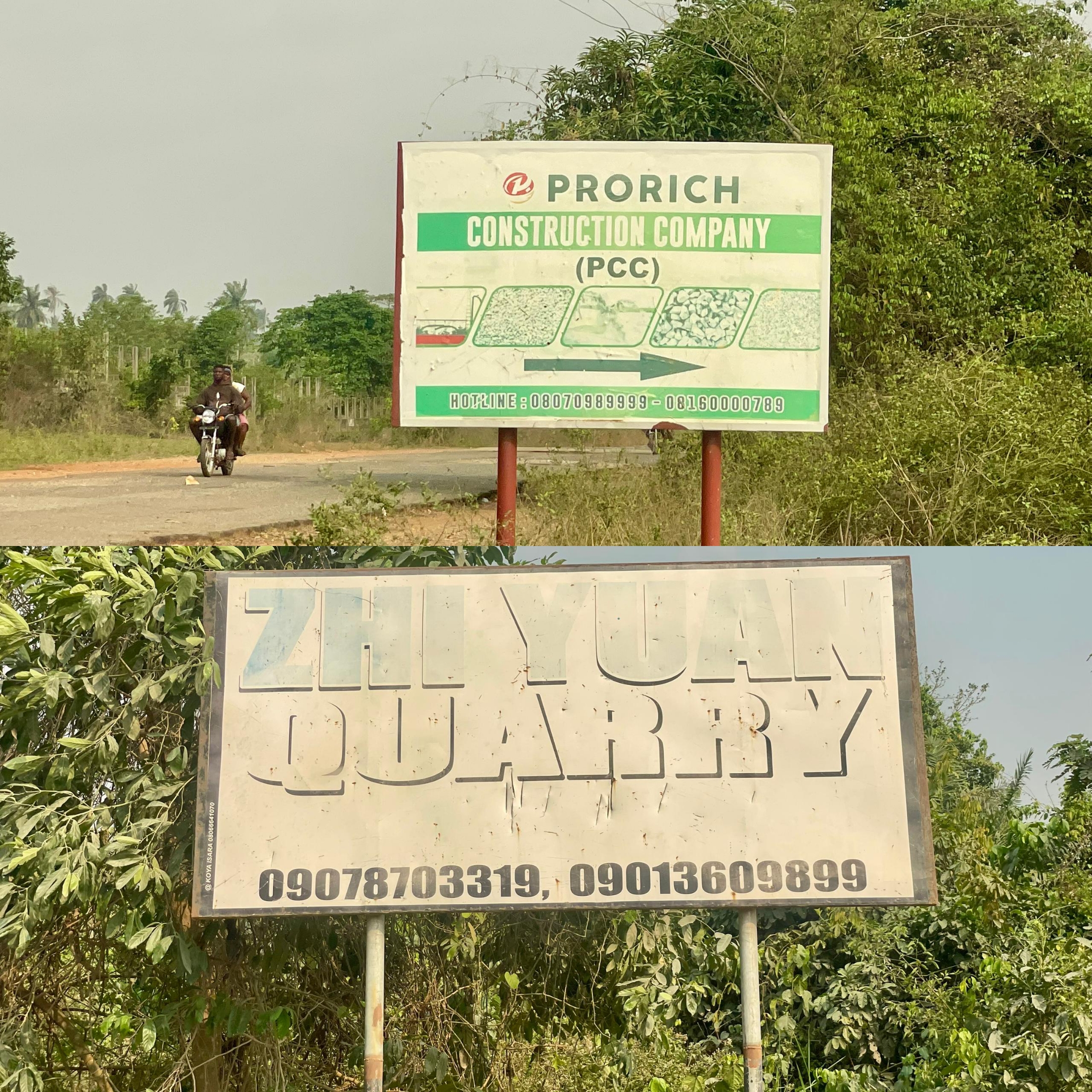
For years, a loud blast has echoed in the evenings in Isara-Remo, the town set on a hill, characterized by a basement of complex rocks, suitable for housing and construction. The genesis of the misery began about a decade ago when the eyes of Chinese companies – Prorich Construction Company and Zhi Yuan Quarry, caught the treasures within the community and decided to feast on it.
With the consent of the families who own the land with the large mineral deposit, quarry companies commenced work. However, as the natural resources are departing the town, other virtues are following.
Roads have been demolished, waters polluted, and future health crises have become a concern stemming from the rock blasting. And the community development groups are deeply interested in obtaining community development projects from multiple foreign enterprises.
Festus Kehinde, a public health expert, said that the residents are prone to serious health conditions that may not appear immediately but pose a looming danger due to their proximity to the rock-blasting operations.
He describes the rock blasting activities as a process that “reduces the quality of air the surrounding community breathes.”
He noted that the human body system may try to endure the effects of the blasting for a short time, “but, with long-term exposure to this air pollution, there can be lung infections, silicosis, fibrosis, and other respiratory diseases.”
Commercial motorcyclists in the community told CrossRiverWatch that more than three Chinese-owned quarry companies were actively operating on the outskirts of Isara-Remo and that they refused to embark on the journey to the quarry sites because of the bad and dusty road.
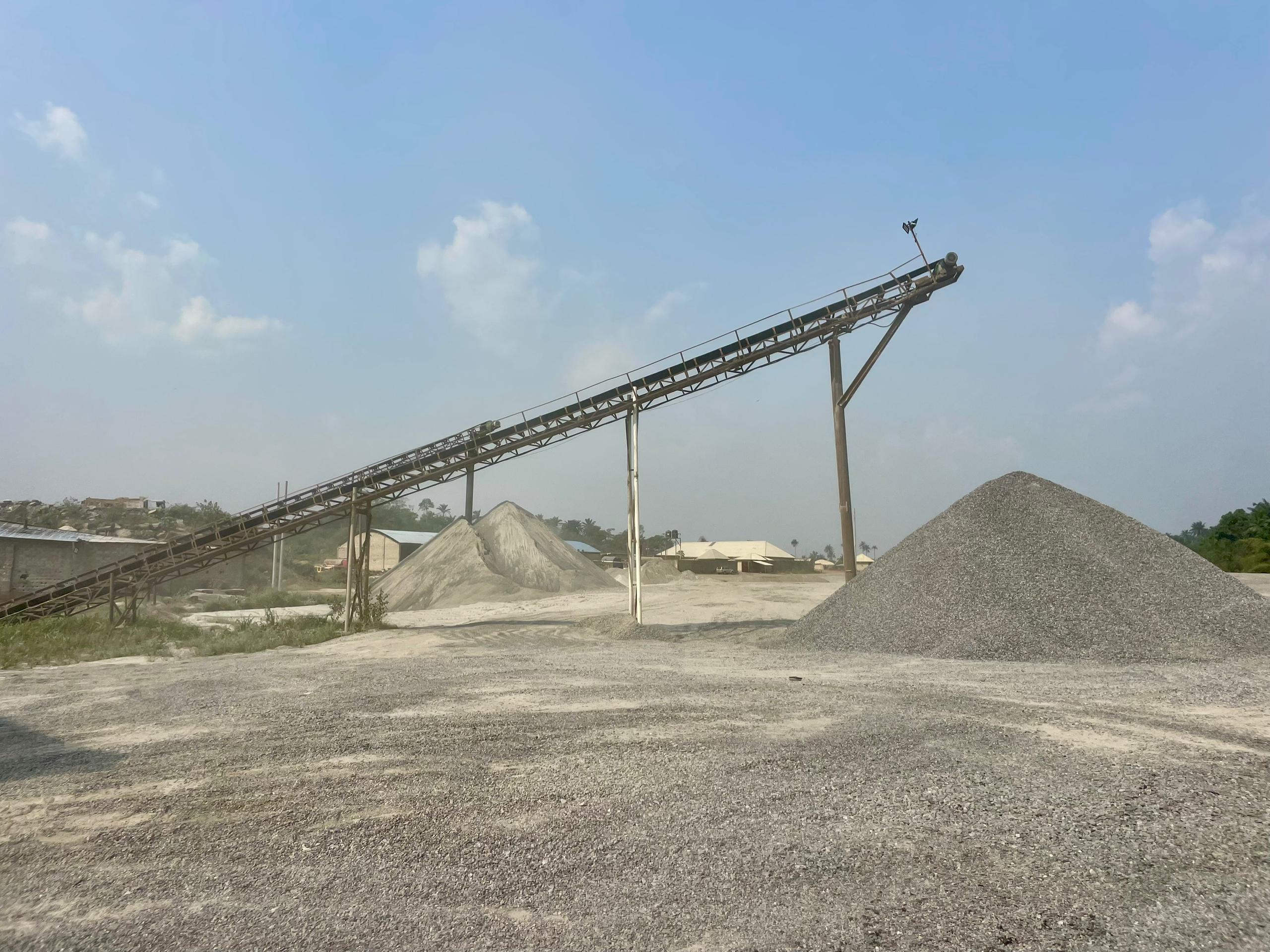
This reporter covertly gained access to one of the companies, Zhi Yuan Quarry, to understand its modus operandi at the rock-blasting sites. While Nigerians work in the security and transport units, the Chinese operate the machines, extracting the rocks and the breakage into smaller forms.
Multiple types of quarry products are produced after the blasting and extraction of the rocks. The extracted resources are fragmented into groups ranging from large dimension stone for buildings to crushed aggregate for concrete and road construction. An insider says some are exported while the rest are used for local civil engineering.
More Suffering For Surrounding Communities
National Environmental Regulations for Quarrying and Blasting Operations in Nigeria, stated in 2013 that “a person shall not locate a quarry or engage in blasting within three kilometers of any existing residential, commercial or industrial area.” Small communities under Isara, populated by indigenous farmers, are much closer than the stipulated distance.
In Odo Ajegunle 1, like the remaining agrarian communities in Isara-Remo’s outskirts, there is horrid living. The hamlet is one of the farming hamlets under Isara, where farming is the primary occupation of the residents. However, residents said the side effects from the blasting site a few meters away have prevented them from farming or living in peace.
Sola Akin, a community leader for Odo Ajegunle 1, shared harrowing experiences of being a resident and farmer in the community.
“The quarry is affecting us… let’s start from the smell,” he said.
In the process of blasting rocks, residents say that certain chemical explosives and mixtures are used, producing a distinct and overwhelming odour. “That smell makes everyone within this hamlet cough uncontrollably,” Sola disclosed. The acrid smell narrative is corroborated by many residents.
Activities Hinders Farming
Oluwagbemiga Alimi, an elder in the community, told CrossRiverWatch that dust from blasting activities has negatively impacted their farming system.
“They met us here; now, they are polluting our bodies and our source of livelihood,” he said.
“The dust falls upon the plants and makes the growth cease,” he added. To an average man, the crops look only dirty, but farmers with lived experience say it affects growth, resulting in poor harvests and overall output.
For decades, the hamlets have planted cocoa, cassava, banana, and other fruit trees, which flourished, were productive, and remained healthy before the Prorich Construction Company commenced blasting in the vicinity about five years ago.
According to research, dust disrupts normal leaf photosynthetic processes through stomatal closure and its constituents. This scientific study is the daily experience for Odo Ayegunle’s farming enterprise.
Cracked Walls And Negative Impacts
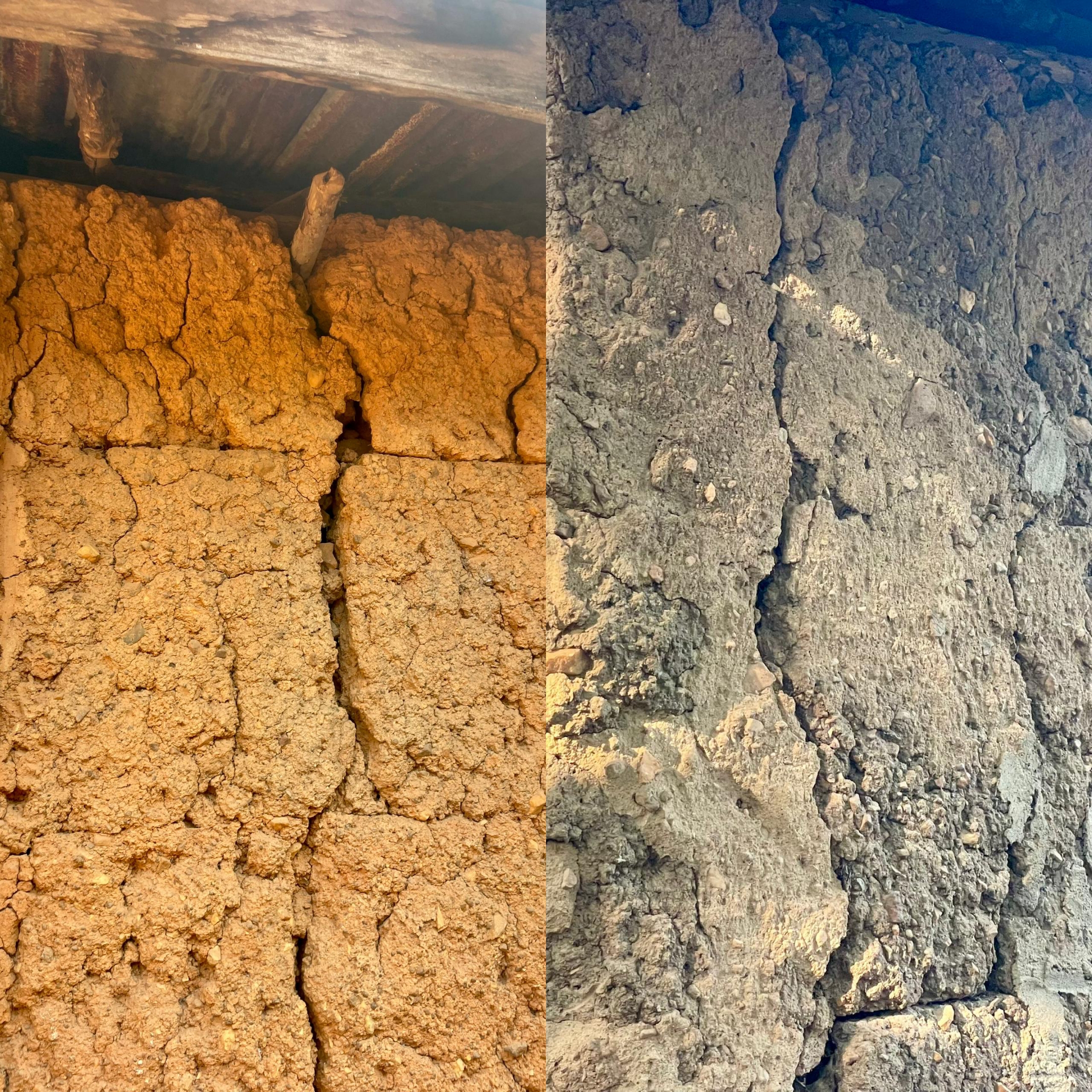
Another consequence of the blasting on the lives of the indigenous communities is the destruction of housing. In a rural community, most homes are made of clay and are quite traditional structures that have stood the test of time.
The explosions, however, have left indelible scars: from cracked wall linings to even wall collapses in homes.
“Yesterday’s blasting was even louder and worse than I have ever experienced. Thank God, I didn’t die,” Alimi expressed. “The foundations of the house were visibly shaking, while the noise was ear-deafening.” More frustrations were revealed as he took this reporter on a tour to show evidence of destruction on the houses.
Another resident said, “Because of this issue, many have relocated from these hamlets because of the constant blasting that occurs in the evenings.” A representative of the quarry visits the hamlet whenever blasting is scheduled, causing farmers to abandon their farming activities earlier than usual.
More than a dozen women and children were seen carrying plastic buckets filled with water from the river streams, about a 15-minute walk from their homes. This sight prompted shared stories of frustration over water changes.
Rachel Anyilo, a farmer from Benue State who lives in the community, said the company’s presence has caused the water to taste different.
“The chemicals have entered the water streams where we obtain water for drinking and other household purposes,” Rachel said.
Festus calls this, contamination. Confirming this is the study that reports on the chemical properties of quarry deposits and heavy metal concentrations in the water sources of the surrounding communities.
Despite these problems, the people of Odo Ajegunle have been helpless, as the company has paid the families who own the land for the rock extraction and the explosions. “Nothing can be done to stop the rock blasting operation,” some of the community leaders disclosed.
When asked about getting the government involved, Sola, the community leader, responded, “Who are we? How do we get across to the government?”
Nevertheless, despite the company’s operations not being halted, the community recently and collectively decided to solicit developmental projects from Chinese corporations.
“…they must develop our community. Water projects, hospitals, or solar power should be provided for us as a community affected by the rock blasting,” says Sola, referencing community development agreements.
The community told CrossRiverWatch that Odo Ajegunle 1 is working with a legal representative to request these development projects, in the hope that “if they are taken care of, the pain from the blasting will be suppressed”.
The Petition
In January 2026, a social group in Isara, Socio-Economic Vanguard, called for the state government’s intervention in the quarry’s “destructive” activities.
The group, led by Alhaji Taiwo Bakare, drew the government’s attention by submitting a petition and staging a public demonstration at the State House.
“For several years, our community has suffered utter neglect, intimidation, and unfair treatment at the hands of quarry operators and their collaborators,” he told journalists during the demonstration.
When this reporter reached out to Bakare, he reemphasized his position and revealed the rationale behind the movement.
According to him, being the host of the resources extracted by the quarry companies has been more of a curse than a blessing to the town. “The companies have not developed the community, yet they are demolishing the community; The road that was tarred has been destroyed, and great havoc has been inflicted on the public health of Isara.”
Before now, he says, the road linking Isara to Ago Iwoye was in perfect condition. However, the heavy-duty trucks transporting rocks and other products have reshaped the road into an ugly, deplorable, and dangerous route, reversing development.
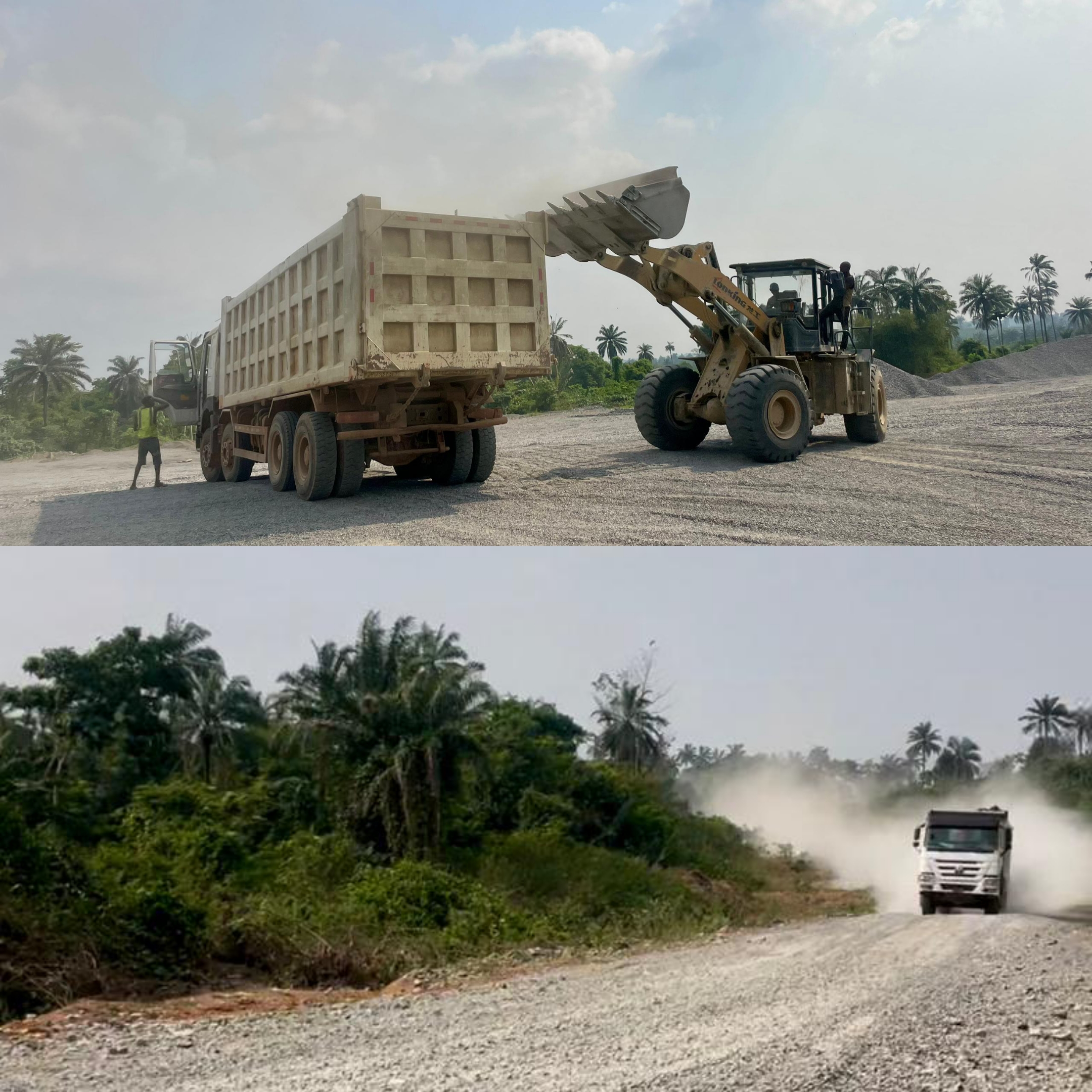
Interestingly, “there is a time limit for the Chinese operators to work. When they are done extracting the rocks, they will leave the community,” Bakare said. “The community will be left in devastation; therefore, the development projects must commence as soon as possible.”
Residents allege that Oba Albert Adebose Mayungbe, who passed on months ago, was used against his own people, as he was ‘settled’ and had a good relationship with the Chinese companies. His successor, Oba Oluwole Ogunbayo, however, was installed a few days ago.
Like Odo Ajegunle 1, the Vanguard group is fighting for the execution of the larger community development projects as prescribed by the Nigerian Minerals and Mining Act 2007.
Businesses in Nigeria have a voluntary approach to Corporate Social Responsibility (CSR). Mining companies are, however, required to provide the CSR projects and restitution for host communities.
Under the Mining Act, community development agreements aim to make development initiatives participatory and aligned with community needs.
Supporting this is Section 116 (1) of the Nigerian Minerals and Mining Act, 2007 which say that: “Subject to the provisions of this section, the Holder of a Mining Lease, Small Scale Mining Lease or Quarry Lease shall before the commencement of any development activity within the lease area, conclude with the host community where the operations are to be conducted an agreement referred to as a Community Development Agreement or other such agreement that will ensure the transfer of social and economic benefits to the community.”
This provision transformed CDA from a voluntary Corporate Social Responsibility into a legal obligation, compelling Mining entities to allocate resources and execute community projects, ensuring that the wealth generated from natural resources benefits the local population.
“Communities more impacted will have the community development, while Isara will also take on some projects. The hamlets are not recognized by the government, Isara-Remo is,” Bakare responded to the question of the appropriate host community.
Blasting And The Law
The Nigerian Minerals and Mining Act, enacted in 2007, was established not only to regulate mining activities but also to safeguard the environment and protect communities hosting solid mineral resources. The legislation guarantees the rights of host communities, provides for environmental rehabilitation, and prescribes penalties for violators.
However, the findings indicate that companies operating in Isara-Remo and neighbouring communities have largely ignored several environmental and mining regulations governing their operations. A review of these laws suggests that the companies may have breached multiple provisions.
Apart from the faulting proximity, there is a disregard for Section 22 of the National Environmental Regulations, which provides that “A person shall not blast in such a way that the impact of such blast will cause any form of discomfort or nuisance to the public and residents within 1,000 meters from the epicenter of the site or users of the road thereof.”
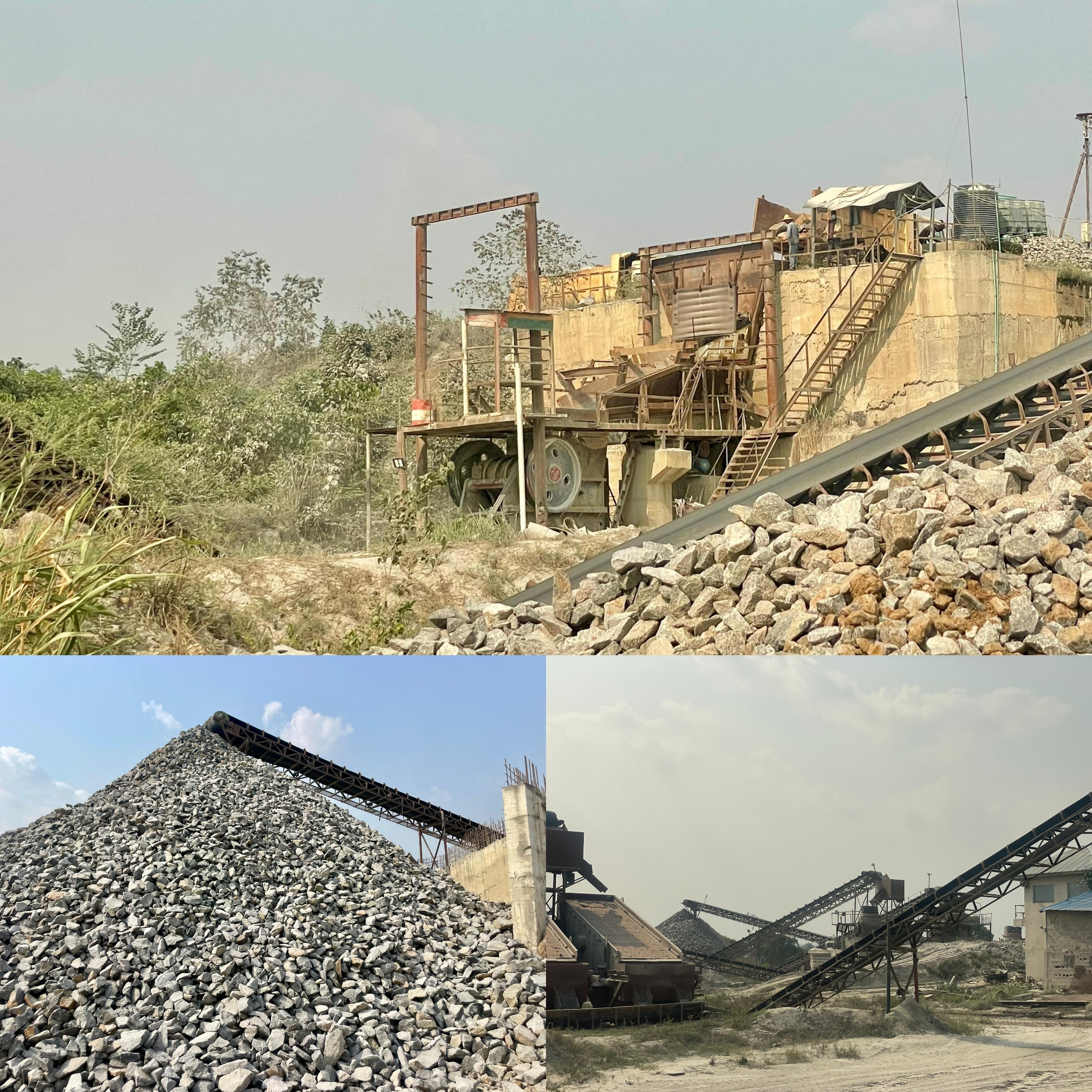
On the issue of water pollution, the law extends protection not only to host communities but also to surrounding settlements that may be affected by mining activities.
“No person shall in the course of mining or exploration for minerals pollute or cause to be polluted any water or watercourse in the area within mining lease or beyond that area,” section 123 of the Mining Act states.
As earlier highlighted, residents allege that the activities of these companies have negatively impacted their communities through structural damage to houses, pollution of water bodies, destruction of farmlands, and other forms of environmental and social discomfort.
Similarly, the Environmental Impact Assessment (EIA) Act of 1992 condemns the kind of environmental pollution reportedly experienced in Isara-Remo and neighbouring communities.
“(1) The public or private sector of the economy shall not undertake or embark on or authorize projects or activities without prior consideration, at an early stage, of their environmental effects.
“(2) Where the extent, nature or location of a proposed project or activity is such that it is likely to significantly affect the environment, its environmental impact assessment shall be undertaken in accordance with the provisions of this Act,” section 2 (1)(2) of the Act states.
“Unpardonable Injustice” – Government Support Host Communities
“There was a meeting in March in Abeokuta where the issue was discussed by the ministry in charge. They promised to resolve the issue,” said Bakare. The Ogun State Mineral Resources Development Agency was unreachable via its publicly available contact details.
In some national dailies, Dele Alake, minister for solid minerals development, set a deadline of December 31, 2025, for quarry companies licensed by the Nigerian Mining Cadastral Office (MCO) to finalize community development agreements with their host communities.
“Refusal to protect the Nigerian people by agreeing with them on what the communities will gain from the mineral exploitation of their land is criminal expropriation, and an unpardonable injustice. This administration is not going to treat any company found guilty after this deadline with kid gloves. Their licences will not only be revoked, but they will also be asked to pay reparations for the minerals carted away,” Alake said. However, these companies have ignored this instruction.
Efforts to reach the PCC for comment were met with silence. Several calls placed on the company’s official contact lines were not connecting, even at the time of filing this report.
Likewise, an email enquiring about the company’s CSR plan was sent to the official address publicly available on their website, but no response was received.
This report is produced with support from Civic Media Lab, under its Grassroots News Project (GNP).
Short Link:
Leave feedback about this