By Christopher Iyang
The National Human Rights Commission (NHRC), in collaboration with the United Nations High Commissioner for Refugees (UNHCR), trains and equips Crowd Sourcing Network on crucial capacity-building workshop aimed at responding to a fundamental gap in the protection of Internally Displaced Persons (DPs) / Forcibly Displaced Persons (FDPs) across the seven project States of Adamawa, Akwa Ibom, Benue, Borno, Cross River, Taraba and Yobe.
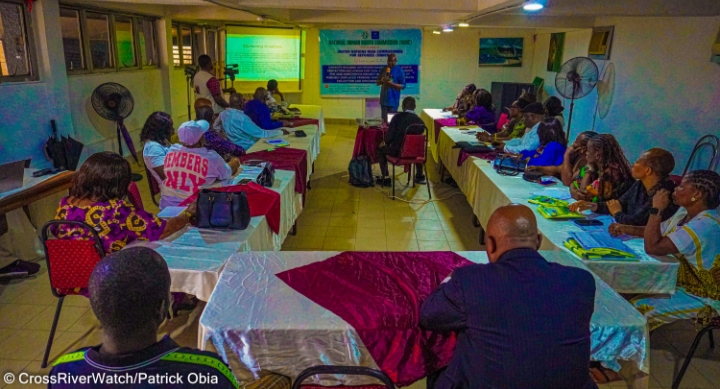
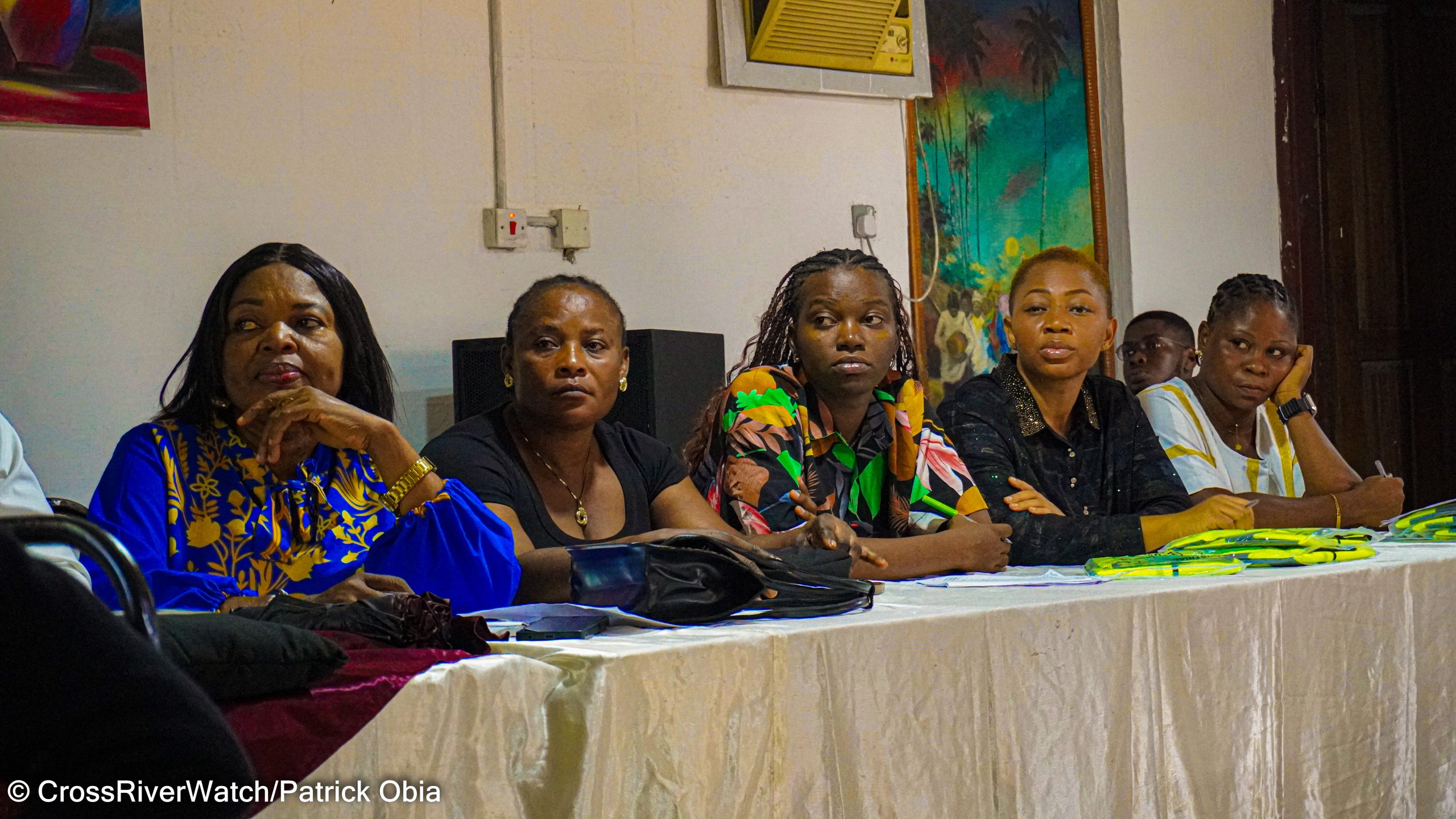
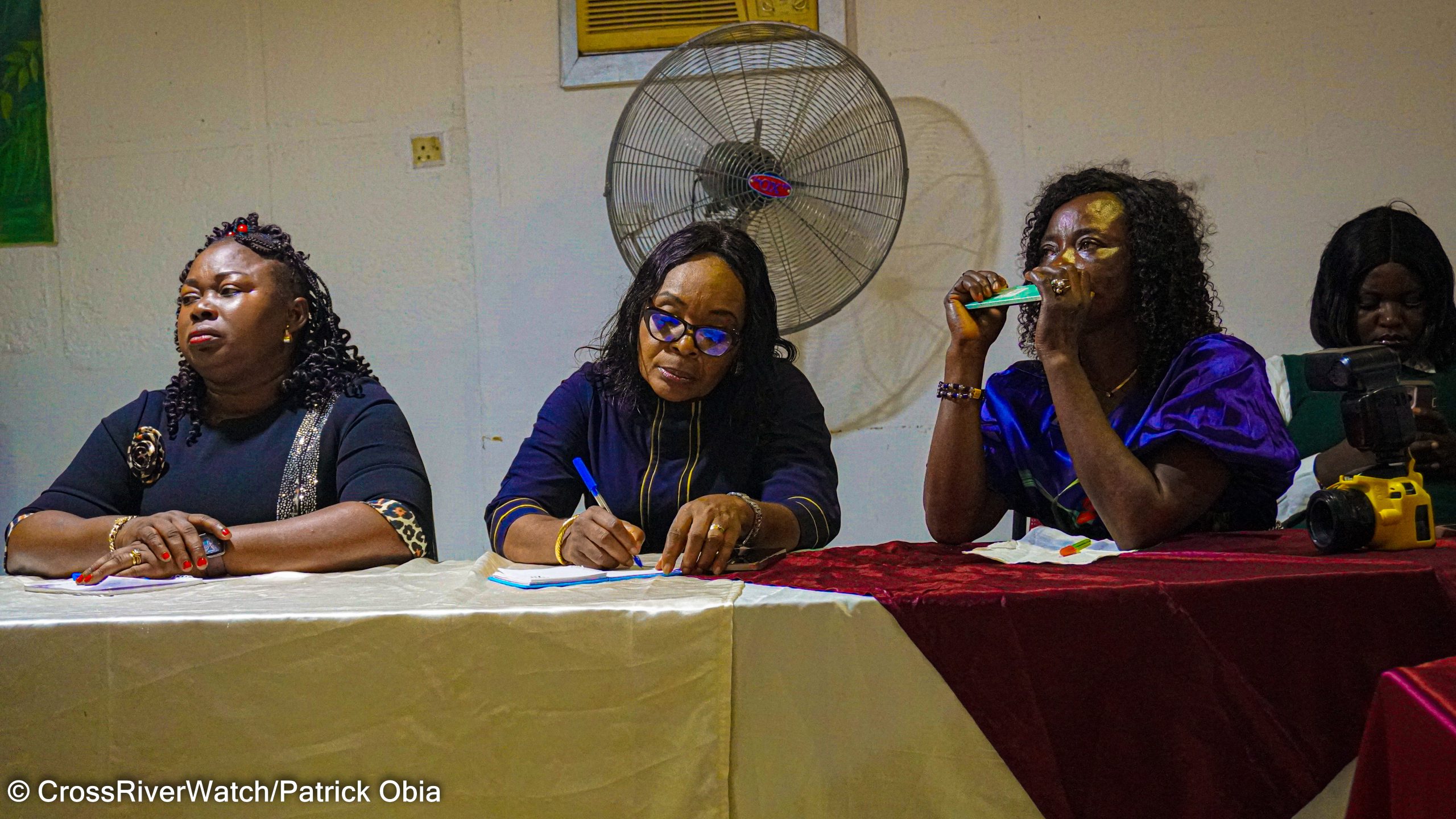
The workshop, which commenced on June 29 and runs till June 30th, 2026, in Calabar, brought together representatives of Civil Society Organizations (CSOs), Community-Based Organizations (CBOs), government agencies, community protection groups and human rights monitors.
In his address, the Executive Secretary of NHRC, Dr. Tony Ojukwu said the continuous attacks and conflicts experienced in the country, and the delay in responding to and addressing protection issues, highlight the need for timely, verified, and actionable early warning information on security incidents, displacement movements, and human rights protection risks to ensure rapid response and protection of displaced persons and host communities.
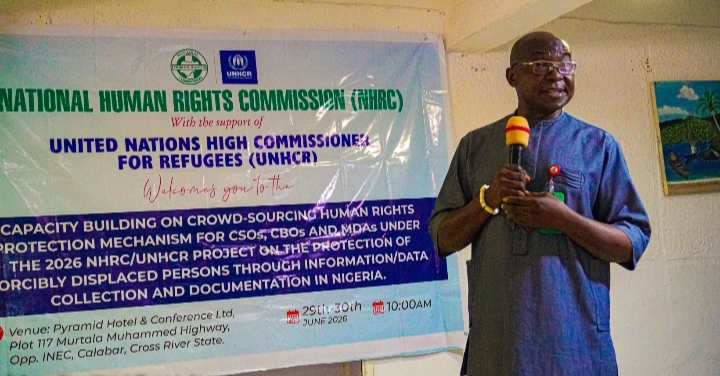
Dr. Tony who was represented by the Special Assistant and Head of Monitoring/Project Coordinator, UNHCR/NHRC, Dr. Ben O. Agu, noted that across the project states, displacement, security incidents, human rights and humanitarian protection risks, such as access to health, shelter, documentation, freedom of movement, socio-economic rights, safety and security, justice, access to asylum and sexual and gender-based violence are daily realities that can be reported on time through safe, trusted and reliable channels.
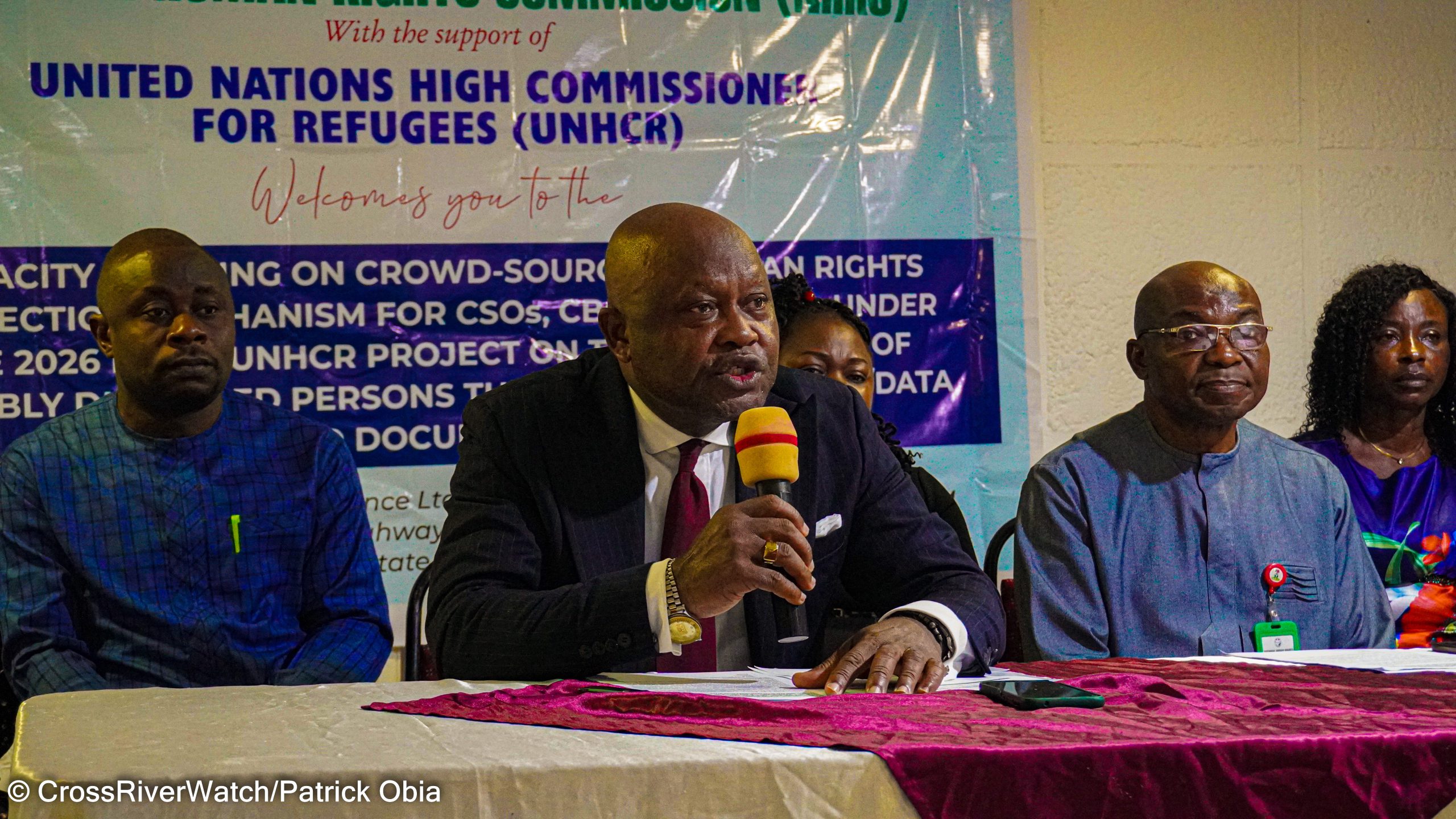
He said the NHRC/UNHCR project for 2026, in a bid to close the gap, designed the capacity training workshop across the seven project states to equip participants in prompt reporting to enhance the protection of IDPs/FDPs.
The Executive Secretary said the gesture will ensure rapid response to data collected from the states, create synergy among the different organizations involved in human rights protection services, thereby avoiding duplication of work, and have all information on human rights protection domiciled in one place for easy access and rapid response.
He disclosed that it will also enhance daily monitoring and verification of human rights violation incidents in hard-to-reach areas of the project states. In essence, he said the training will transform a crowd of individuals into a coordinated early warning system.
Dr. Ojukwu assured that at the end of the two days event, participants will learn how to gather information and submit reports securely, verify information ethically, protect confidentiality, and use digital tools to support advocacy and rapid response to address human rights protection issues.
“You will also be trained to categorize incidents into actionable alerts, such as safety and security, child protection, sexual and gender-based violence, health, education, justice and shelter,” he said.
The first technical session was delivered by Mr. Remi Ajuga – State Coordinator of the National Human Rights Commission, Cross River State, who presented on the “mandate, functions, best practices and challenges” of the Commission.
He explained the Commission’s role in promoting and protecting human rights and encouraged participants to actively identify, document and report cases of human rights violations affecting displaced and vulnerable persons.
Mr. Ajuga said the NHRC activities also include assistance to victims whose rights have been infringed upon – establishment of National Action Plan (NAP), establishment of human rights fund and taking a lead in its operationalization, establishment of human rights desk and quarterly dialogue for addressing issues of human rights violations by the military.
Others include referring any matter of human rights violation to the appropriate authorities for prosecution, interventions on several and critical human rights issues, establishment of National Human Rights Institute, publication of monthly human reports, play Law Review and Advisory Services and among others.
He averred that the Commission also engages in Alternative Dispute Resolution to settle issues that might not need court and other litigation, especially family related cases through Memorandum of Settlement (ToS) and Memorandum of Understanding (MoU).
Speaking on “Understanding UNHCR Mandate and the Humanitarian Situation in Nigeria”, Team Lead of Caritas Nigeria, Calabar, Nnosu Onyeka roles out duties of the Agency to include protection and finding solution to for refugees, IDPs, Asylum seekers and other classes of people whose human rights have been violated.
She emphasized the importance of community participation in reporting human rights violations and protection of victims.
Other sessions focused on the legal framework for human rights protection at the national, regional and international levels, the humanitarian situation in Nigeria, and human rights-based approaches to protecting displaced populations.
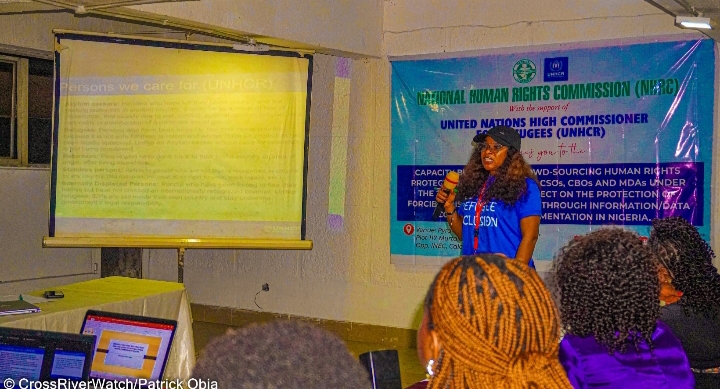
Discussions also examined issues affecting refugees, asylum seekers, returnees and internally displaced persons, as well as sexual and gender-based violence (SGBV) and conflict-related sexual violence (CRSV).
Participants were urged to become human rights advocates within their communities by promoting awareness, monitoring violations and supporting initiatives that protect the rights and dignity of vulnerable persons.
The workshop continues on June 30 with additional sessions aimed at strengthening collaboration among government institutions, civil society organizations and local communities in protecting the rights of displaced persons.
Short Link:
Leave feedback about this