By Kelvin Ololo
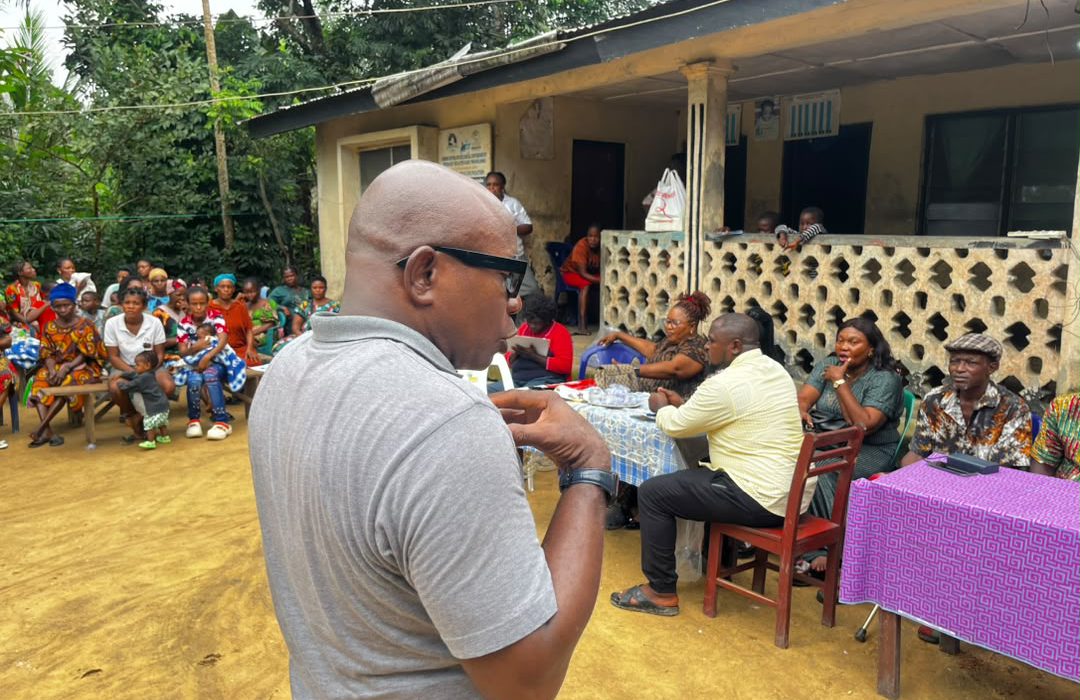
A sustained campaign to improve maternal and child health in Cross River State has gained momentum as the State Mobilization and Technical Committee (SMOTEC) intensified its community sensitization program in Odukpani Local Government Area.
The intervention, supported by UNICEF, focused on five key areas considered critical to family and community well-being: antenatal care, birth registration, exclusive breastfeeding, immunization, and the eradication of open defecation.
The program was initiated in response to the persistent challenges faced by women in rural communities during pregnancy and childbirth, as well as cultural and traditional practices that continue to limit access to antenatal services and routine immunization for children under two years of age.
Addressing participants during the sensitization program held on August 17, 2026, at the Efut Ibonda Community Primary Health Center, the Program Officer, Mr. Nakanda Amboni Iyadim, explained that UNICEF’s goal is to encourage every member of the community to become actively involved in promoting healthy practices that can reduce preventable deaths among mothers and children.
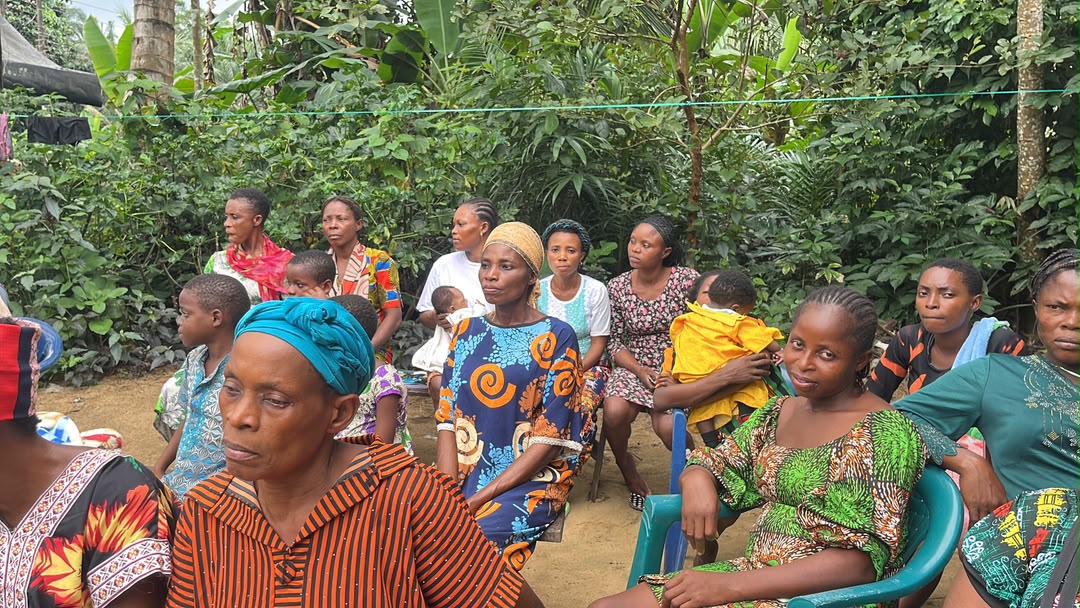
He emphasized that the first 1,000 days of a child’s life, beginning from pregnancy until the child reaches two years of age, remain the most critical period for growth and development.
According to him, communities can significantly improve maternal and child health outcomes by supporting pregnant women to attend antenatal clinics, ensuring that every child is registered at birth, promoting exclusive breastfeeding, encouraging complete immunization, and maintaining proper sanitation practices.
The sensitization program also revealed encouraging progress in the community.
Speaking on the level of improvement recorded so far, the resource person, Mr. Agaji Ntemu, disclosed that community participation in the identified health practices had improved by 84 percent since the beginning of 2026.
He, however, urged residents not to become complacent, encouraging them to continue implementing the action points agreed upon during previous engagements to achieve even greater progress.
Similarly, the Technical Support Officer of the National Orientation Agency, Mrs. Juliana Atialikong, commended community leaders and residents for the significant reduction in open defecation.
She noted that while the community had achieved an 84 percent success rate in addressing the practice, more work remained to be done.
Mrs. Atialikong encouraged families to ensure that every household owns a toilet to completely eliminate open defecation and achieve the target of 100 percent compliance.
One of the highlights of the program was a practical demonstration on exclusive breastfeeding conducted by the Coordinator of the Baby-Friendly Initiative (BFI), Mrs. Anashie Margaret.
During the session, she educated nursing mothers on the proper techniques for breastfeeding, highlighting four essential steps for effective attachment: ensuring the baby’s mouth is wide open, positioning the baby’s chin against the breast, ensuring the areola is properly inside the baby’s mouth, and allowing the lower lip to turn outward.
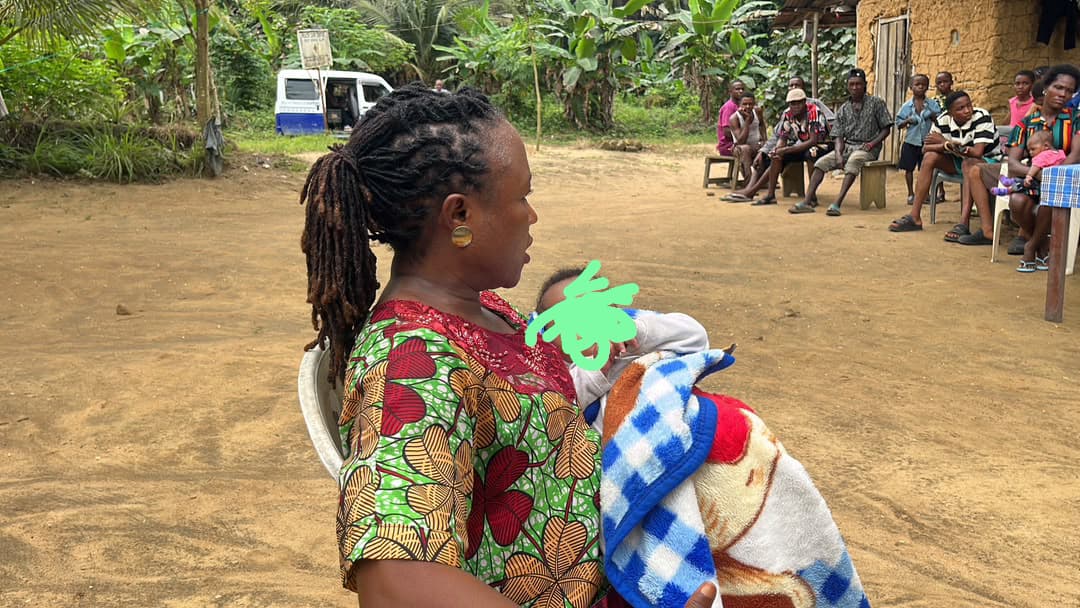
She explained that proper positioning not only improves the flow of breast milk but also enhances comfort for both the mother and the child.
Health experts at the program stressed that exclusive breastfeeding during the first six months of life strengthens a child’s immune system, while routine immunization protects children from preventable diseases.
They also noted that birth registration gives children legal recognition and access to essential services, while regular antenatal care helps health workers detect and manage pregnancy-related complications early.
Responding on behalf of the community, the Village Head of Akai Ibonda, Chief Asikpo Effiong Etim, praised SMOTEC and UNICEF for bringing the campaign closer to rural residents.
He pledged that community members would continue to implement the recommendations from the sensitization exercise and ensure that the message reached every household.
The traditional ruler also appealed for the expansion of healthcare facilities in the area, noting that the only available health post currently serves 22 villages, making access to healthcare difficult for many residents.
Other stakeholders at the event, including the representative of the State Director of the Ministry of Information, Mrs. Rekpene Uket, also commended the intervention and encouraged residents to sustain the positive changes already recorded.
The program drew a curtain closed with an interactive question-and-answer session, allowing community members to seek clarification from health experts and discuss practical ways of improving the health and well-being of women, children, and families in the community.
Short Link:
Leave feedback about this