By Kelvin Ololo
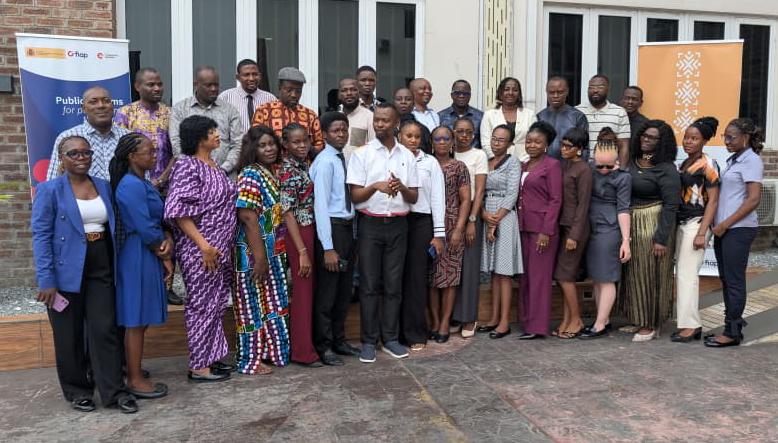
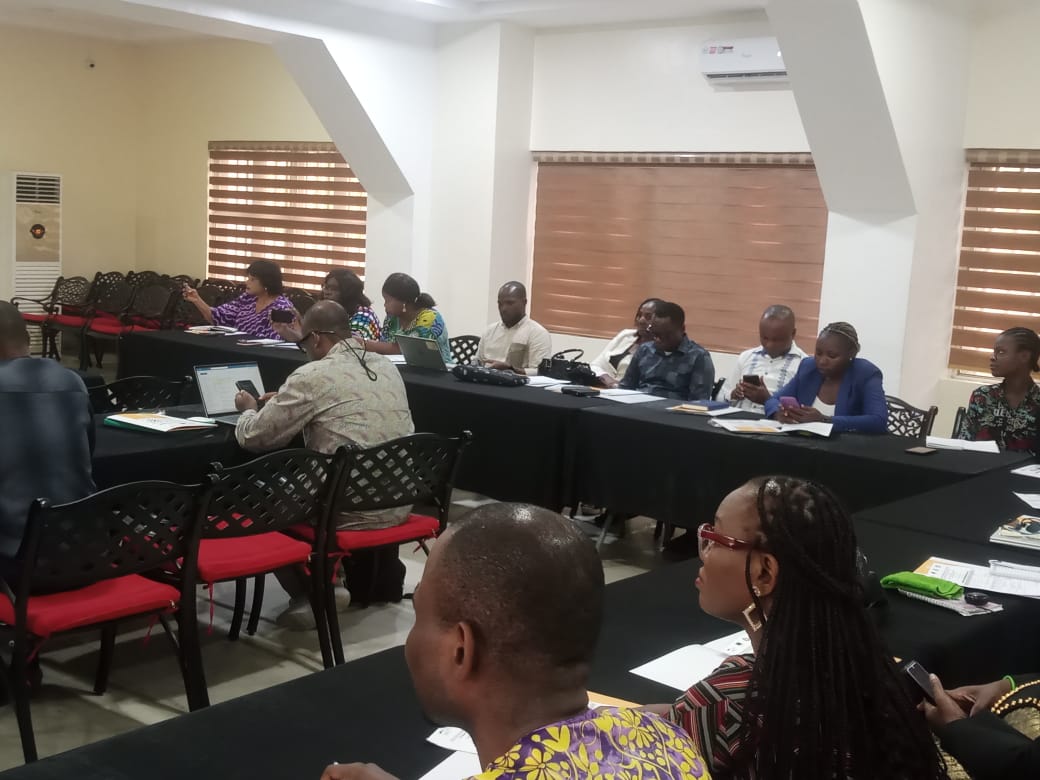
As Nigeria prepares for future electoral cycles, no fewer than 35 media professionals and civil society actors from Cross River, Akwa Ibom, Rivers, Bayelsa, Delta, and Edo states are participating in a three-day specialized conference on countering disinformation, fake news, misinformation, and hate speech in electoral processes.
The conference, which began on 23 February and will end on 25 February 2026, is held in Uyo, Akwa Ibom State, under the European Union funded Support to ECOWAS in Peace, Security and Governance (EPSG) Project.
The workshop is organized by Fundación para la Internacionalización de las Administraciones Públicas (FIAP), F.S.P., a Spanish public foundation, as part of the EU Support to ECOWAS in Peace, Security and Governance (EPSG) Project. FIAP is implementing Component 3 of the EPSG Project in West Africa in collaboration with GIZ (Deutsche Gesellschaft für Internationale Zusammenarbeit). The initiative is co-financed by the European Union (EU) and the German Federal Ministry for Economic Cooperation and Development (BMZ).
At the commencement of the workshop, the Technical Advisor On media and CSOs, Joseph Osuigwe, explained that the training is structured to strengthen peaceful electoral processes across the South-South region by equipping journalists and CSOs with practical tools to identify, analyze, and counter coordinated disinformation campaigns, inflammatory rhetoric, and manipulated political content especially those amplified through social media, online platforms, and broadcast channels.
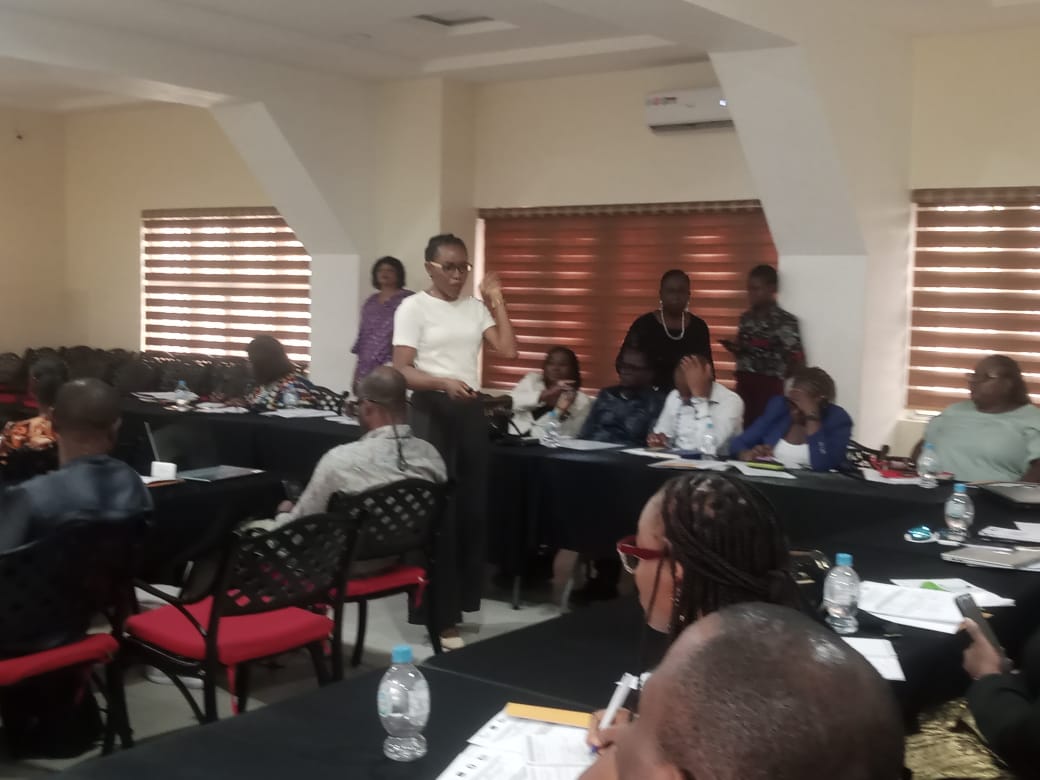
He emphasized on ethical, conflict-sensitive, and peace-oriented reporting during politically sensitive periods, saying that participants are also being trained on the responsible use of digital tools to prevent the spread of false narratives capable of inciting violence or deepening political divisions.
Delivering a session on “Introduction to Disinformation, Misinformation, Fake News and Hate Speech in Electoral Contexts,” the Assistant Editor Dubawa, Lois Ugebede underscored the ethical obligation of media practitioners in safeguarding democratic integrity.
“We have a bigger role in factual presentation of information as news men and women. Don’t spread it until you verify it first. Don’t trade accuracy for speed,” she said.
Ugebede noted that electoral seasons are particularly vulnerable to information disorder, warning that speed-driven reporting without verification could unintentionally legitimize falsehoods and escalate tensions.
In an interview with CrossRiverWatch on the sidelines of the conference, a veteran journalist and Co-Publisher/Managing Editor of National Point Newspaper, Chief Constance Meju, echoed the message of professional responsibility.
She said that “Journalists own the public right to information, that’s why responsibility is on us to confirm reports and not be manipulated by political actors,”
Meju stressed that political stakeholders often attempt to weaponize the media space during elections, making it imperative for newsrooms to strengthen internal verification systems and uphold editorial independence. She added that the credibility of the press remains central to democratic stability, particularly in politically charged environments.
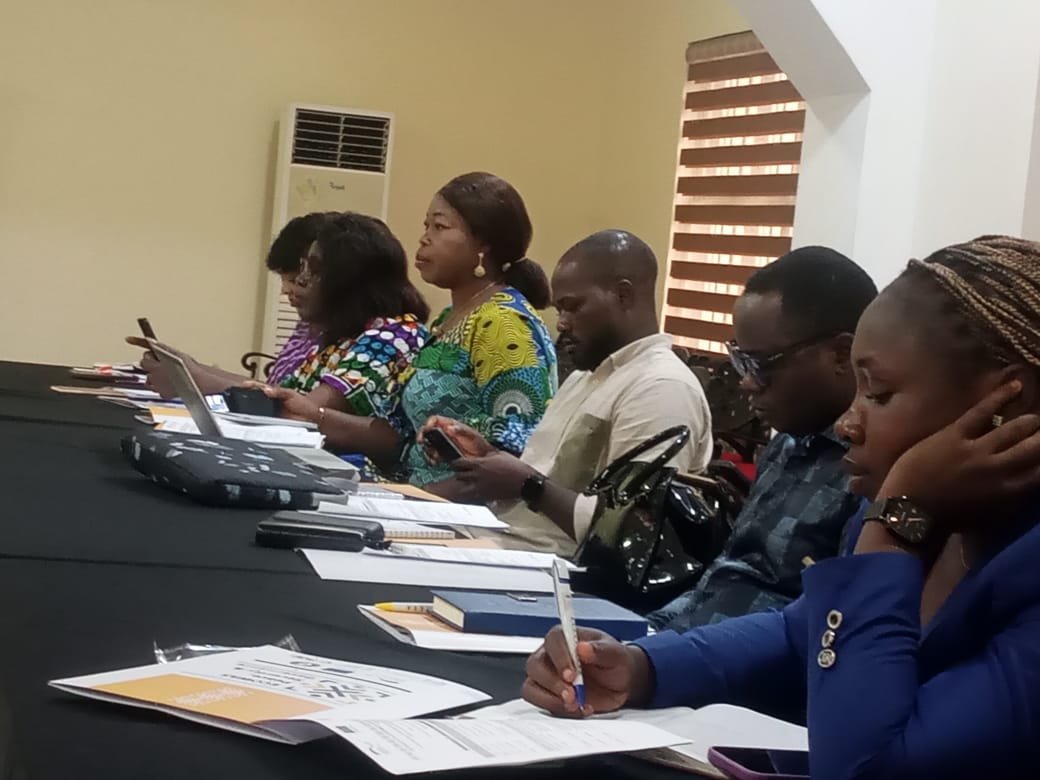
Beyond technical sessions, participants are expected to design and implement #CheckBeforeYouPost campaigns across their respective states (Cross River, Akwa Ibom, Rivers, Bayelsa, Delta, and Edo) aimed at promoting responsible digital engagement and encouraging citizens to verify information before sharing.
According to the organizers, the broader objective of the EPSG Project is to enhance peace, security, and democratic governance across the ECOWAS region by reducing the risk of electoral violence and strengthening credible information ecosystems.
With elections increasingly influenced by digital narratives, stakeholders at the conference agreed that combating disinformation is no longer optional but essential to protecting electoral integrity in the South-South and beyond.
Short Link: