By Christopher Iyang
Residents of Ekpo Abasi by Ekeya Street in Calabar South Local Government Area of Cross River State, have raised alarm over worsening environmental conditions in their community, citing blocked drainage channels, indiscriminate waste disposal, and poor sanitation as growing threats to public health and safety.
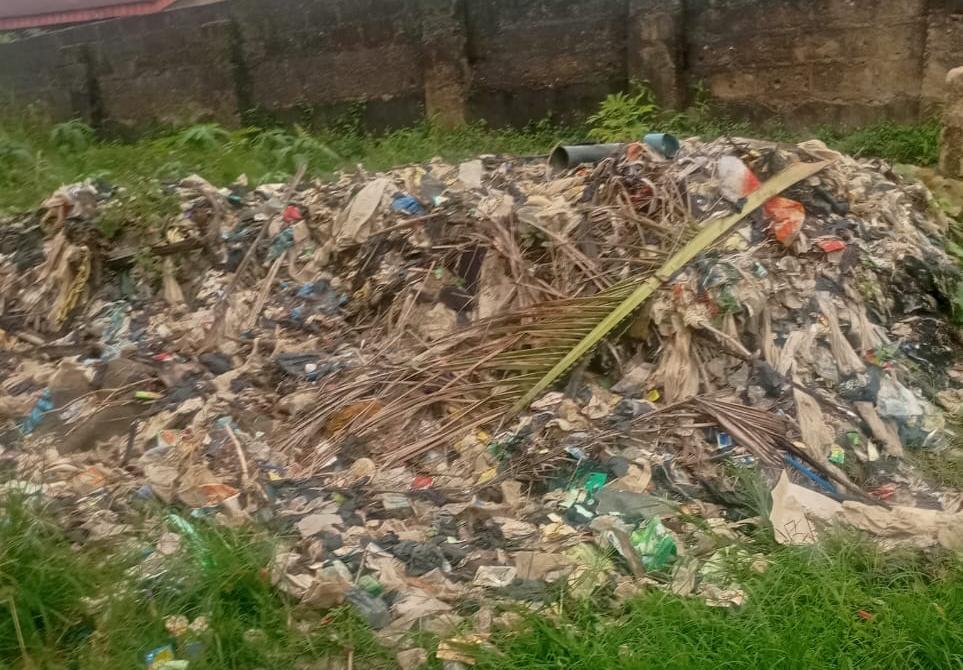
A visit to the area by this reporter revealed several drainage channels clogged with refuse, plastics, and other waste materials, preventing the free flow of water. Large heaps of garbage were also observed at different locations within the community, creating an unsightly environment and raising concerns among residents.
Community members who spoke with CrossRiverWatch lamented that the situation becomes severe particularly during the rainy season when floodwaters are unable to flow through the blocked drains, resulting in stagnant pools of water across parts of the neighborhood.
According to the residents, the stagnant water has become a breeding ground for mosquitoes and other disease-carrying insects, increasing the risk of malaria and other vector-borne diseases.
They expressed fears that prolonged exposure to decomposing waste could contribute to the spread of infections, respiratory problems, and other environmental health hazards, especially among children and the elderly.
“The drainage system is completely blocked in some areas. When it rains, the water remains there for days, and mosquitoes multiply rapidly. The smell from the refuse is also becoming unbearable,” a resident said in anonymity.
Beyond the health implications, residents noted that the accumulation of waste and blocked drainage channels have diminished the aesthetic appeal of the community, while making movement difficult for both pedestrians and motorists.
Environmental experts have consistently warned that poor waste management and blocked drainage systems can contribute to flooding, water contamination, disease outbreaks, and environmental degradation if left unaddressed.
The residents appealed to the Cross River State Government, Calabar South Local Government Council, and relevant environmental agencies to urgently clear the blocked drains, evacuate accumulated refuse, and implement sustainable waste management measures to prevent a recurrence of the problem.
They also urged members of the public to desist from dumping refuse into drainage channels, stressing that maintaining a clean and healthy environment requires collective responsibility from both government and residents.
While expressing hope that their concerns would receive prompt attention, the residents emphasized that immediate intervention is necessary to safeguard public health, improve sanitation, and restore the environmental quality of the community
Short Link:
Leave feedback about this