My heart broke the day I saw yet another young girl being married off at a tender age. I could not hold back my tears as I wondered how many dreams had been cut short before they even had a chance to blossom.
Too often, society measures a woman’s worth by her ability to marry and bear children, forgetting that she also has dreams and potential to become a journalist, a lawyer, a doctor, an engineer, a scientist, an entrepreneur, or a national leader. Countless dreams have been buried under harmful stereotypes that confine women to traditional roles.
There is nothing wrong with being a wife or a mother. Caring for a family is a noble responsibility. However, a woman’s education should never end at the cooking room with pots and other utensils. Education equips women with the knowledge, confidence, and skills to contribute meaningfully not only to their families but also to their communities and the nation.
Across Nigeria, many women have shattered barriers and proven that education is a powerful tool for transformation.
Dr. Ngozi Okonjo-Iweala is one of the finest examples. She became the first woman and the first African to serve as Director-General of the World Trade Organization after serving Nigeria twice as Minister of Finance. Her remarkable journey continues to inspire millions of girls to believe that education and determination can lead to global leadership.
Another outstanding Nigerian is Amina J. Mohammed, the Deputy Secretary-General of the United Nations. Through her work in sustainable development and international diplomacy, she has demonstrated that Nigerian women can influence global policies and shape the future.
Arunma Oteh has also distinguished herself in the financial sector. As the former Director-General of Nigeria’s Securities and Exchange Commission and later a Vice President and Treasurer of the World Bank, she has shown that women can excel in economic leadership and financial management.
These women represent only a small fraction of the countless Nigerian women making remarkable contributions in medicine, law, engineering, journalism, technology, business, politics, education, and many other fields. Their achievements remind us that when girls are educated, societies become stronger.
Research consistently shows that educating girls improves family health, reduces poverty, strengthens economies, and leads to better educational outcomes for future generations. An educated woman does not only transform her own life; she transforms the lives of everyone around her.
Unfortunately, many girls are still denied the opportunity to complete their education because of poverty, child marriage, discrimination, and harmful cultural practices. Every time a girl is forced to abandon her education, society loses a future teacher, doctor, scientist, journalist, innovator, or leader.
This does not mean that family responsibilities are unimportant. Rather, women should have the freedom to pursue education, build careers, lead organizations, and raise families if they choose. These aspirations are not mutually exclusive.
Parents, communities, religious leaders, and governments at all levels all have a responsibility to ensure that every girl child has access to quality education and equal opportunities. Investing in girls’ education is not merely an act of kindness, it is an investment in national development and a more prosperous future.
Thomas Jefferson is often credited with saying, “he who has daughters is always a shepherd.” Whether or not those exact words are authentic, the sentiment reminds us of the responsibility to guide, protect, and nurture our daughters so they can reach their full potential.
Today, I make this heartfelt appeal: let us stop limiting girls to outdated expectations. Let us encourage them to dream boldly, learn continuously, and pursue their ambitions without fear. Every woman deserves equality, opportunity, dignity, and the freedom to become all she is capable of being. God created her for a purpose, not only in the kitchen.
Biblically, women like Deborah, Esther Priscilla, Abigail and among others, showed their great leadership potentials.
A woman’s education should never end only in the kitchen. It should prepare her to lead, innovate, create, serve, and leave a lasting impact on society. When women are empowered through education, families thrive, communities prosper, and nations become stronger.
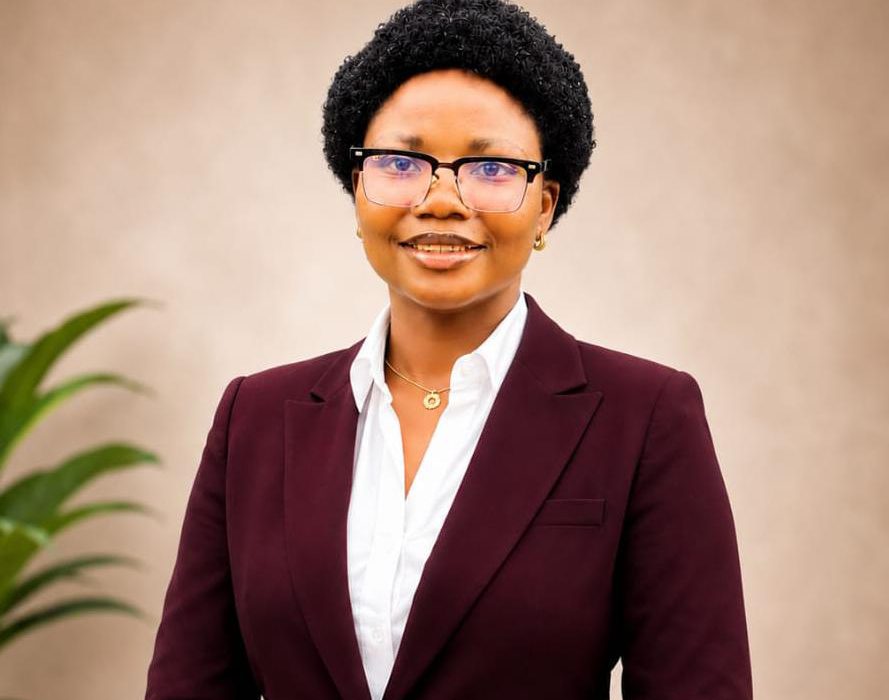
Maryann Abunimye is an IT student from the Department of Journalism and Media Studies, University of Cross River State (UNICROSS). She is currently undergoing her mandatory Industrial Training with CrossRiverWatch.
NB: Opinions expressed in this article are strictly attributable to the author, Maryann Abunimye, and do not represent the opinion of CrossRiverWatch or any other organization the author works for/with.
Short Link:
Leave feedback about this