By Patrick Obia
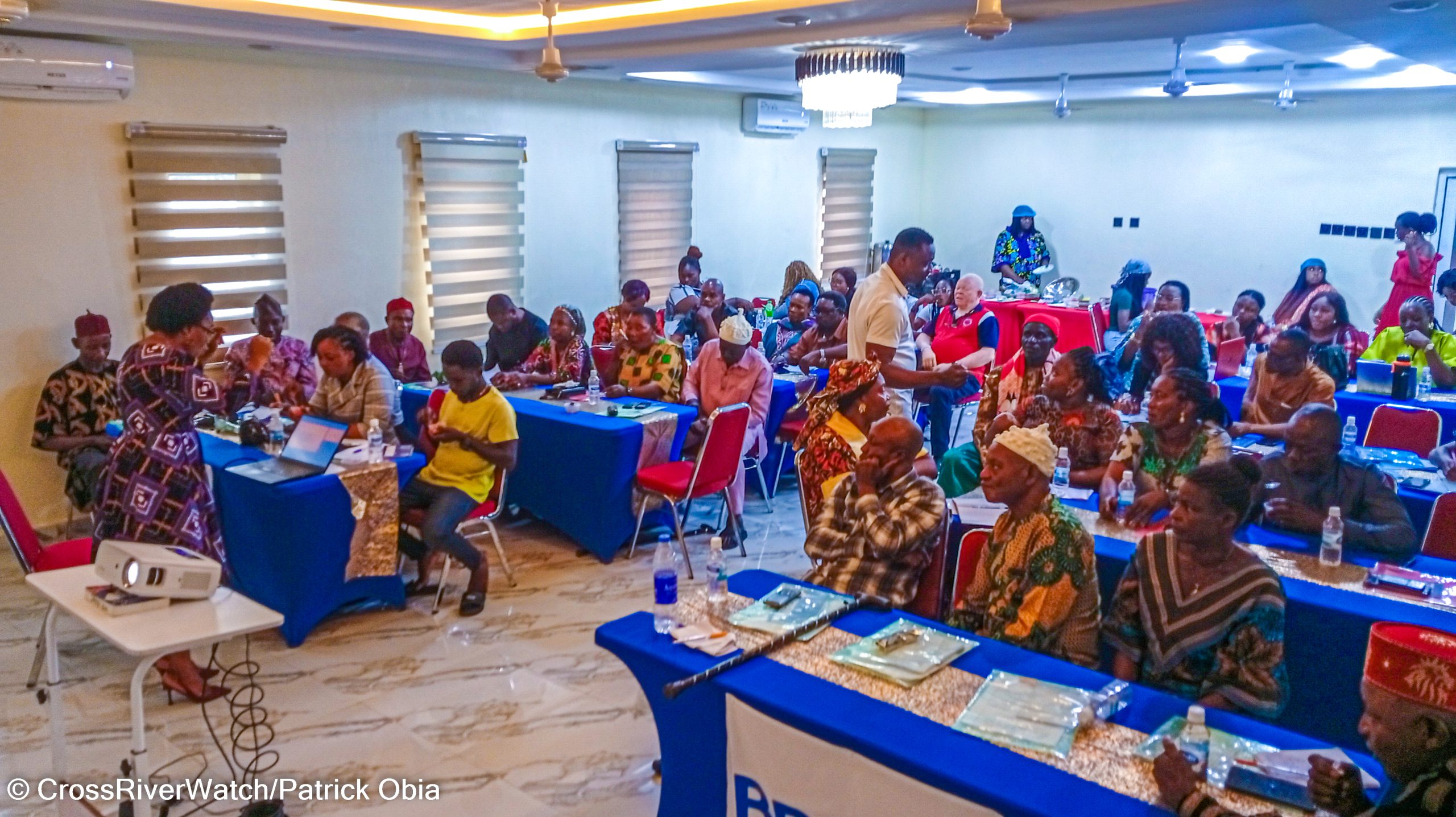
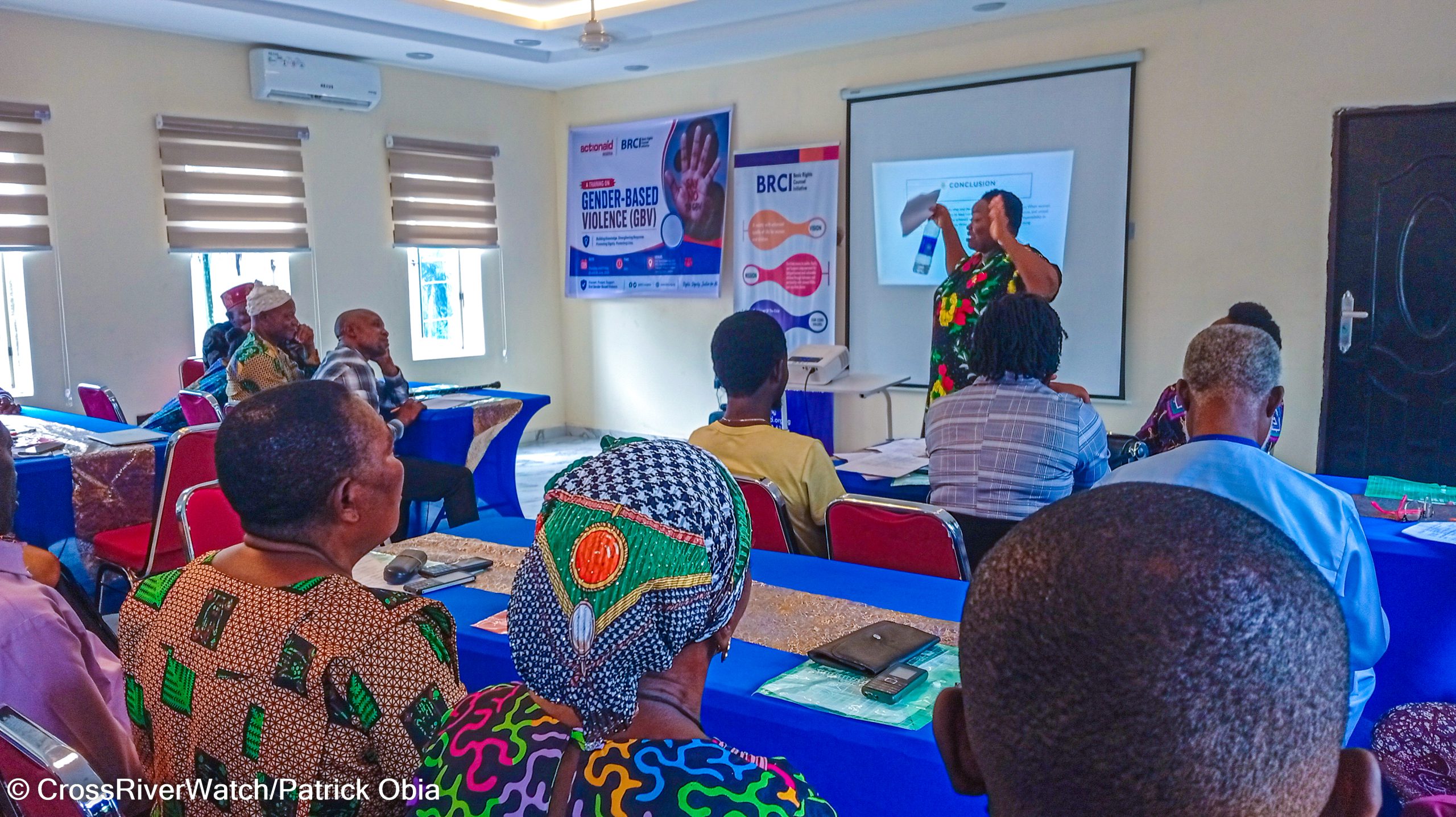
The Basic Rights Counsel Initiative (BRCI), a leading non-profit organization committed to protecting, promoting and safeguarding the rights and welfare of children and vulnerable women in Cross River State and the Niger Delta, has wrapped up a two-day stakeholders’ forum on Gender-Based Violence (GBV) prevention, referral pathways, community response, and women’s leadership.
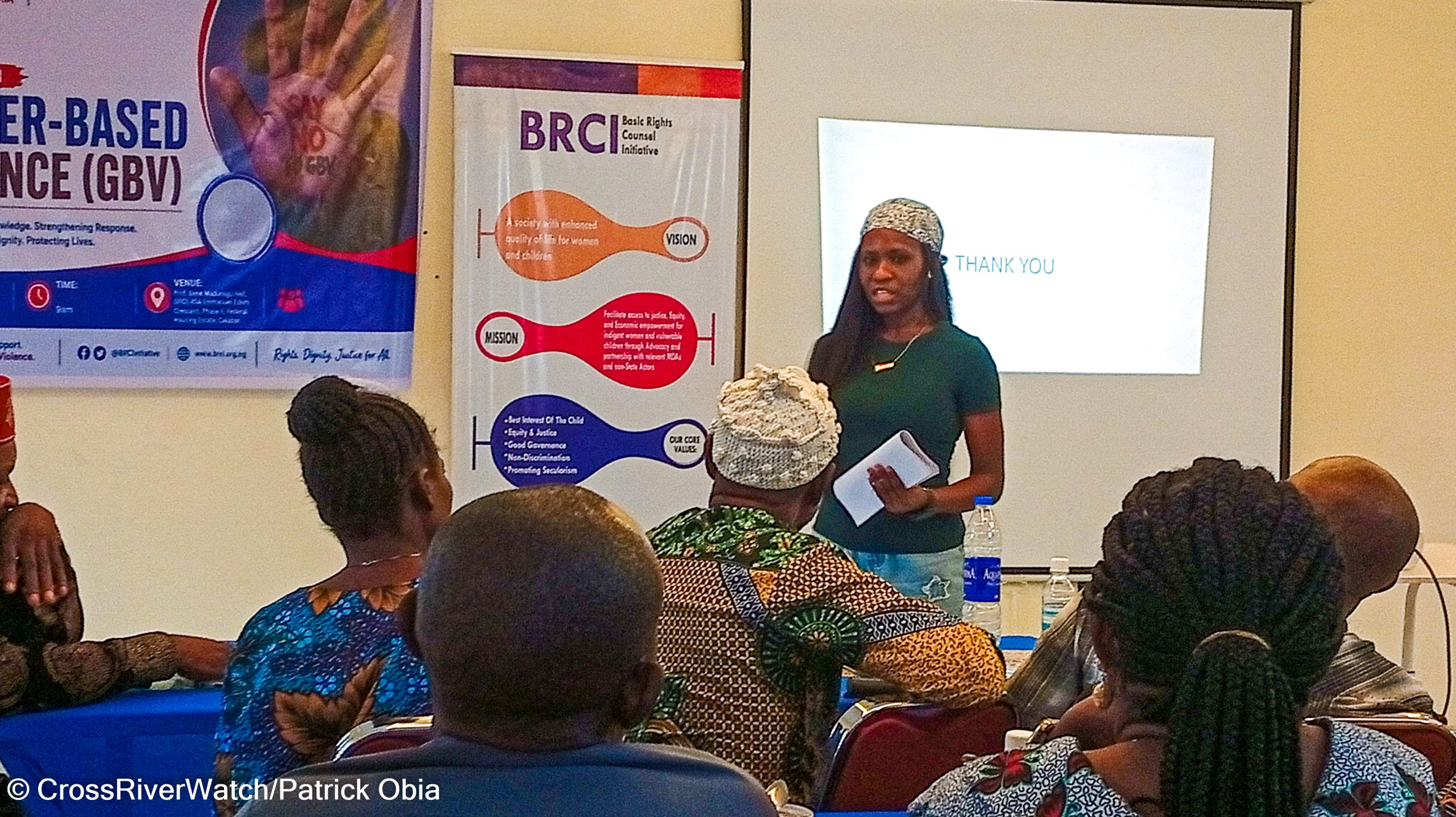
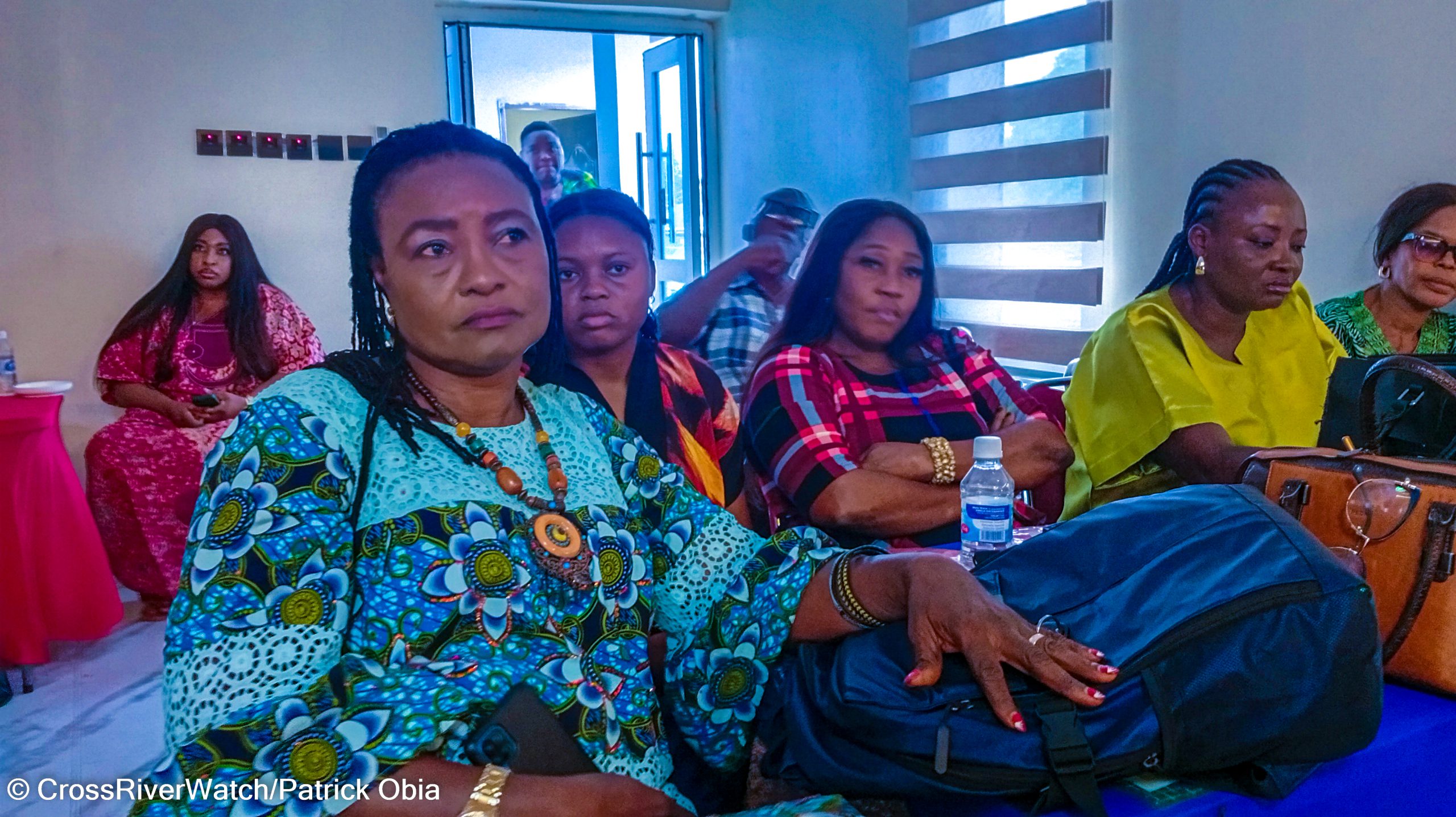
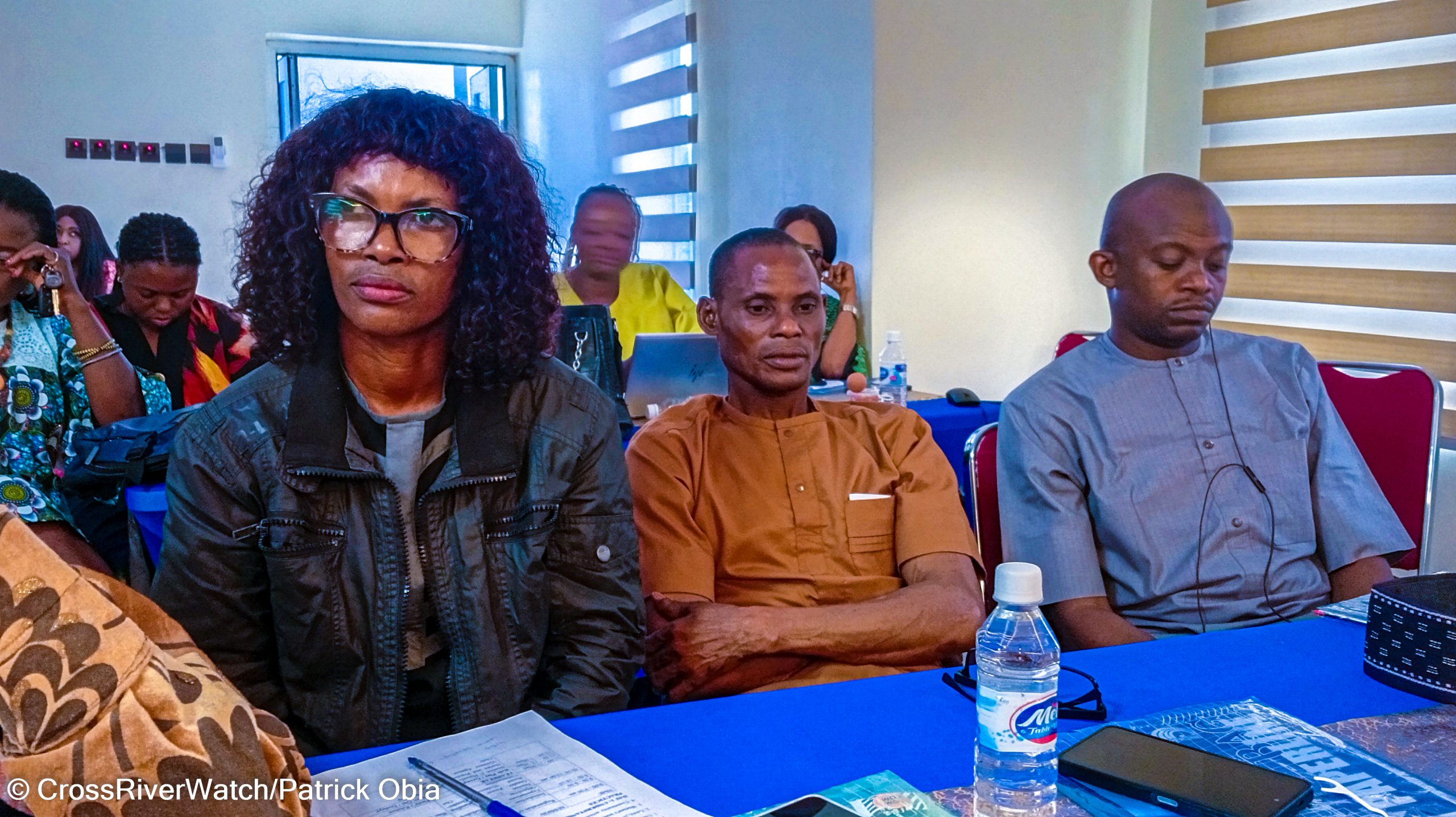
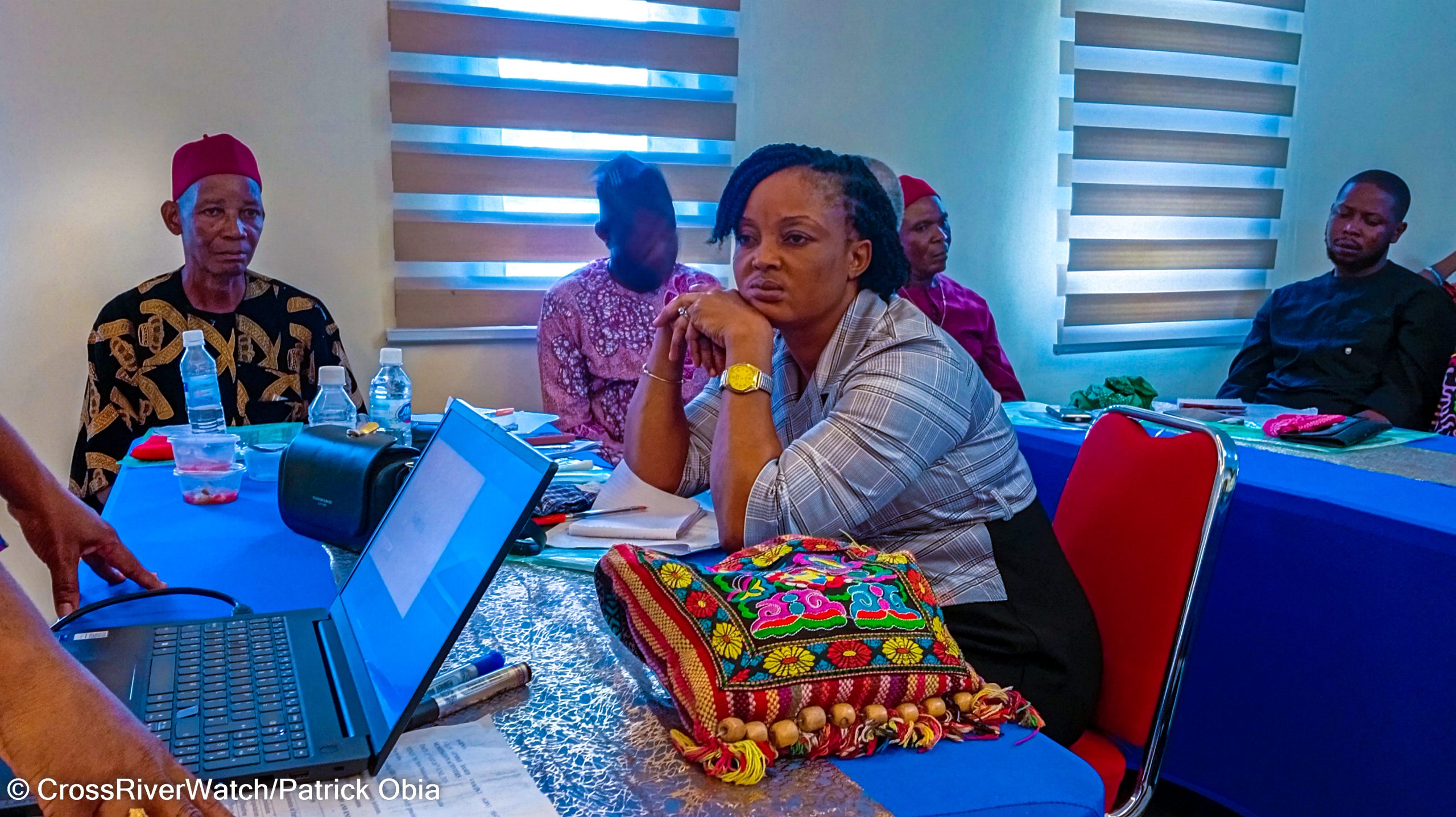
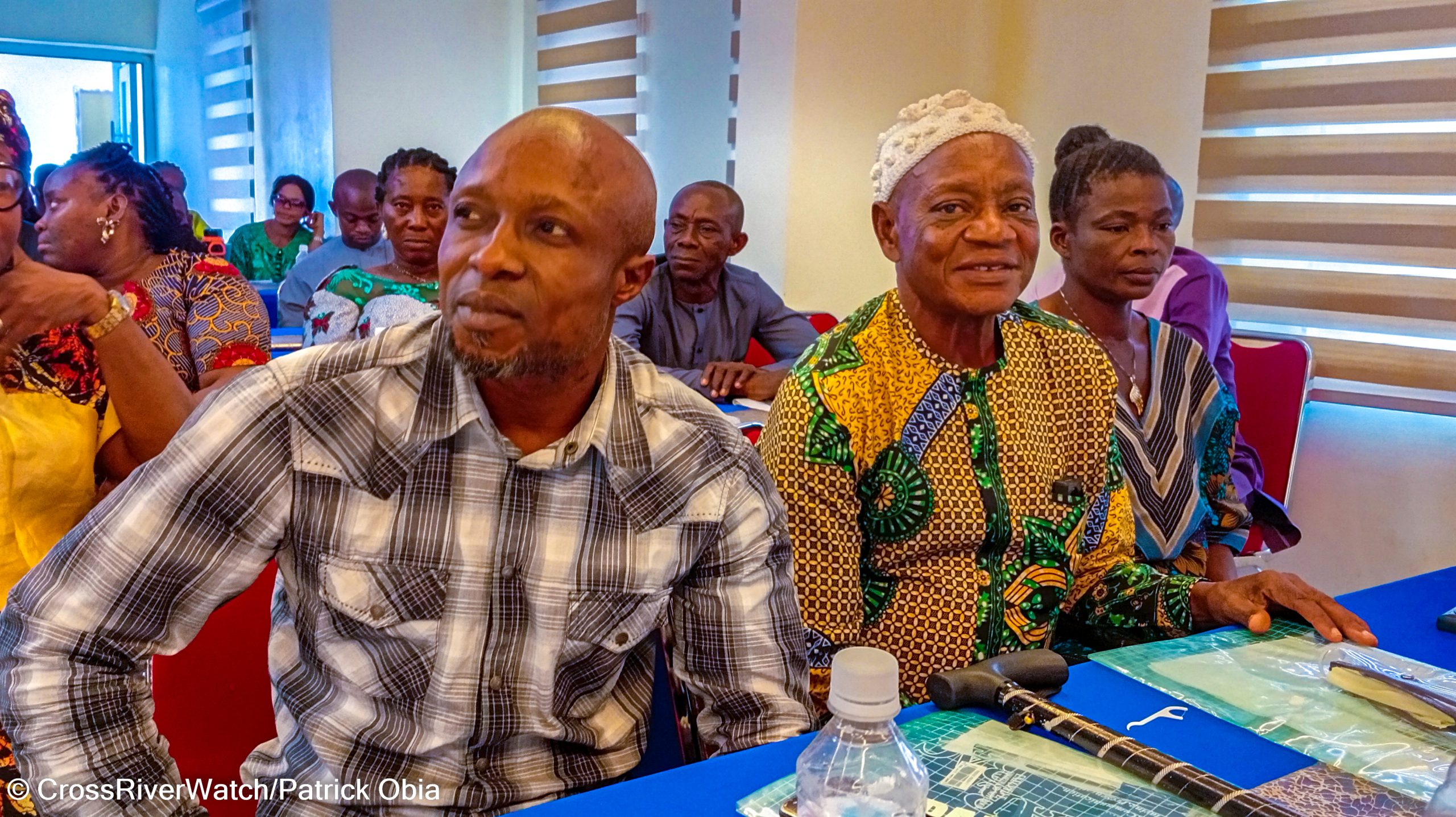
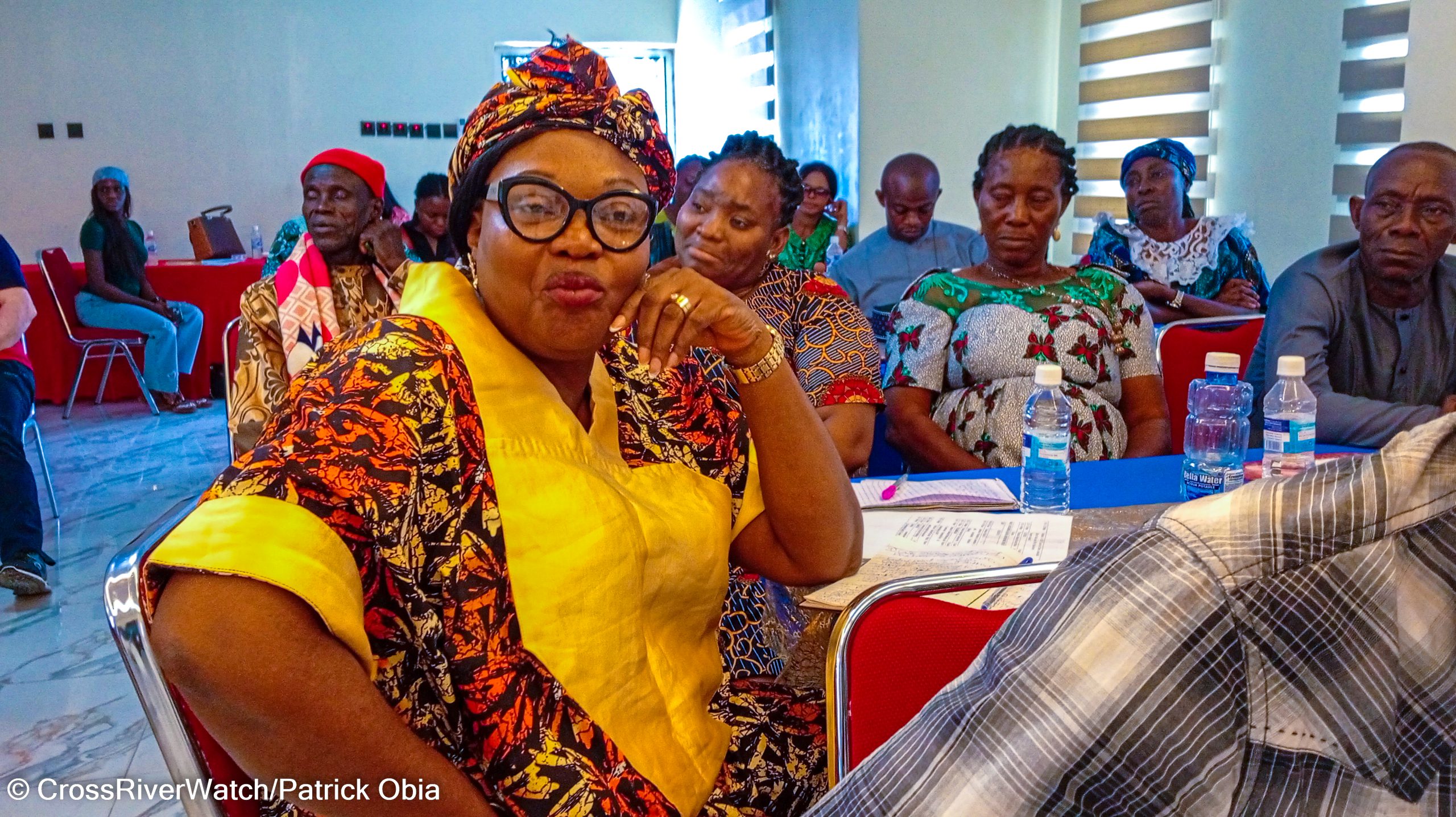
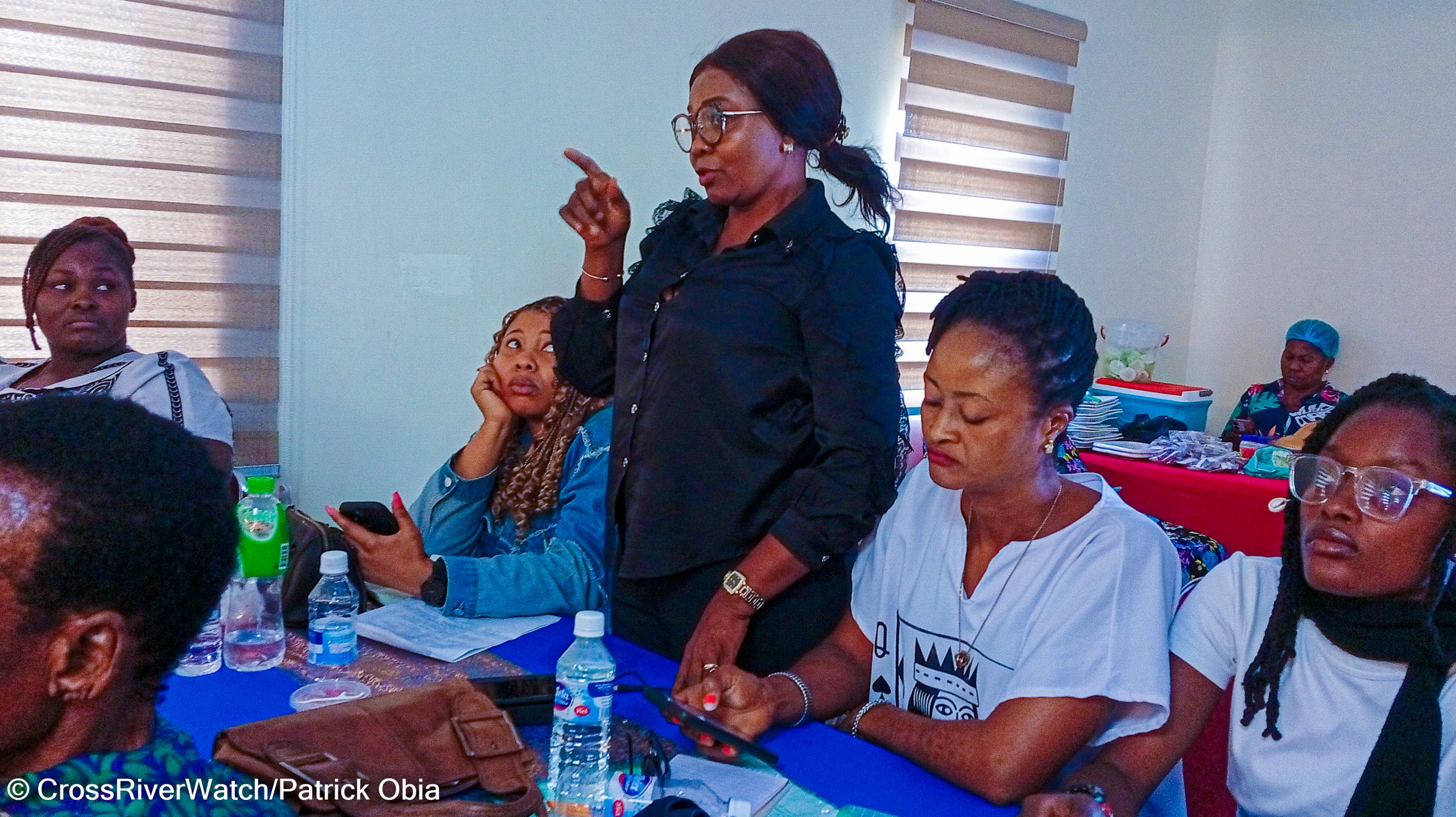
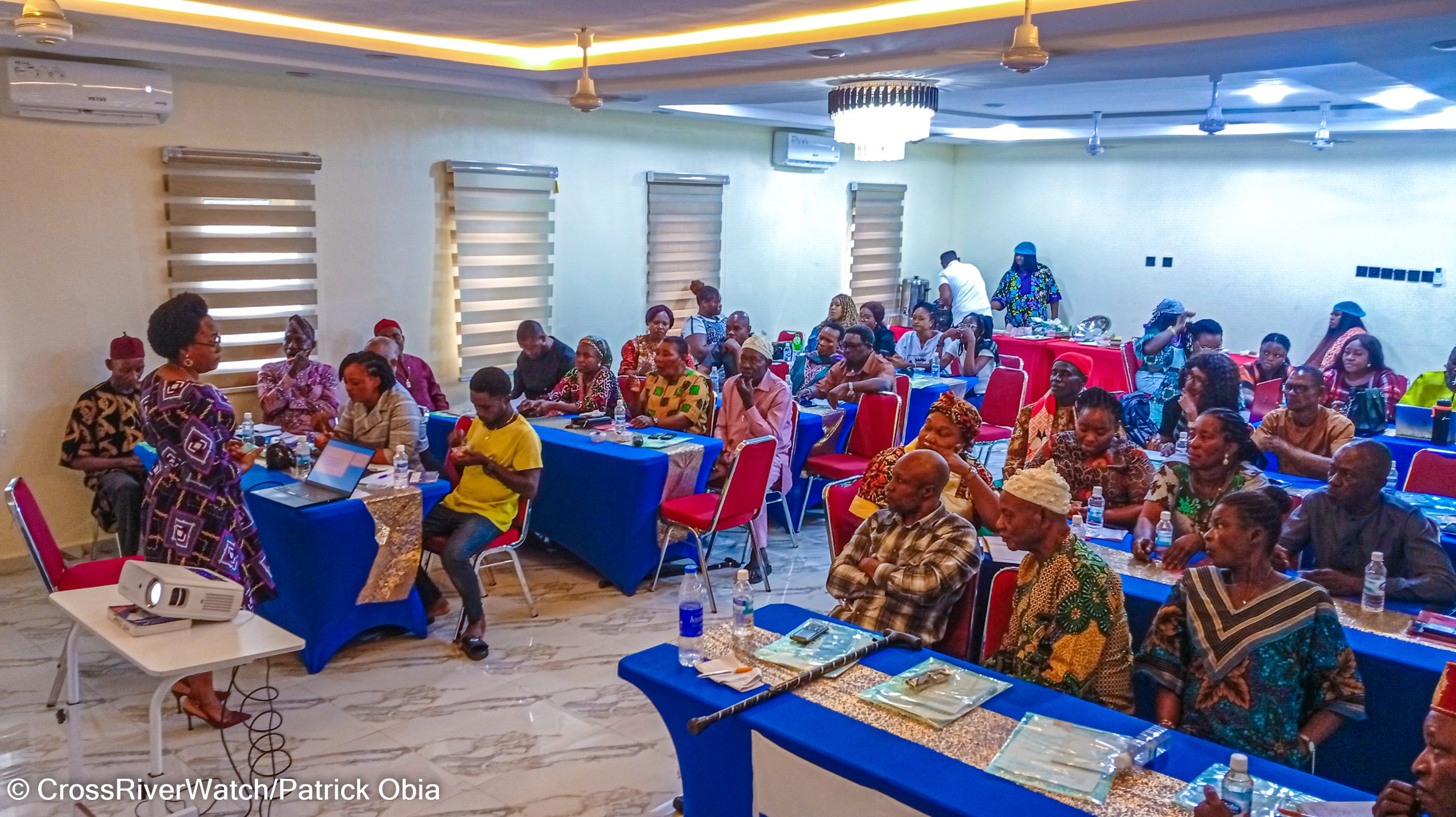
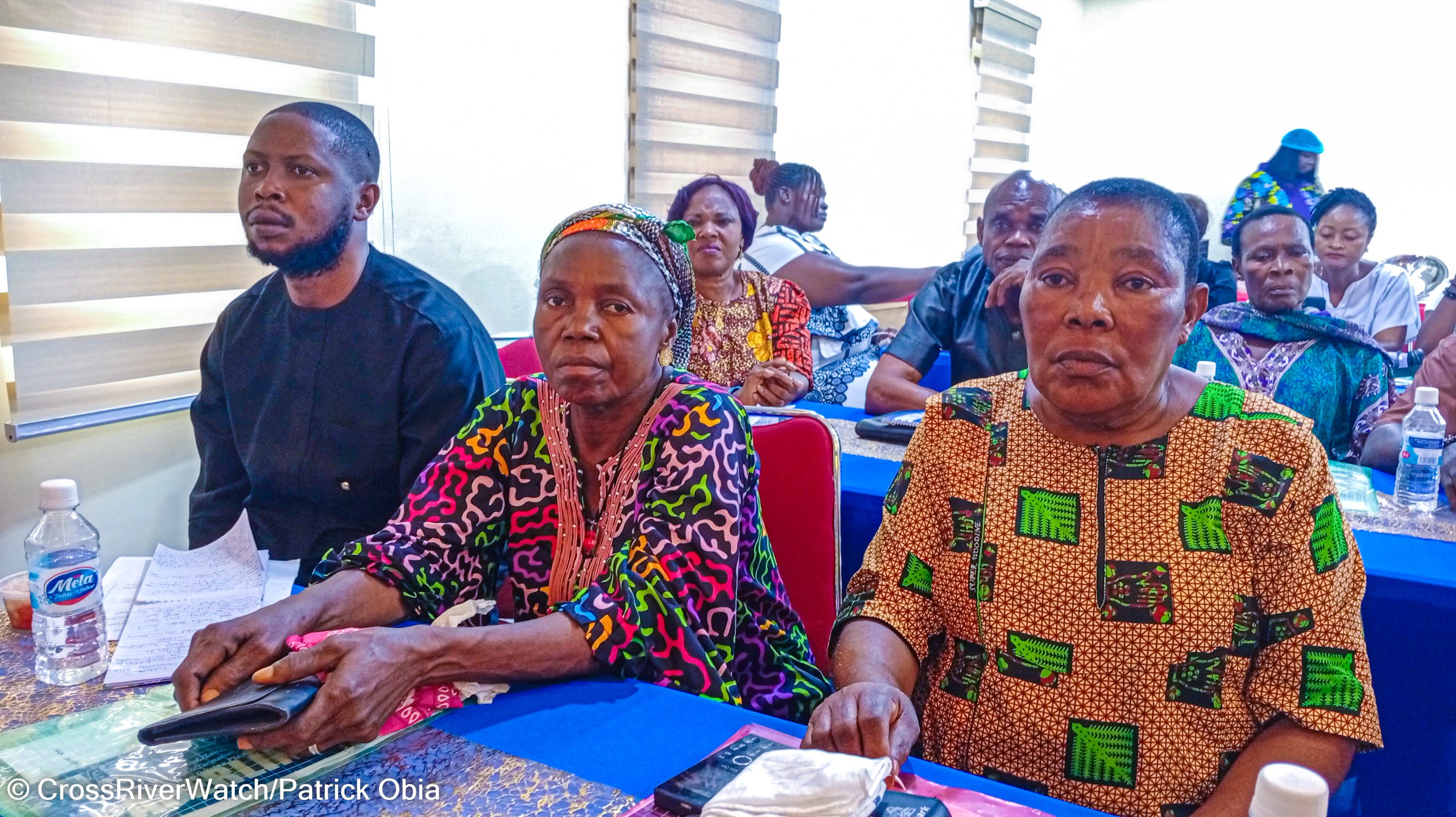
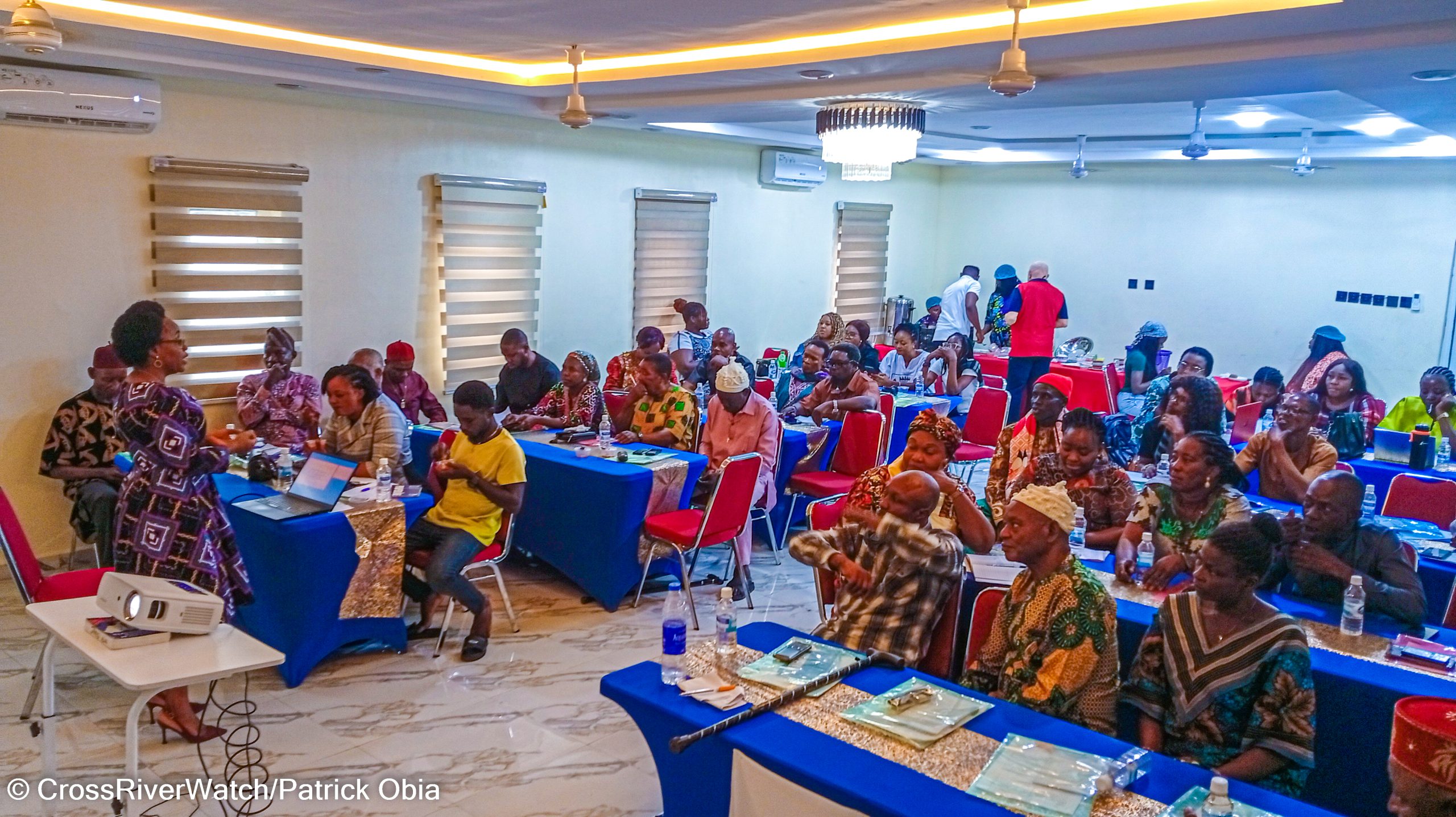
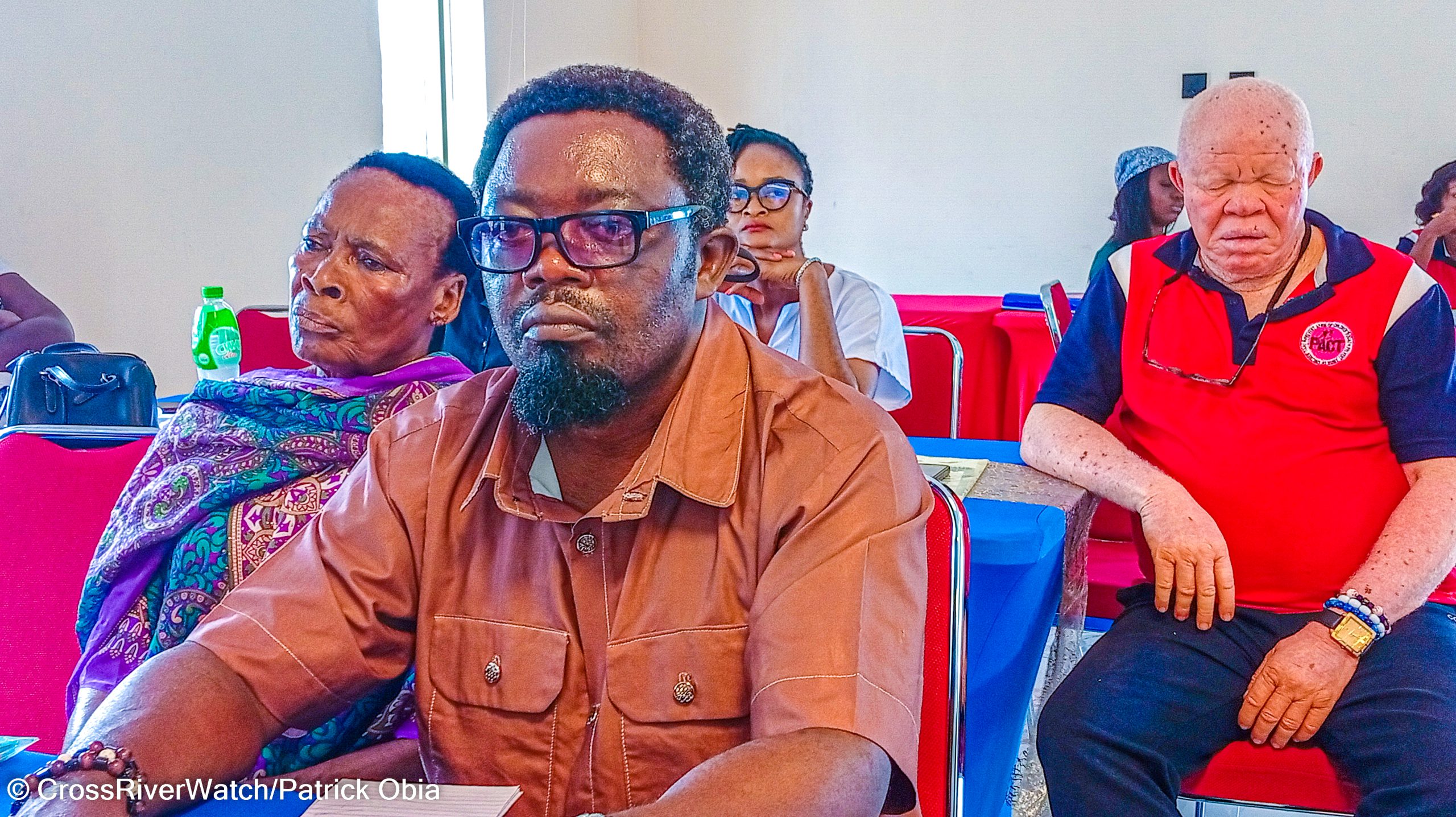
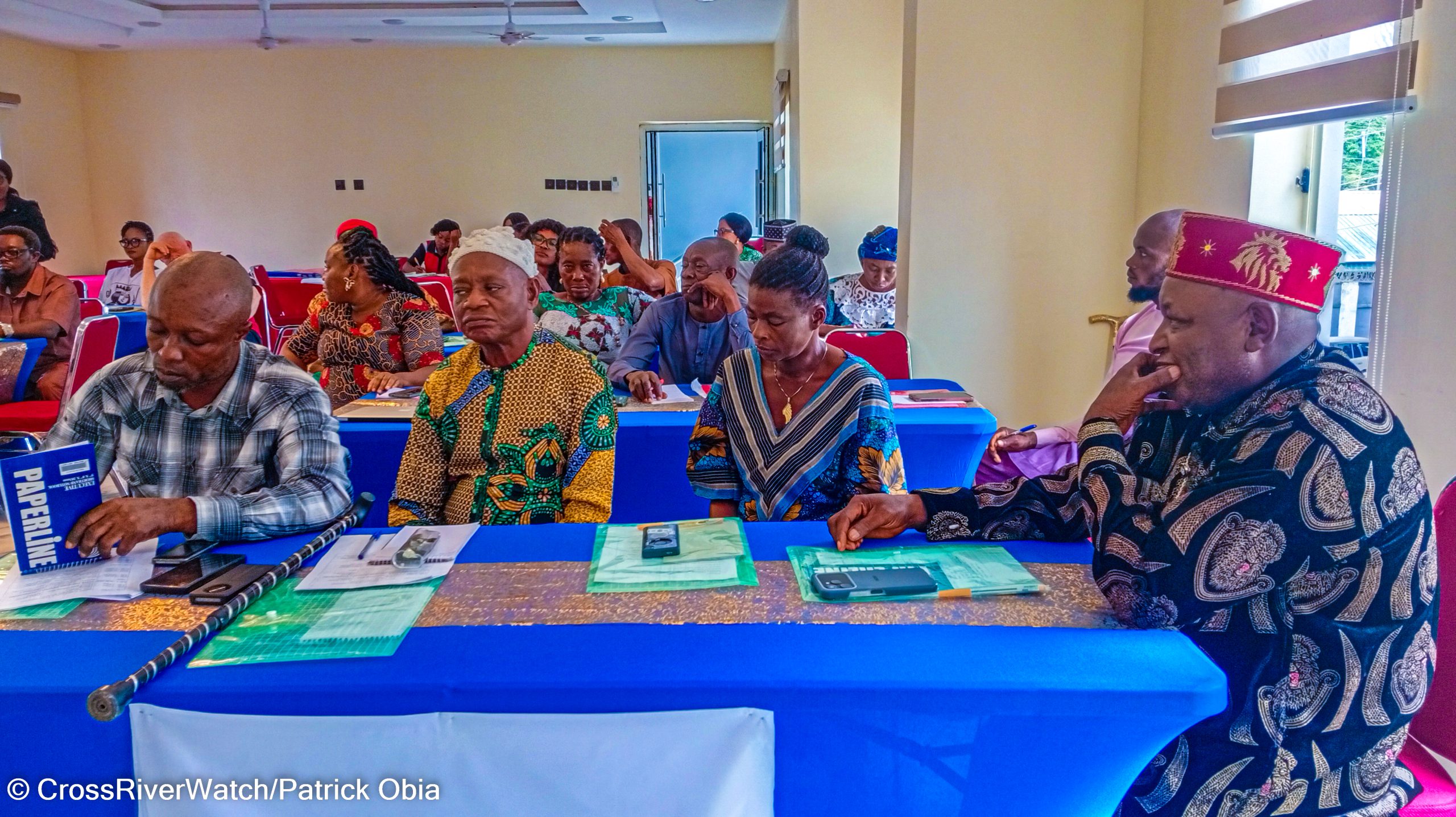
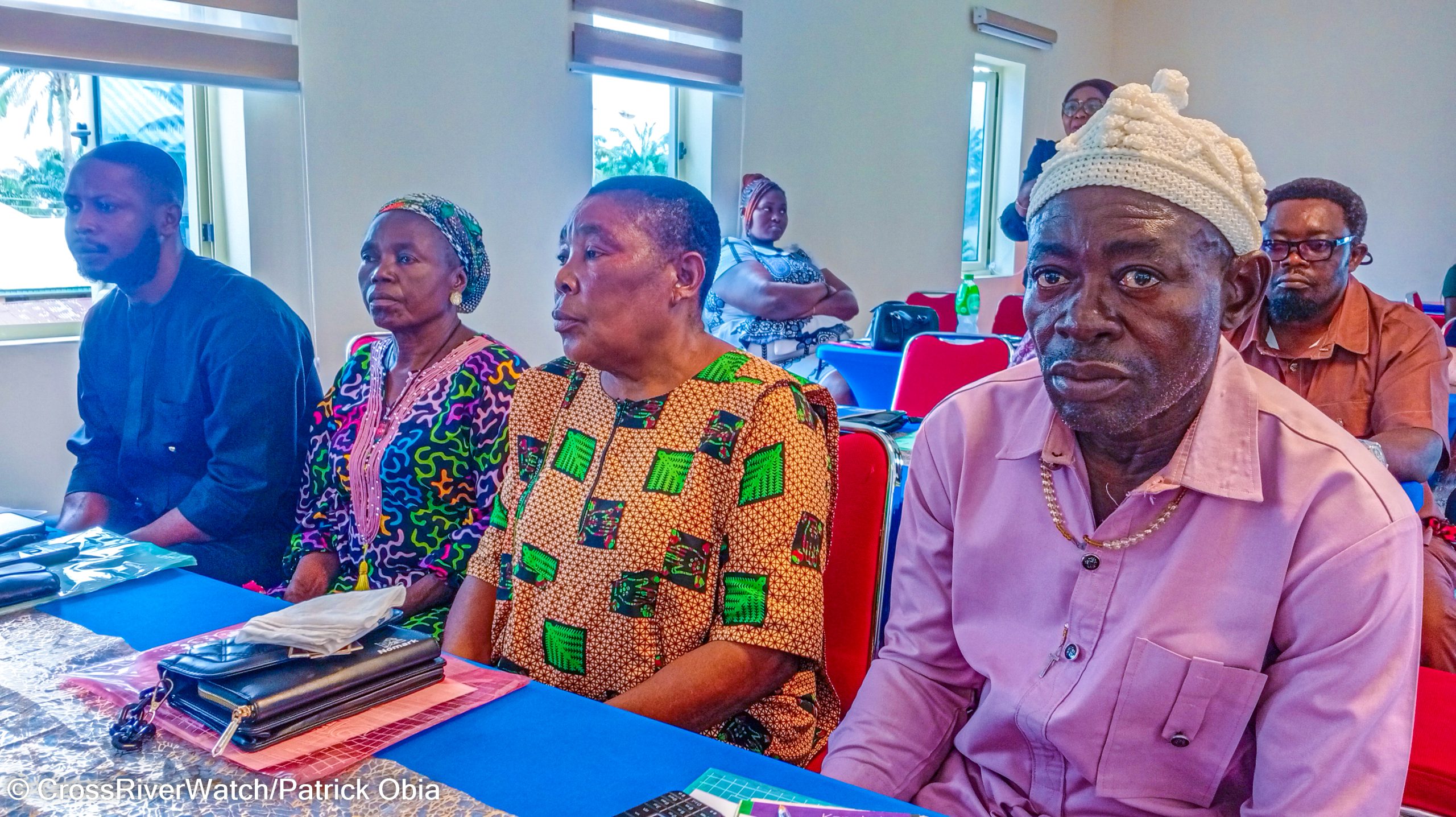
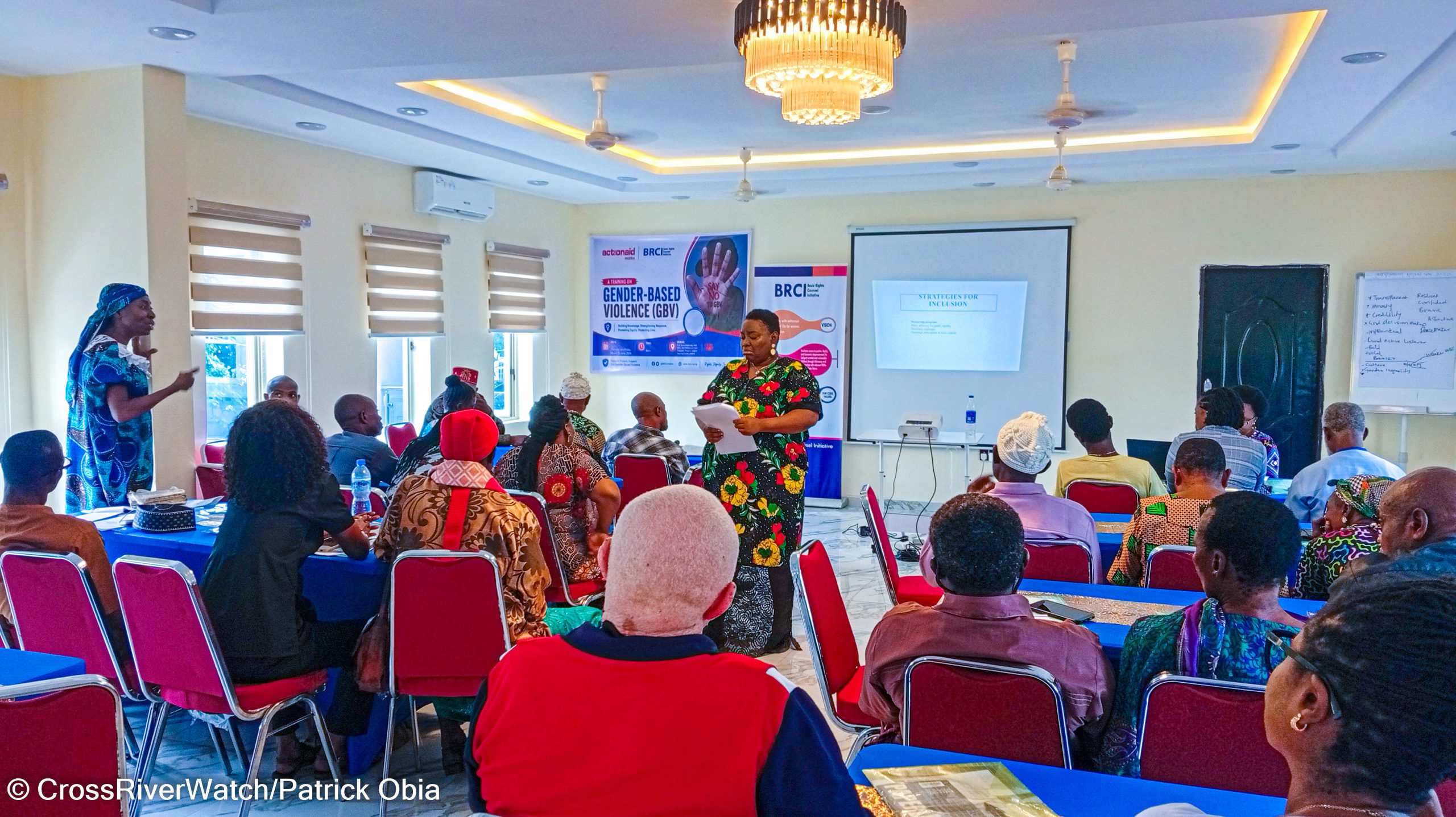
The training, held at Prof. Bene Madunagu Hall in BRCI’s office, Calabar, brought together community leaders, government representatives, civil society organizations, women and youth groups, as well as development partners to deliberate on practical strategies for preventing GBV and increasing women’s participation in leadership and decision-making.
The forum was aimed at strengthening collaboration among key stakeholders by improving GBV prevention efforts, enhancing referral mechanisms for survivors, promoting effective community responses, and advancing women’s inclusion in leadership at all levels.
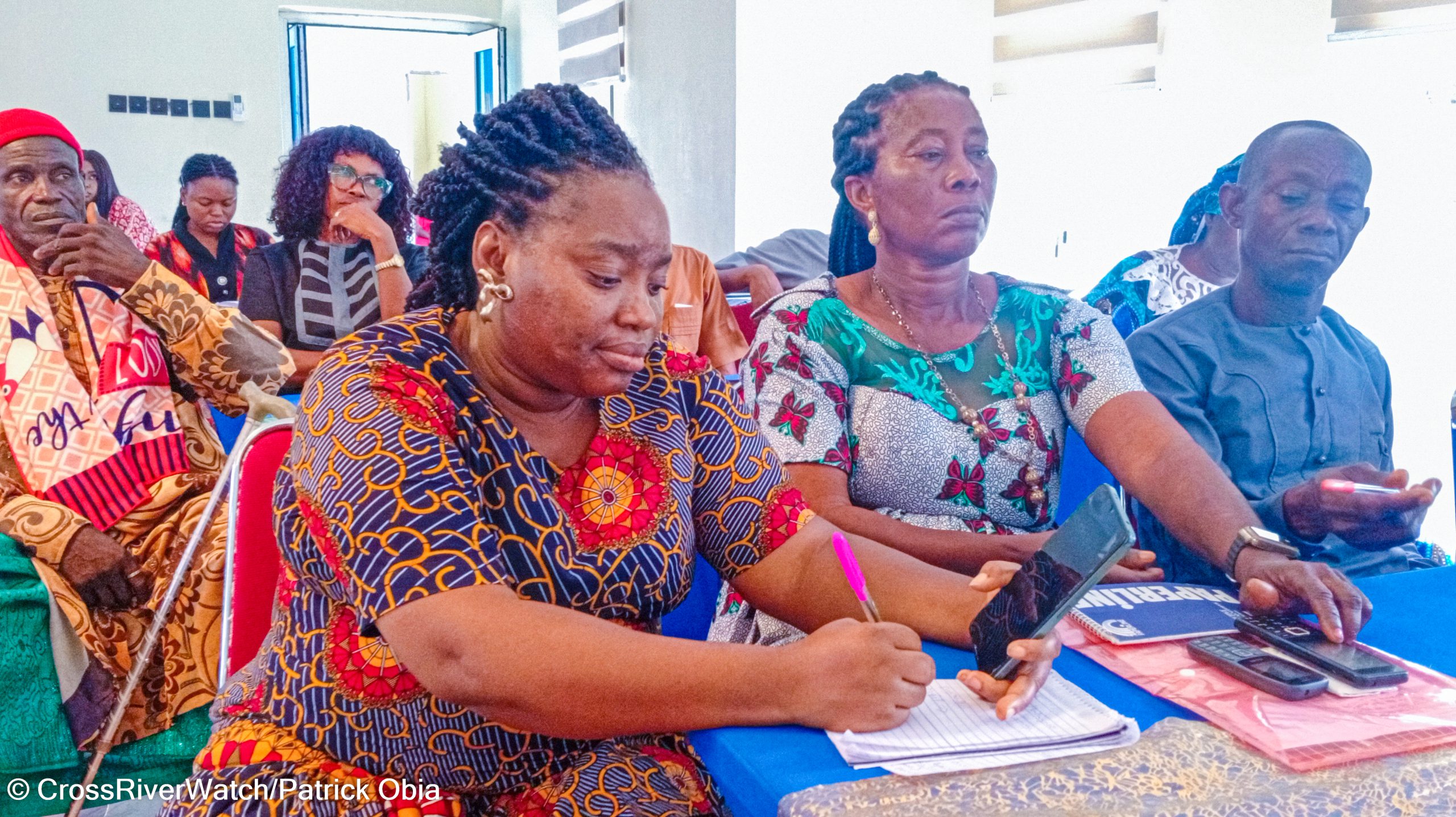
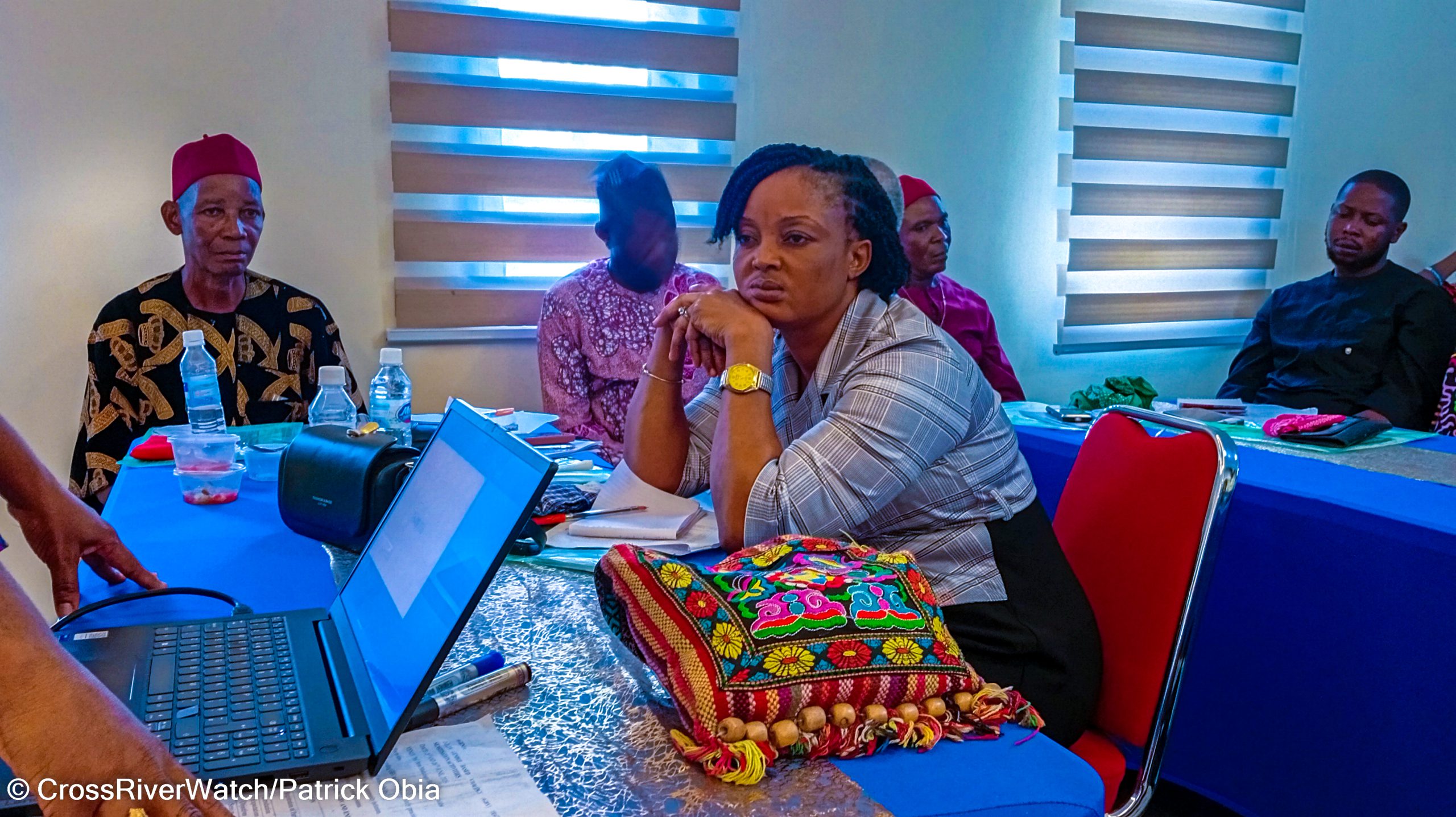
Participants engaged in interactive discussions, shared experiences, identified prevailing challenges, and proposed practical solutions geared at building safer and more inclusive communities.
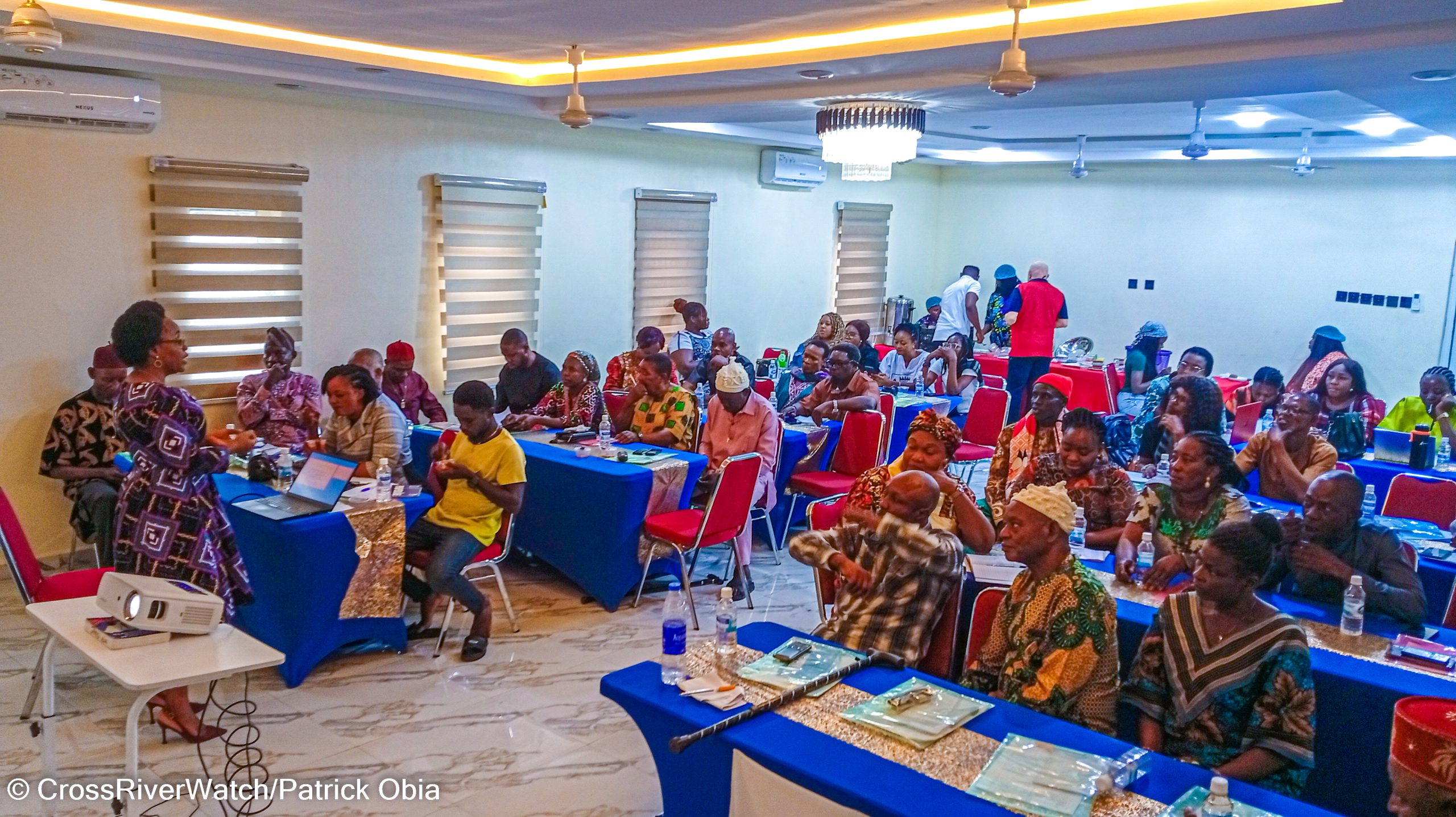
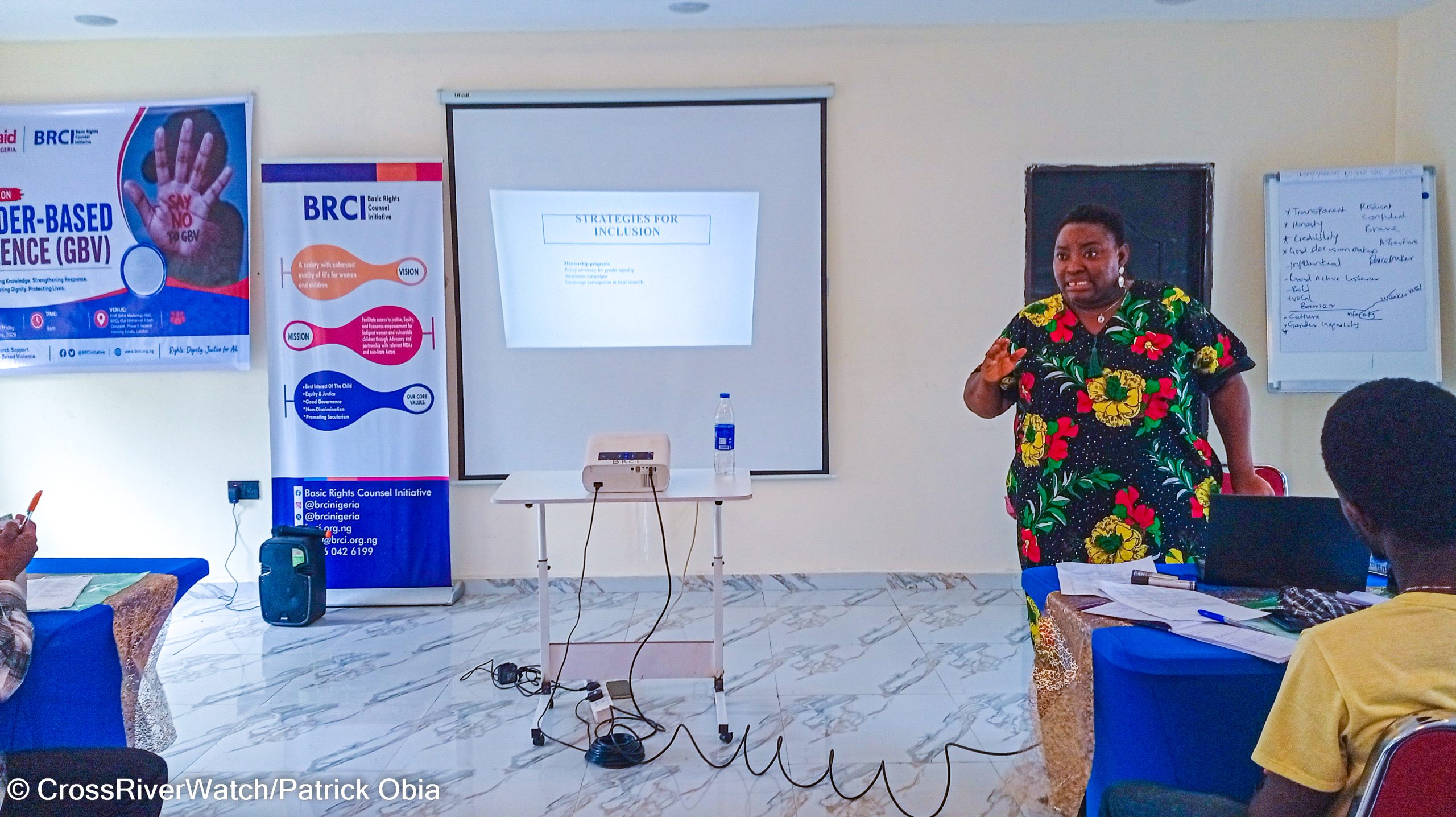
Facilitators delivered sessions on justice, accountability, and existing legal frameworks that criminalize gender-based violence, rape, and other harmful practices affecting families and communities.
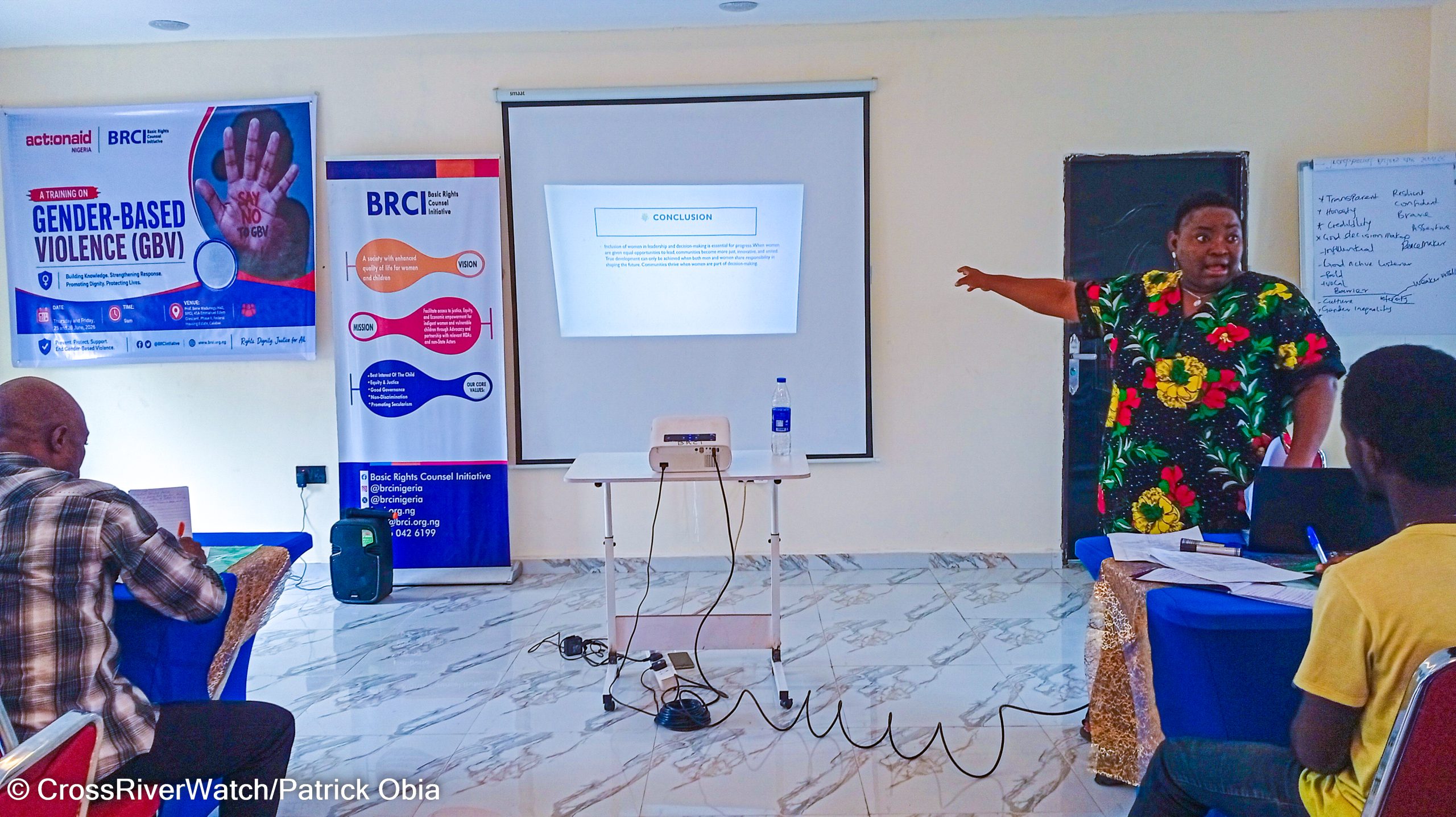
One of the major sessions, titled “Women in Leadership and Community Decision-Making,” examined the factors limiting women’s participation in leadership positions.
Attendees identified cultural and societal norms, gender inequality, low self-confidence, limited interest in leadership roles, and other systemic barriers as key obstacles preventing women from assuming leadership responsibilities.
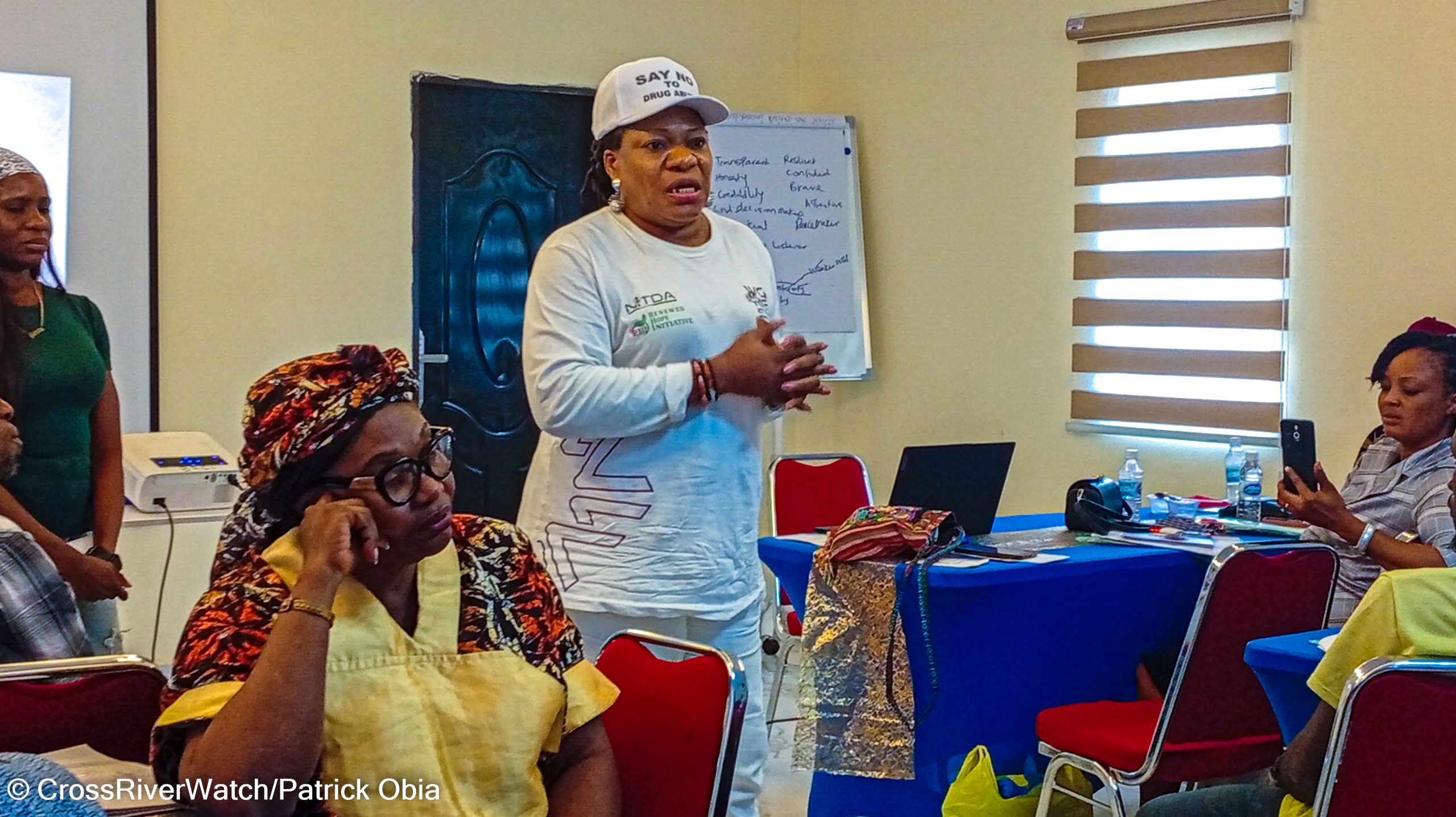
The highly interactive forum saw community leaders and other agents of social change advocate equal opportunities for women in governance and community leadership.
Women were equally encouraged to overcome self-imposed limitations, build confidence, and actively participate in decision-making processes regardless of prevailing challenges.
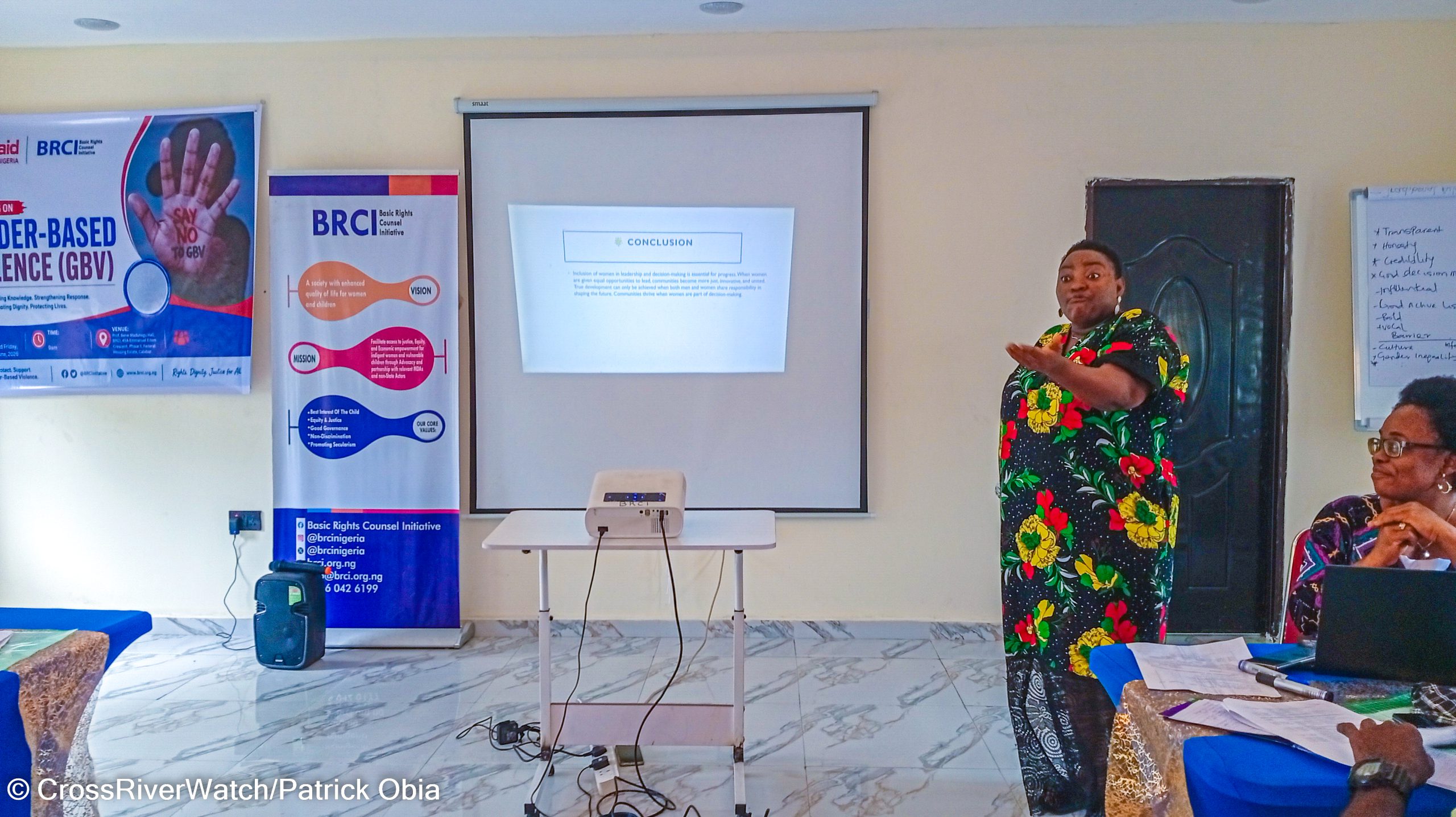
The stakeholders highlighted several strategies for increasing women’s representation in leadership, including strengthening mentorship programs, promoting policy advocacy, organizing sustained awareness campaigns, and encouraging women’s participation in local council governance and gender equality initiatives.
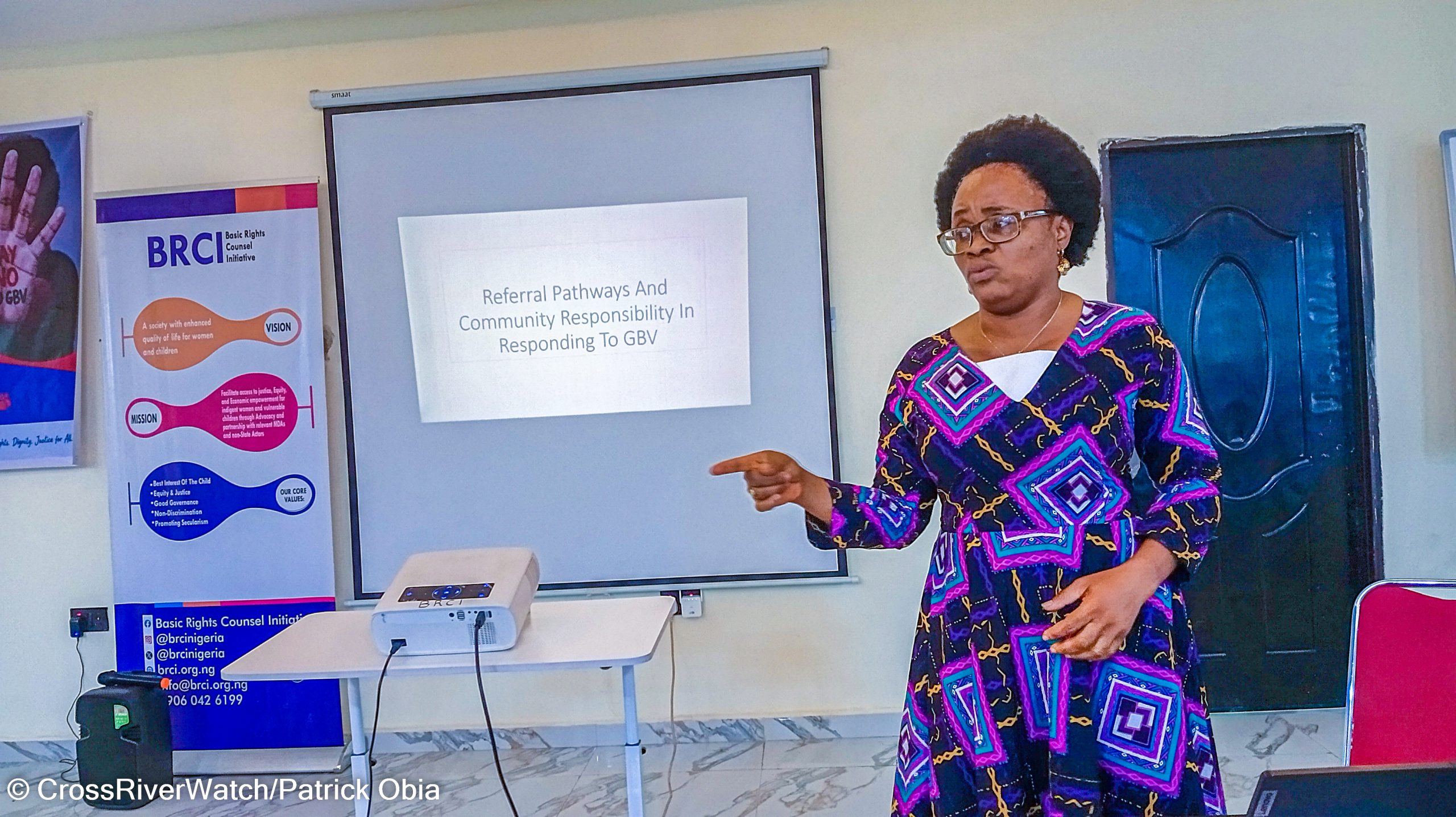
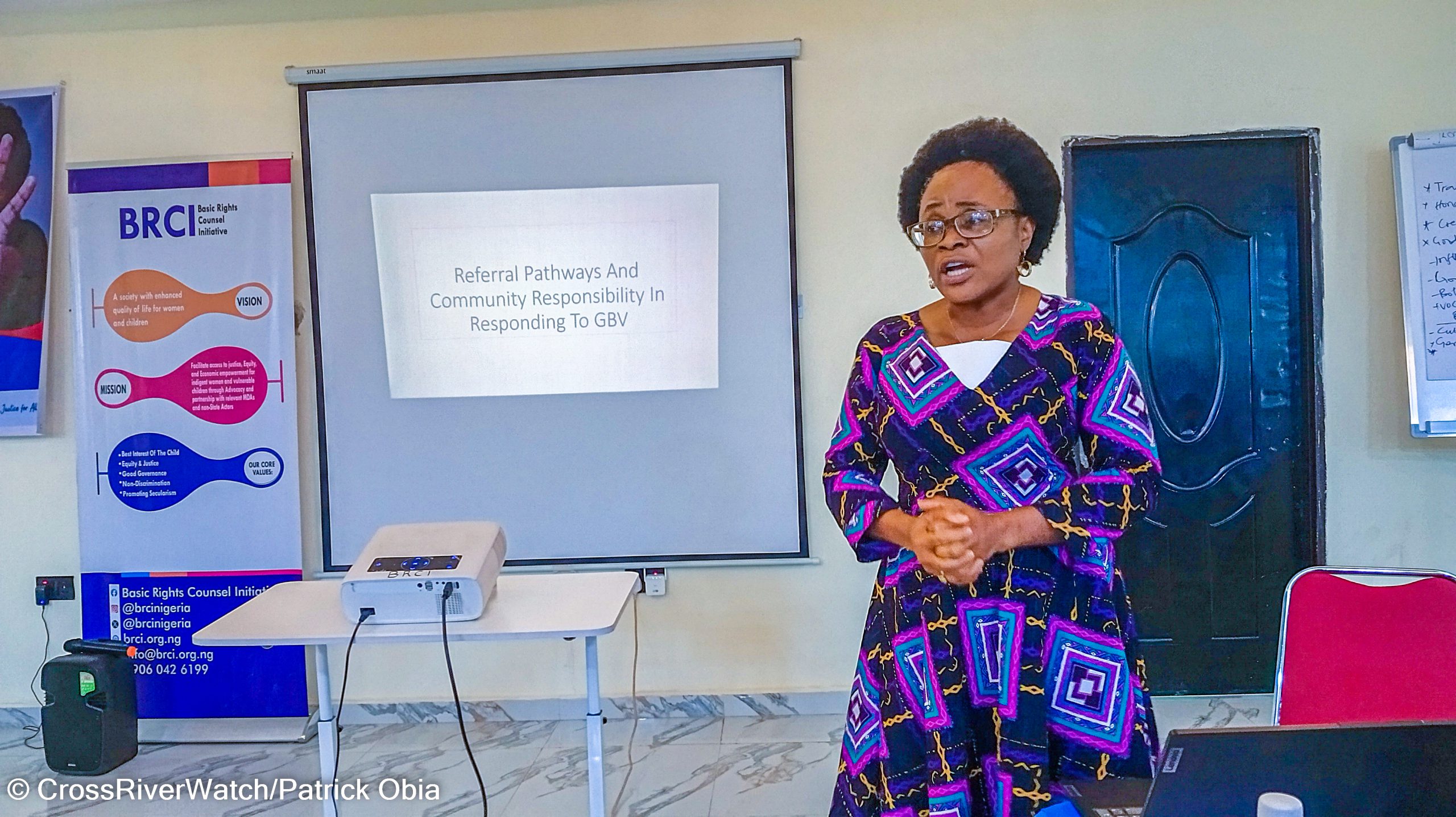
Another key session focused on “Referral Pathways and Community Responsibility in Responding to Gender-Based Violence”, facilitators emphasized that addressing GBV requires coordinated action by all stakeholders and stressed the importance of every community member playing an active role in responding to incidents of abuse.
The standard GBV referral framework discussed during the training includes first-point contact and immediate response, medical and healthcare support, case management, psychosocial support, and referrals to relevant protection and justice institutions.
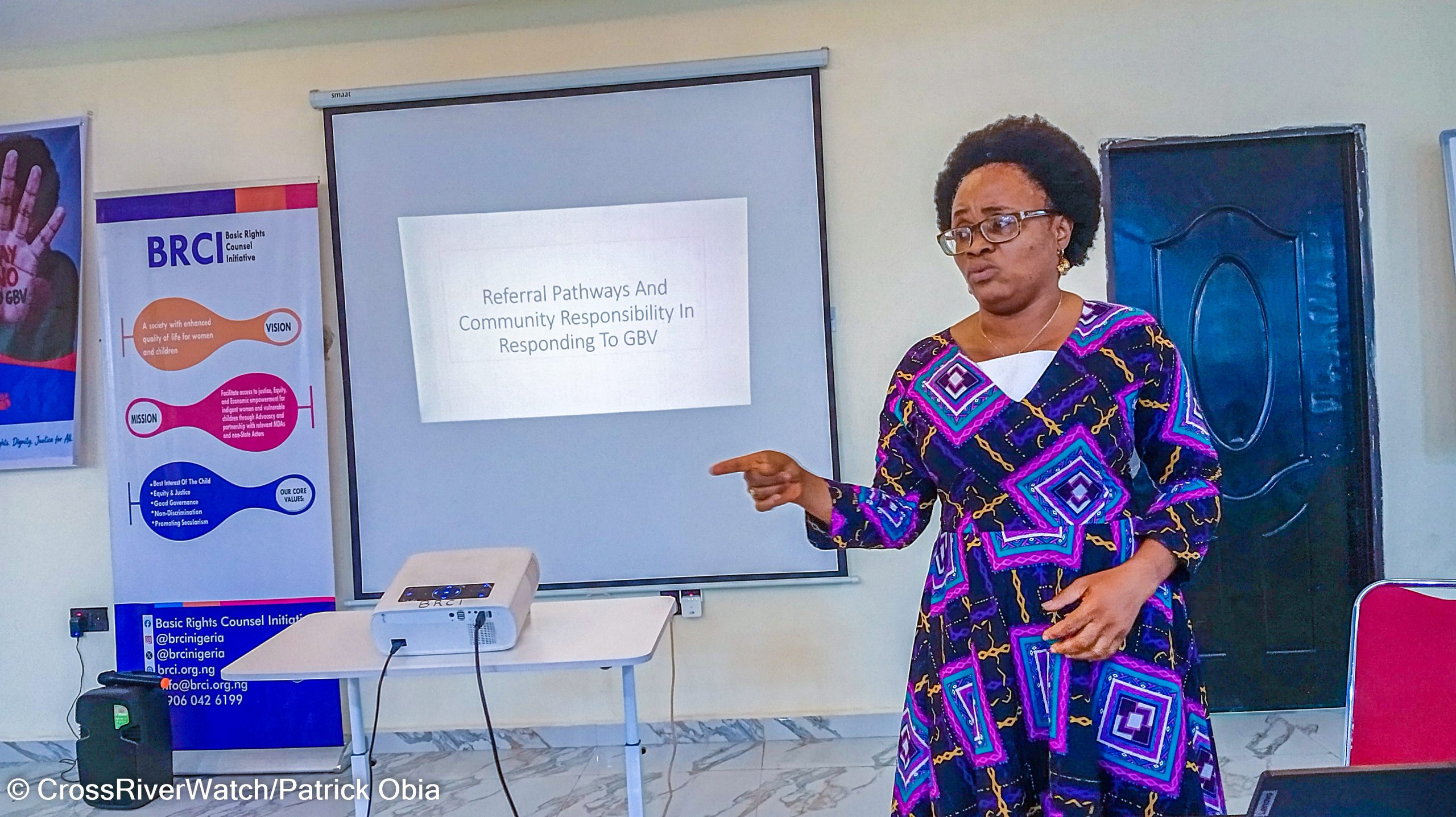
According to the facilitators, effective community response to GBV depends on collective responsibility, with traditional leaders, community members, service providers, and relevant institutions working together to protect survivors and hold perpetrators accountable.
The two-day forum climaxed with practical exercises, group work, roundtable discussions, the drafting of Community Action Plans, and the signing of commitment pledges by community leaders to implement agreed actions within their respective communities.
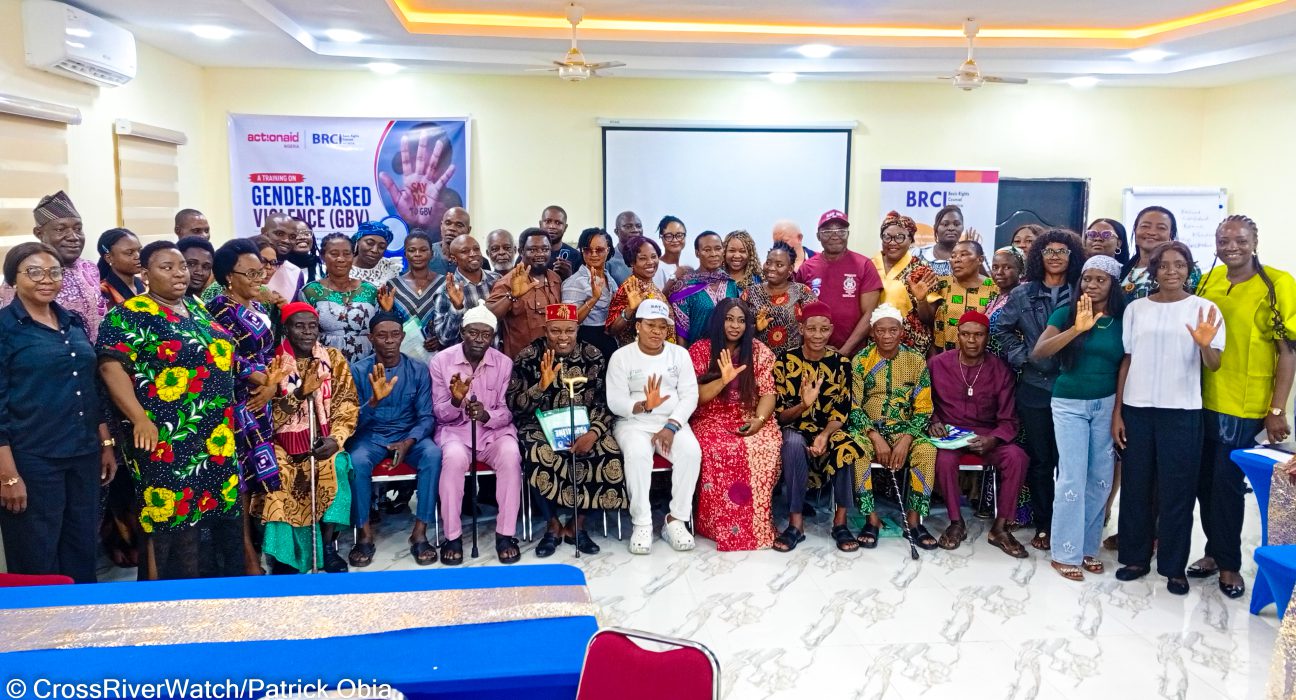
The event also featured a group photograph of participants.















Short Link:
Leave feedback about this