By Kelvin Ololo
Civil society organizations and community stakeholders under the Inclusive Forum for Accountable Society (IFAS), also known as ActionAid, have called on the Cross River State Government to address the growing challenges of abandoned social amenities in rural communities while urging stronger collaboration among community leaders in tackling rape and gender-based violence (GBV).
The call formed part of discussions at a stakeholders’ meeting held on Tuesday, May 26, 2026, at Prof. Bene Madunagu Hall, Basic Rights Counsel Initiative (BRCI) office in Calabar.
The forum brought together civil society organizations, security agencies, media practitioners, government actors, and representatives of various communities across the state to discuss issues affecting grassroots development and accountability.
Speaking during the meeting, the Chairperson of the Forum, Dr. Josephat Ogar, said the initiative was designed to strengthen transparency, accountability and people-focused governance.
“The aim of the forum was to increase transparency, accountability and effectiveness of government, using human approach method to development and promoting human justice.”
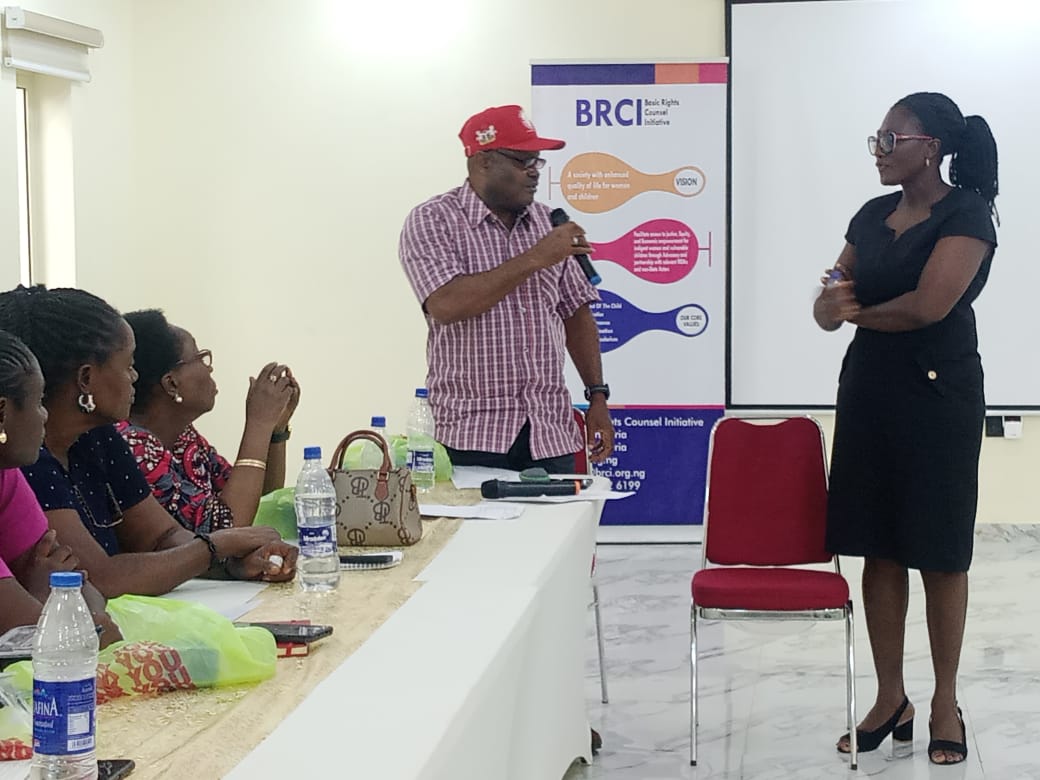
According to him, the platform provides an opportunity for citizens to engage Ministries, Departments and Agencies (MDAs), as well as non-state actors, on pressing issues confronting their communities.
“Forums like this becomes very important to remind government of their responsibilities and to give the people hope.
“We come together to see how we can use the most appropriate model to hold the government accountable to their duties and responsibilities.”
Participants at the meeting raised concerns over deteriorating public infrastructure in many communities, including dilapidated schools, poor road networks, inadequate healthcare facilities and shortage of teachers in public schools across parts of the state.
Dr. Ogar noted that the forum would further sensitize communities on the need to demand accountability from elected representatives and government institutions.
Also speaking, the Program Officer of IFAS and Program Manager of BRCI, Mrs. Joy Adebayo, said timelines had already been set to begin addressing issues raised during the engagement.
“Today we have proposed and set timelines to swift into action from this meeting and we hope by June we must have gone far.”
She urged residents to resist vote-selling during future elections, stressing the need for citizens to prioritize accountable leadership.
The meeting spotlighted concerns over the handling of rape and gender-based violence cases in some communities, with participants alleging that some traditional leaders often shield perpetrators instead of allowing legal processes to take their course.
Addressing the issue, the State Coordinator of the Child Protection Network (CPN), Mr. Kebe Ikpi, condemned the culture of silence surrounding child abuse and sexual violence.
“We cannot make progress if we continue to hide people who are abusing our children.
“We owe ourselves and our future the responsibilities to protect our children.”
Responding on behalf of community representatives, Mr. Ovat Sunday Robert pledged that outcomes from the meeting would be communicated to village and clan heads across communities to improve awareness and cooperation.
The forum also extensively discussed the state of education in Cross River, with participants advocating reforms aimed at improving learning outcomes in public schools.
Dr. Leo Igwe of the Critical Thinking Social Empowerment Foundation called for the introduction of philosophy and critical thinking studies for children to encourage active learning and independent reasoning.
“Our education puts allot of emphasis on memorization, a lot of children are thought to memorize and reproduce what they have been taught and that makes our learning process a passive process. We need a more active participatory process and that’s why the skills of critical, creative and collaborative thinking is necessary.”
Reacting to the proposal, human rights lawyer and co-founder of BRCI, James Ibor Esq., described critical thinking education as a welcome development capable of helping children make informed decisions and identify abuse early.
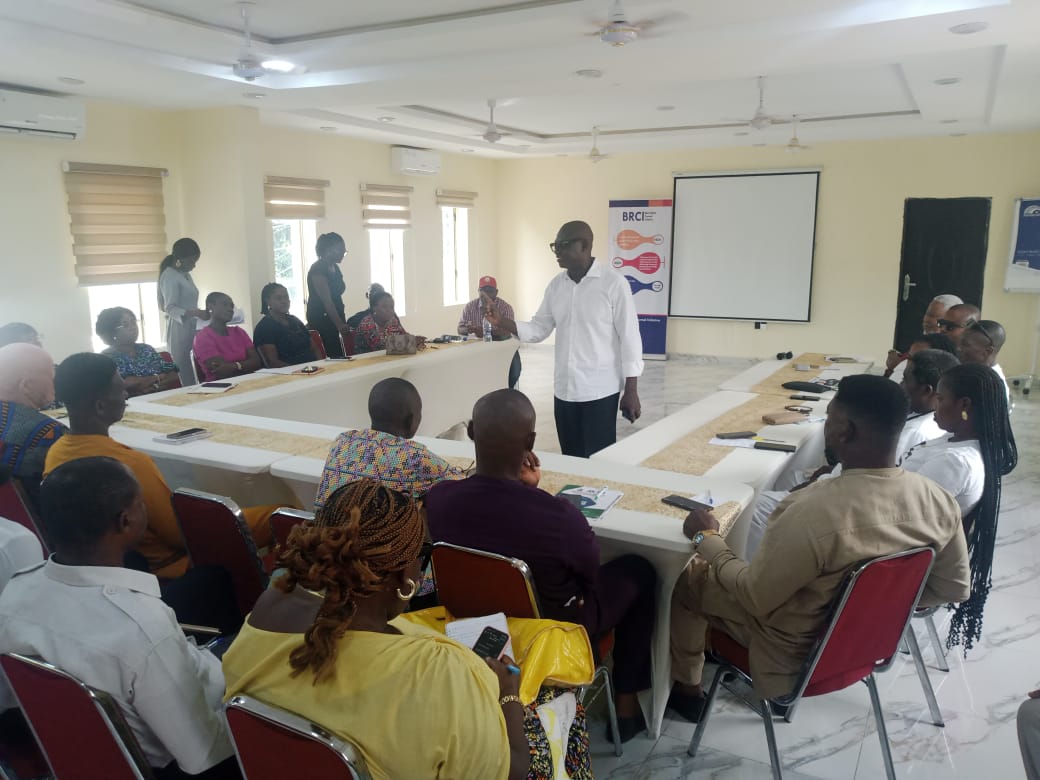
Discussions at the meeting also touched on healthcare challenges and voter education ahead of future elections, with participants encouraged to sensitize residents against vote-buying and electoral manipulation.
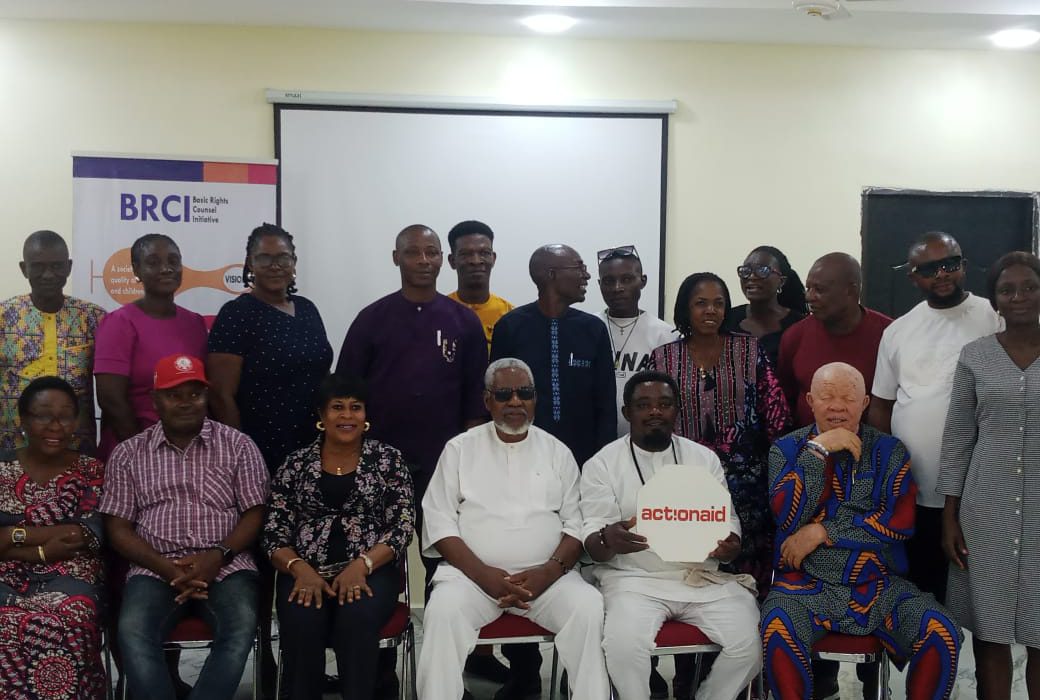
The meeting ended with the adoption of action plans by participants and a group photograph session.
Short Link:
Leave feedback about this