By Sylvia Akpan
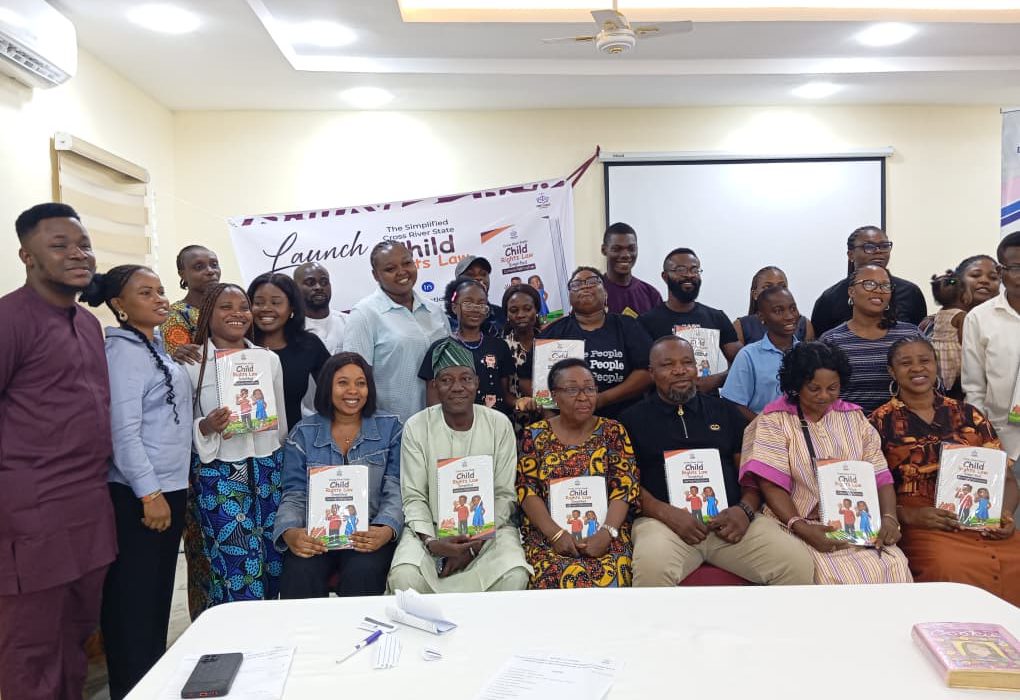
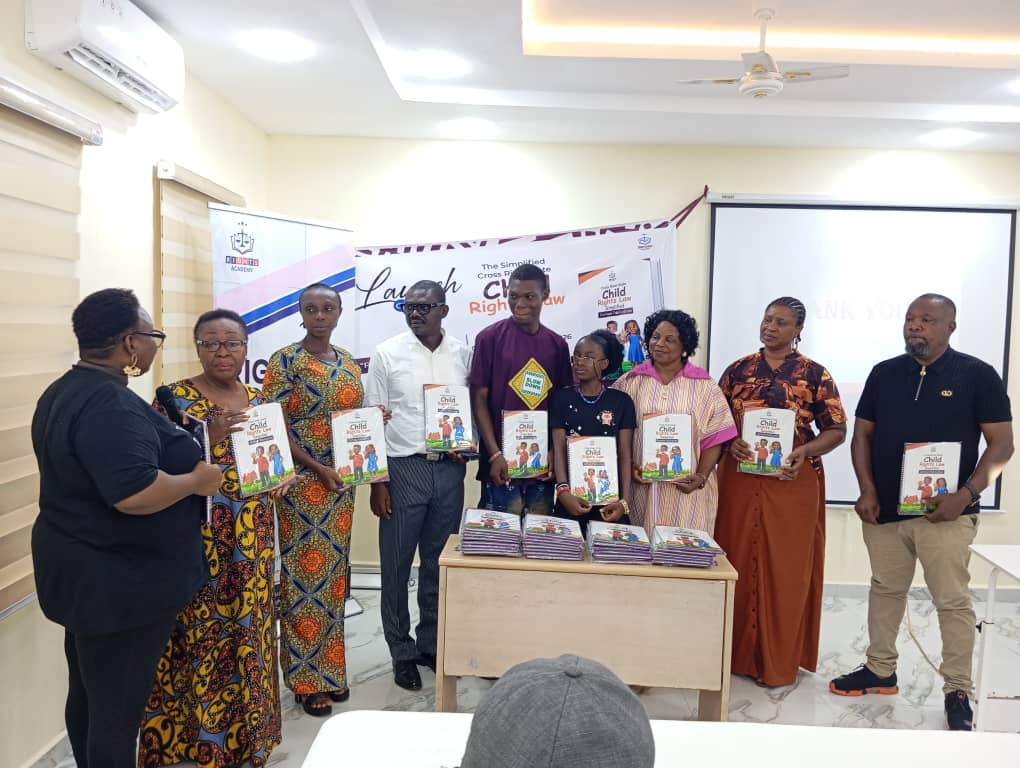
Rights Academy, We The People (WTP) have launched a simplified version of the Cross River State Child Rights Law to commemorate the International Day for Street Children.
The commemorate the day with the theme “Protect Not Punish” held on April 13th, 2026, at Prof. Bene Madunagu Hall, Basic Rights Counsel Initiative, 45A Emmanuel Edem Crescent, Calabar.
It was aimed to make the law more accessible and understandable, particularly for vulnerable children, parents, teachers, community leaders, law enforcement agencies, and other key stakeholders.
Moderated by Deborah Ekpo, the launch brought together child rights advocates, civil society organizations, educators, and community stakeholders – all united in their commitment to strengthening child protection in the state.
In her opening remarks, Comfort Umo, a volunteer with Rights Academy, welcomed participants and assured them of an impactful session geared toward improving the lives of children in street situations.
Delivering a goodwill message, the Co-founder of Basic Rights Counsel Initiative (BRCI), Barr. James Ibor, commended Rights Academy for the initiative. He described the launch as a great step and expressed pride in the organization’s growth and independence.
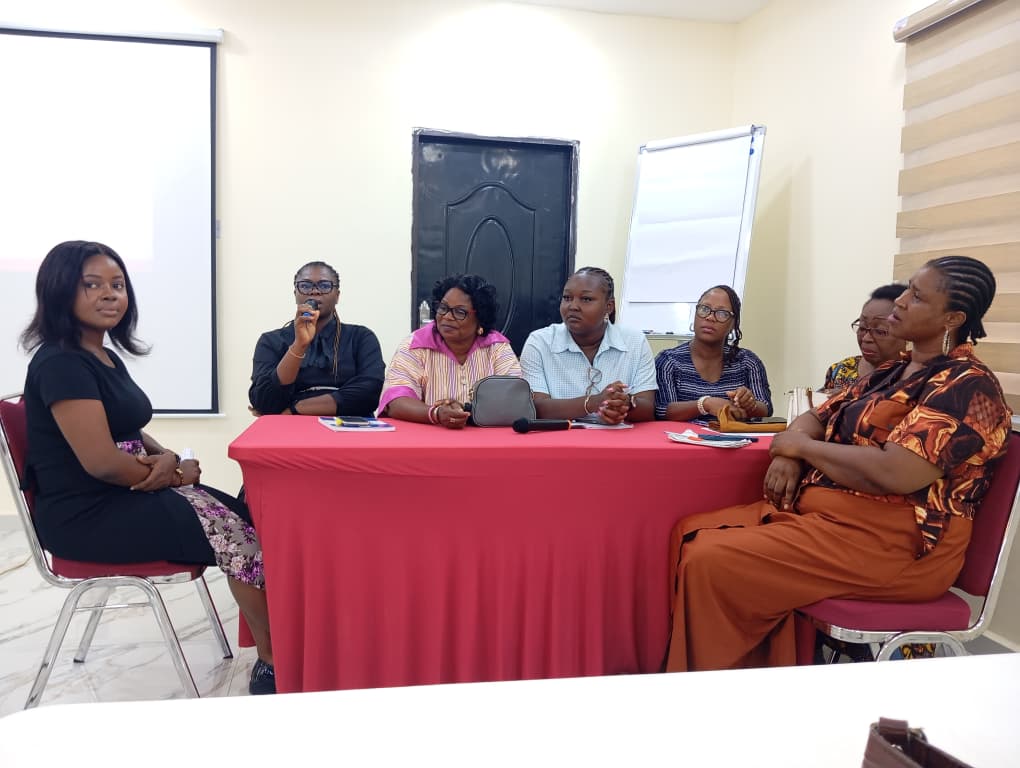
“On behalf of the trustees and management of BRCI, we thank Rights Academy. This is the first activity I am aware of that the Academy is organizing independently of We The People, and it is commendable. Just yesterday, you were born, and today you are holding events of this magnitude. Your ability to simplify the Child Rights Law 2023 and bring young people together is highly commendable,” he said.
Also speaking, the Program Manager of Onyx Community and Development Foundation, Vivian Effiom, emphasized the importance of simplifying legal frameworks.
“For too long, the legal protections intended for our children have been locked behind complex language. By simplifying this law, we are transforming a distant legal document into a living, breathing shield. This ensures that rights are not just on paper but understood by those who need them most,” she stated.
She further stressed the vulnerability and resilience of children in street situations, stressing that no child should be invisible or excluded from protection in Cross River State.
In a presentation titled “Protect Not Punish,” the Programs Coordinator of Rights Academy, Jude Edu, reaffirmed that children in street situations are first and foremost human beings with inalienable rights.
He cited the Cross River State Child Rights Law, which defines a child as any person below the age of 18, and explained that children are inherently vulnerable due to their dependence on adults and institutions for survival, protection, and development.
He noted that when these support systems fail, children are exposed to risks such as hunger, violence, exploitation, trafficking, substance abuse, and sexual and physical abuse.
Addressing the root causes of children living on the streets, he identified poverty, economic hardship, child neglect and abuse, family breakdown, displacement, insecurity, and harmful practices such as witchcraft branding. He added that weak implementation of existing laws and inadequate social welfare systems further worsen the situation.
Emphasizing the theme, Edu argued that children in street situations should be treated as victims rather than offenders.
“We must question the humanity of a society that criminalizes and harms its young,” he said, calling for strengthened child protection systems, full implementation of the Child Rights Law, rehabilitation programs, psychosocial support, family tracing and reintegration, and access to education.
He urged collective action to ensure that every child is taken off the streets and given the opportunity to thrive.
Following a documentary on children in street situations, participants engaged in a moment of reflection and discussion.
A representative of the Ministry of Women Affairs, Otu Felicia Ofem, expressed that many children return to the streets even after rehabilitation, noting that some are from neighboring states such as Ebonyi and Akwa Ibom.
In response, Comrade Ukeme Ekong, Head of Office, We The People, questioned the basis of such claims, urging the Ministry to conduct proper data collection. She emphasized that the focus should not be on assigning blame but on developing informed and effective solutions.
WTP’s Advocate, Peter Lawrence, stressed that the issue goes beyond enacting laws to ensuring their enforcement. He advocated for behavioral advocacy, comprehensive needs assessments, and a deeper understanding of the realities on the streets. He also called for accountability, including identifying and addressing harmful religious practices that contribute to child abandonment.
Representing the Muslim community, Shaaban Abdullahi suggested the importance of strengthening communication between parents and children. He urged stakeholders to collaborate with the government in finding sustainable solutions.
The key recommendations from the discussions included the establishment of a dedicated task force, provision of rehabilitation services, development of clear child rights implementation policies, expansion of skill acquisition programs, integration into basic education, and increased awareness through social media campaigns.
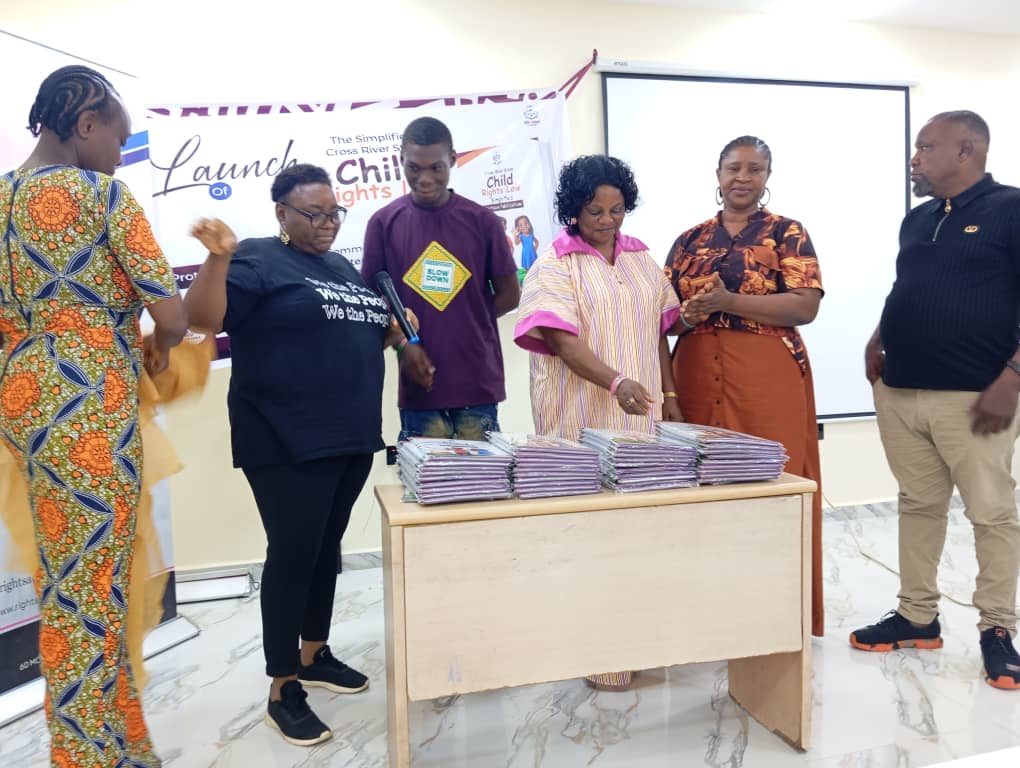
The event featured poetry presentations, panel discussions, a video documentary, and the official unveiling of the simplified Child Rights Law publication.
Short Link:
Leave feedback about this