By Sylvia Akpan And Christiana Uka
The Basic Rights Counsel Initiative (BRCI) has equipped foster parents with practical skills to build trust and provide compassionate care for children recovering from abuse, neglect, and other traumatic experiences.
The empowerment was done on Wednesday July 15, 2026, during a one-day capacity-building session of the organization’s Foster Care Quarterly Meeting in Calabar, Cross River State. It brought together foster parents, caregivers, social workers, and child protection stakeholders to strengthen their ability to meet the emotional, psychological, and developmental needs of children in foster care.
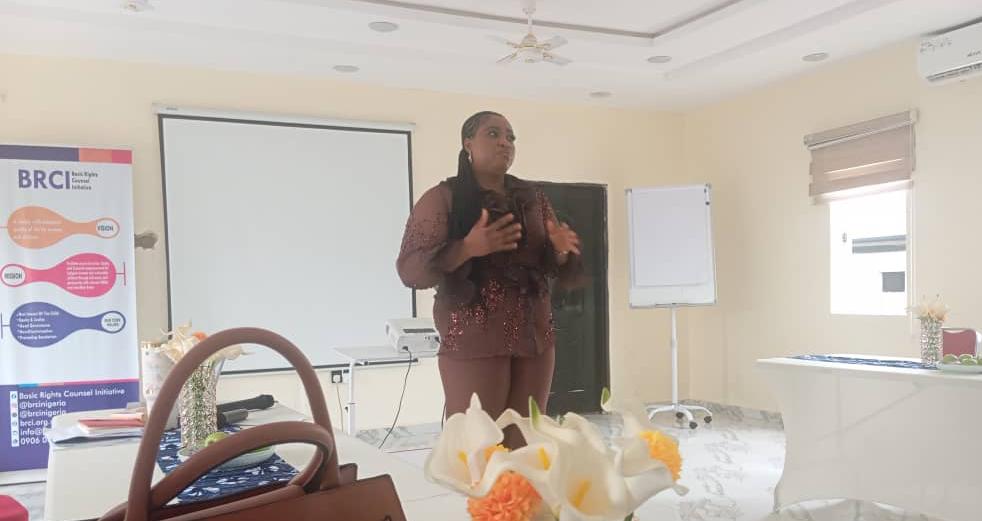
Leading the practical session on “Building Trust: Caring for Children in Foster Care,” the Executive Director and Co-founder of BRCI, Mrs. Eseoghene Ibor, guided participants through practical approaches to supporting vulnerable children who have experienced trauma.
A key feature of the meeting was an interactive case study involving an eight-year-old girl placed in foster care after enduring severe physical and emotional abuse following accusations of witchcraft by her biological father and stepmother.
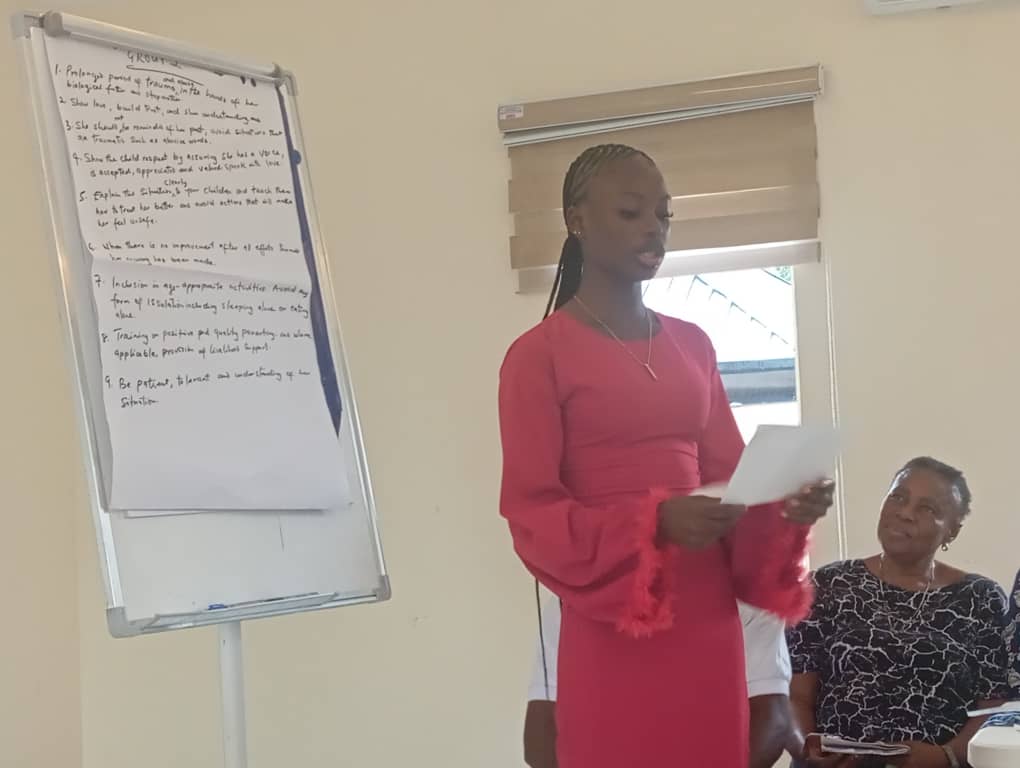
Using the case study, participants examined the emotional and behavioural effects of abuse on children and explored practical ways foster parents can help them adjust to safe, stable, and supportive family environments.
The discussions revealed that children who have experienced abuse often exhibit behaviours such as withdrawal, anxiety, nightmares, food hoarding, bedwetting, difficulty trusting adults, poor concentration, and low self-esteem.
Participants stressed that these behaviours are symptoms of trauma rather than acts of disobedience and should be met with patience, empathy, consistency, and appropriate professional support.
The session also explored appropriate responses to children’s emotional and behavioural needs, actions caregivers should avoid, strategies for building trust and a sense of safety, and the importance of maintaining close communication with social workers.
Participants were further guided on how to help foster children integrate into their new families while preparing their own children to understand and support the fostering process.
Discussions allowed foster parents to share personal experiences, ask questions, and learn practical approaches to creating stable, nurturing homes where vulnerable children can heal and thrive.
Delivering the keynote presentation on “Foster Care Law, Regulations and Guidelines on Alternative Care,” legal practitioner, Ethel Akamune, Esq., described foster care as a child protection measure that provides temporary family-based care for children who cannot remain with their biological parents.
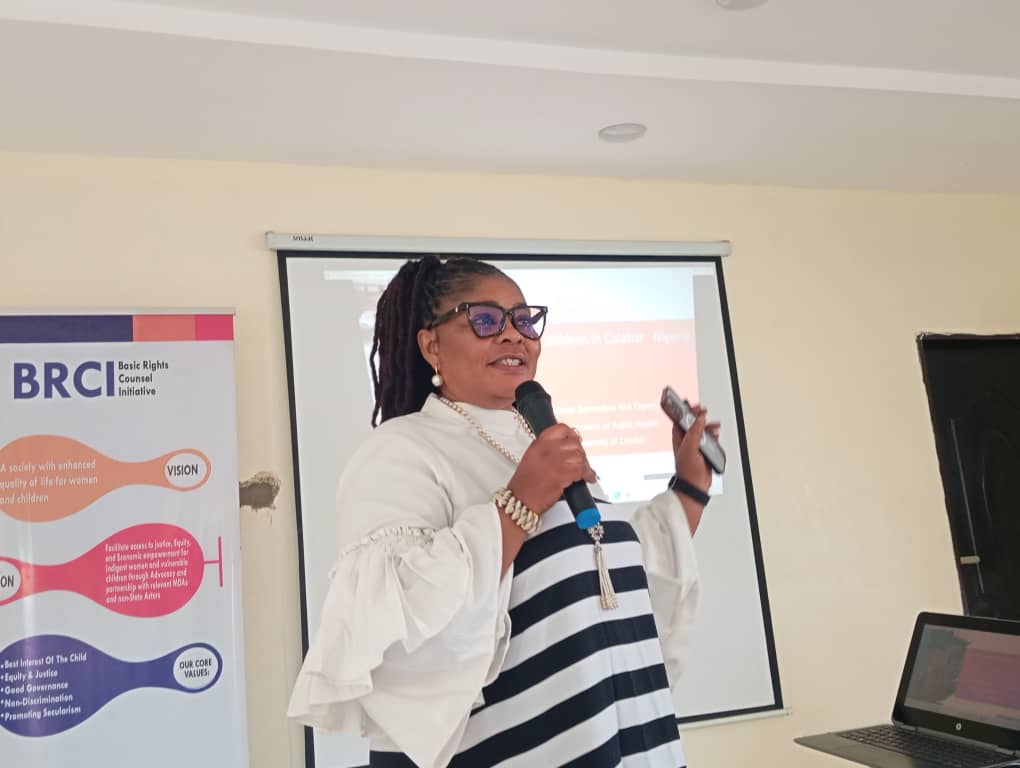
She explained that foster care may be formal or informal and is characterized by being temporary, court-supervised, child-centered, and without terminating the parental rights of biological parents.
According to her, its primary purpose is to protect vulnerable children, provide family-based care, promote their welfare and best interests, and ensure their proper maintenance, education, and emotional development.
Barr. Akamune noted that children may be placed in foster care if they are orphaned, abandoned, deserted, abused, neglected, persistently ill-treated, or face other circumstances that threaten their well-being.
She explained that before granting a fostering order, a court must be satisfied that all required consents have been obtained or lawfully dispensed with, the applicant understands the legal implications of fostering, the child will receive proper care, maintenance and education, no financial inducement has been offered for the placement, and that the order serves the child’s best interests.
She emphasized that foster care is not an act of charity but a legal child protection mechanism designed to preserve the dignity, welfare, and future of vulnerable children.
The meeting also featured a spotlight presentation by Habibat Adams on Caritas Nigeria, officially known as the Catholic Caritas Foundation of Nigeria (CCFN). She explained that the organization established in 2010 by the Catholic Bishops’ Conference of Nigeria (CBCN), promotes charity, justice, and peace by addressing the root causes of poverty while responding to humanitarian emergencies across the country.
Another presentation was delivered by Prof. Bernadine Ekpenyong on behalf of the Coalition of Youth Serving NGOs (CYSNGOs). She described street children as those living in dumpsites, slums, abandoned or uncompleted buildings, and on the streets of both urban and rural communities.
According to her, the major drivers of the street children situation include family breakdown, poverty, physical and sexual abuse, witchcraft accusations, displacement through migration, and other socio-economic challenges.
The quarterly meeting also featured group exercises, interactive question-and-answer sessions, and experience-sharing among foster parents and caregivers.
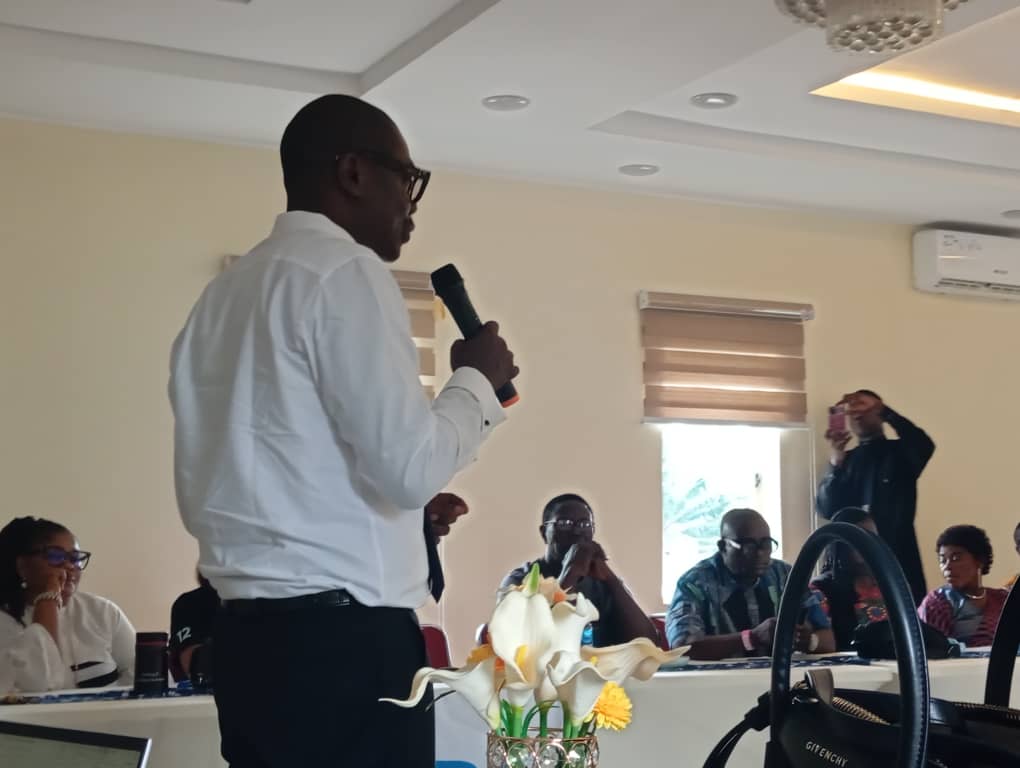
Drawing the curtain to a close, BRCI Founder, James Ibor Esq., whose birthday is today, said that many of the social problems and crimes witnessed in society could be reduced if every child was raised in a loving and stable home.
He commended foster parents for opening their homes to vulnerable children and described foster care as a vital tool for building a more peaceful and compassionate society.
Short Link:
Leave feedback about this